


ISLAMABAD: The United States has blamed the Taliban for Afghanistan’s worsening humanitarian crisis, urging the group to play a more constructive role in supporting the welfare of the Afghan people as the country grapples with mounting food shortages and aid disruptions.
In a statement to Voice of America, the US State Department said all American assistance to Afghanistan suspected of benefiting the Taliban had been suspended under directives issued by President Donald Trump. The department stressed that the Taliban must take responsibility for improving conditions for ordinary Afghans.
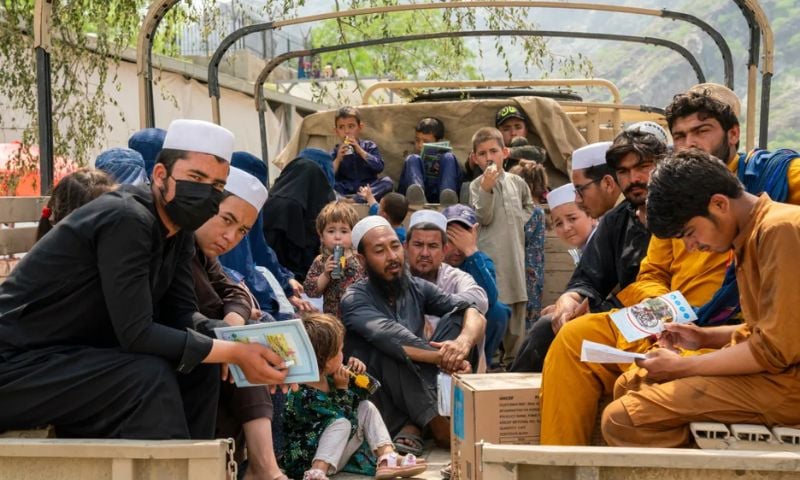
The remarks come amid growing concern from United Nations agencies over deteriorating humanitarian conditions in the country. The UN World Food Programme (WFP) recently warned that essential food supplies for malnourished mothers and children in Afghanistan have been exhausted, raising fears for millions dependent on aid.
According to the WFP, the closure of a key regional border crossing since October last year forced humanitarian agencies to reroute supplies through Iran. However, escalating tensions in the Middle East, restrictions affecting Iranian ports and disruptions to maritime transport have blocked that route as well.
Corinne Fleischer, the WFP’s Director of Supply Chain in Geneva, said around 17 million people in Afghanistan are facing acute food insecurity.
The crisis has been further compounded by trade and transit disruptions across the region. Efforts to develop alternative supply routes have also faced setbacks due to ongoing regional instability.
According to the latest UN estimates, nearly 27 million Afghans rely on international humanitarian assistance. Aid agencies warn that continued funding shortages and transport challenges could place millions of vulnerable people at even greater risk in the months ahead.