BANGKOK, Thailand: A failure by the United States and Iran to reach an agreement within weeks on a UN-backed plan to transport fertilisers through the Strait of Hormuz could trigger a food security crisis in parts of Asia and Africa, a senior UN official has warned.
United Nations Under-Secretary-General Jorge Moreira da Silva said the proposed mechanism could be activated within seven to 10 days of an agreement between Washington and Tehran, but warned that further delays could cause countries to miss the planting season.
“It’s absolutely crucial to get the deal in the next few weeks. Otherwise, we will miss the planting season,” he said on Wednesday in an interview in Bangkok on the sidelines of the annual meetings of the International Monetary Fund and the World Bank.
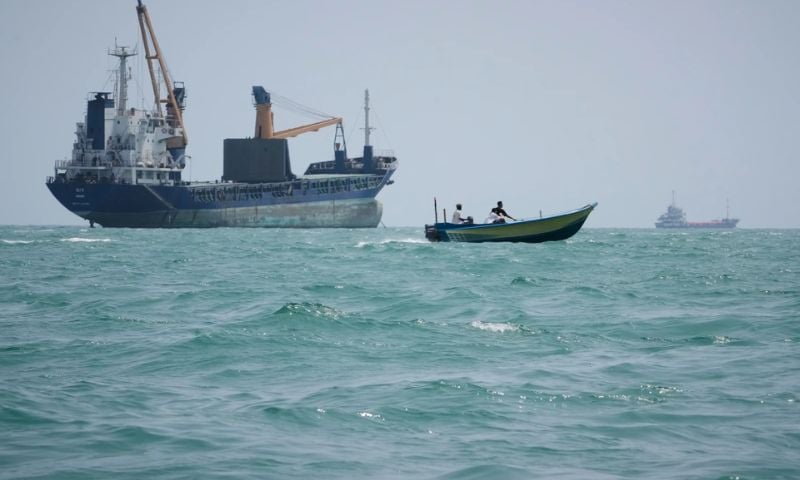
The chokepoint at the Strait of Hormuz is driving a global energy, fertilizers and food security crisis that could have dire consequences for millions of people around the world.
“It’s absolutely crucial to get the deal in the next few weeks. Otherwise, we will miss the planting season”
I sat down with @DevjyotGhoshal and Panu Wongcha-um from @Reuters to talk about the UN Task Force for the Strait of Hormuz and the stark consequences if the world fails to take action.
Read my interview 👇
https://t.co/9h2Xi6tfPJ— Jorge Moreira da Silva (@UNOPS_Chief) October 14, 2026
The United Nations established a task force in March to facilitate the passage of fertilisers through the strategic waterway. However, the mechanism has yet to be implemented.
A US State Department spokesman said the US military had assisted thousands of commercial ships in transiting the strait, adding that Washington would continue to act against Iran’s attempts to disrupt freedom of navigation.
Iran has sought to tighten its control over the Strait of Hormuz since US and Israeli strikes on February 28, using the strategic chokepoint to pressure Washington. The United States has also maintained a naval blockade of Iranian ports.
Before the conflict, the waterway handled roughly one-third of globally traded urea, the world’s most widely used fertiliser, and nearly half of seaborne sulphur, a key industrial input. It is also a vital route for global oil supplies.
Fertiliser shipments from the Gulf region have remained largely halted more than six months into the conflict, according to the Washington-based International Food Policy Research Institute. The institute said fertilisers accounted for a negligible share of the limited resumption of shipping during a ceasefire between mid-June and mid-July.
Food prices face sharp increases
An August report by the International Chamber of Commerce warned that prolonged disruption could push cereal prices up by as much as 81 per cent, oil crop prices by 66 per cent and animal product prices by 30 per cent. Moreira da Silva said missing the planting season would significantly reduce agricultural productivity and intensify pressure on food prices.
READ ALSO: UN Chief Warns Hormuz Disruption Hurting Global Economy
Under the proposed UN plan, a coordination centre in Oman would register ships and organise safe passage through the strait. UN monitors would work alongside local authorities at Gulf ports to verify cargo loading.
The passage of just five ships a day could help maintain fertiliser supplies to countries facing critical shortages, he said. Ships would be tracked during transit, with additional inspections possible if countries raised concerns about a ship or its cargo.
Wider maritime disruptions compound risks
Efforts to restore navigation through the Strait of Hormuz have stalled amid disagreements over Iran’s conditions and Washington’s insistence on addressing Tehran’s nuclear programme as part of negotiations. The two sides have exchanged proposals through intermediaries since an interim ceasefire collapsed in June.
Moreira da Silva said the proposed mechanism could operate alongside broader negotiations aimed at securing lasting peace and freedom of navigation.
Beyond Hormuz, attacks on cargo ships in the Black Sea and threats to shipping in the Red Sea, including activities by Houthi terrorists, are adding to concerns over global food security.
“What we are witnessing now is a concentration of factors,” Moreira da Silva said, citing the climate crisis and simultaneous disruptions to maritime chokepoints in the Black Sea, Red Sea and Strait of Hormuz.