


Key Points:
- Ankara held talks with Iraq’s Kurdish leadership to intervene.
- Erdoğan raised concerns in call with U.S. President Trump.
- Officials warn conflict could trigger wider ethnic regional tensions.
ISLAMABAD: Türkiye has claimed it intervened to prevent “an Israeli plan” to recruit Kurdish groups as a proxy ground force in the ongoing conflict involving Iran, amid rising regional tensions following joint US-Israeli strikes earlier this year.
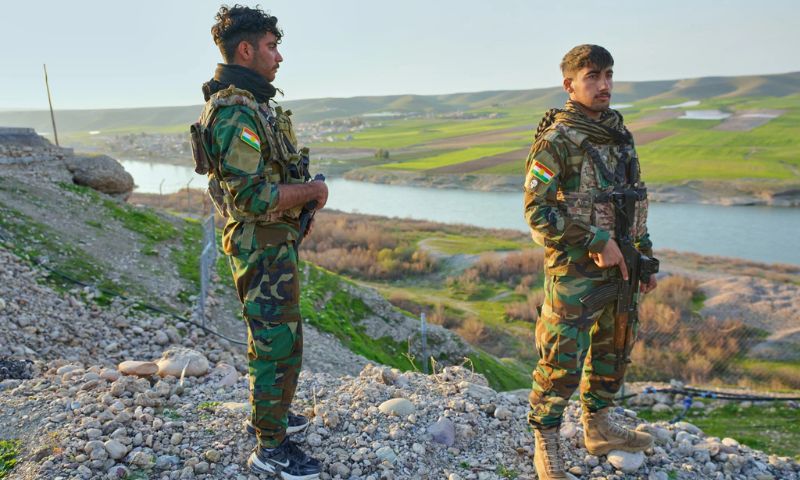
According to Turkish media reports, Israeli planners — with backing from the United States — explored the possibility of mobilising Kurdish fighters from Iraq and within Iran to support a potential land offensive after aerial strikes began in February.
The reports allege that Türkiye stepped in diplomatically and through backchannel contacts to discourage such mobilisation.
Diplomatic pressure on Kurdish leadership
Turkish officials reportedly held high-level engagements with authorities in Iraq’s Kurdistan Region, urging influential political families — including the Barzanis and Talabanis — to avoid involvement in any military campaign targeting Iran.
Ankara is said to have warned that Kurdish factions would receive no support if they joined the conflict.
These efforts, according to the reports, contributed to a scaling back of plans that allegedly aimed to recruit thousands of fighters. A smaller group of individuals had reportedly attempted to cross from Iraq into Iran, though broader mobilisation did not materialise.
Warnings to PKK and regional actors
Separately, Türkiye issued warnings to the Kurdistan Workers’ Party (PKK), which Ankara designates as a terrorist organisation, cautioning against any involvement alongside Israel.
Turkish officials signalled that any such move could trigger a military response, drawing parallels with past cross-border operations in Syria.
Abdullah Öcalan, the imprisoned PKK leader, also reportedly urged the group not to become involved in the conflict.
Erdoğan raises concerns with Trump
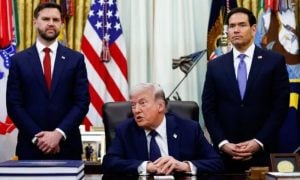
Turkish President Recep Tayyip Erdoğan discussed the issue with US President Donald Trump in a recent phone call, emphasising Ankara’s opposition to the use of non-state actors in the conflict and reiterating that Türkiye does not want to be drawn into the war.
Officials from Türkiye’s ruling Justice and Development Party (AK Party) have also warned that escalating tensions could complicate domestic security initiatives, including efforts aimed at resolving the decades-long Kurdish conflict within Türkiye.
Wider regional risks
The current crisis follows months of unrest inside Iran and escalating geopolitical rivalry in the Middle East. US and Israeli support for anti-government protests in Iran had earlier heightened tensions, culminating in direct military strikes targeting key Iranian figures and infrastructure.
Turkish intelligence chief İbrahim Kalın, speaking at a strategic communications forum in Istanbul, warned that the conflict could trigger long-term ethnic and regional divisions.
He cautioned that beyond military objectives, the war risks fuelling deeper faultlines among Turks, Kurds, Arabs and Persians — a scenario he described as more dangerous than conventional security threats.
Ankara’s position
Türkiye maintains that it seeks to prevent further escalation and avoid being drawn into a wider regional war. Officials say Ankara remains alert to developments while advocating for de-escalation and stability in a region already facing multiple overlapping crises.