ISLAMABAD: A retired Pakistani army commander has outlined what he describes as three main objectives of the Afghan Taliban towards Pakistan, arguing that Islamabad resorted to military action after political and diplomatic efforts failed to change the group’s approach.
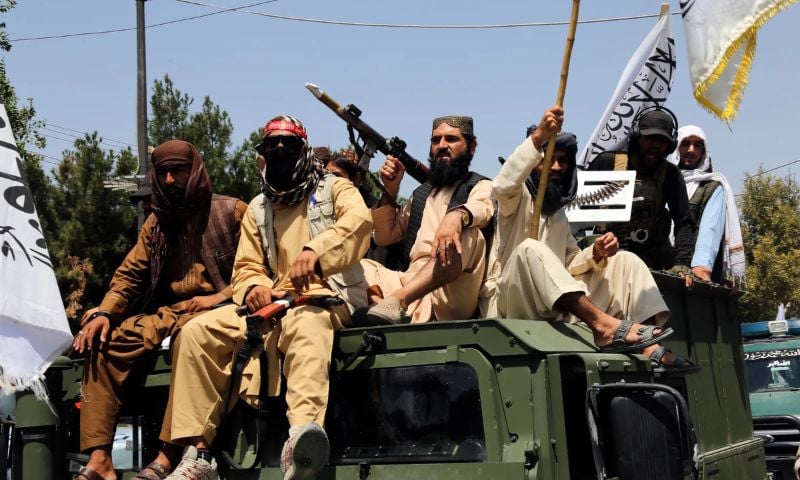
In an article published in Dawn, retired general Muhammad Saeed said the Taliban sought to alter the status quo along the Afghanistan-Pakistan border, maintain transit trade without additional restrictions imposed by Islamabad and, most importantly, see a government established in Pakistan that follows the Taliban’s interpretation of Sharia.
“Having defeated ISAF and NATO, the Afghan Taliban regime feels confident that its allies like Tehreek-i-Taliban Pakistan, Baloch Liberation Army and others can achieve similar success against Pakistan,” he wrote.
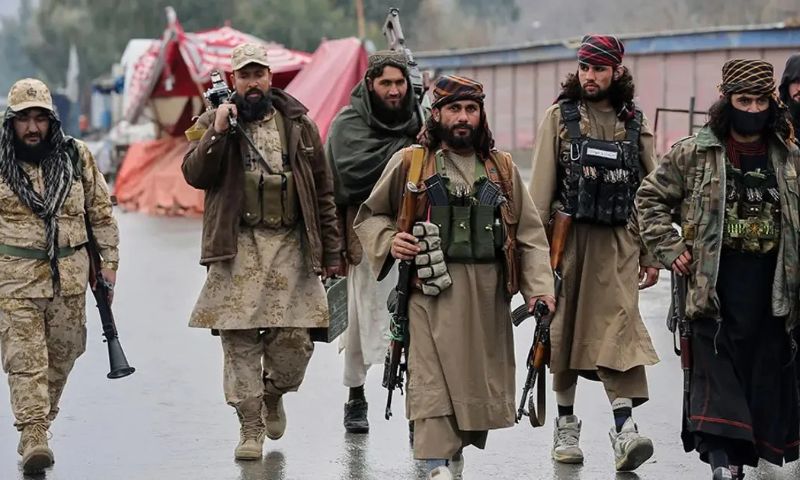
Saeed said that Pakistani intelligence agencies possessed evidence of the Taliban’s objectives and plans to support armed groups opposed to Pakistan.
He said Islamabad had pursued political, diplomatic, intelligence and military engagement with the Taliban since 2021, but said that terrorist attacks originating from Afghan territory had increased in number and intensity during that period.
The retired General also accused the Taliban of acknowledging privately that anti-Pakistan armed groups were present in Afghanistan while citing limited capacity and obligations associated with “Pakhtunwali” as reasons for not acting against them.
Pakistan’s Military Response
Saeed argued that Pakistan had turned to military operations after diplomatic engagement failed to persuade the Taliban to prevent Afghan territory from being used for attacks against Pakistan.
He described the operations as acts of self-defence against cross-border attacks, arguing that states facing persistent security threats could not indefinitely rule out the use of force.
However, he acknowledged that some political groups in Pakistan opposed military action and favoured continued engagement with Kabul.
He called for political consultation and the presentation of credible intelligence to explain the nature and scale of the security threat.
Saeed also stressed that diplomatic channels with the Taliban should remain open, allowing opportunities for direct or mediated engagement alongside Pakistan’s security measures.
Regional Implications
The retired general argued that the Taliban should recognise the differences between its victories in Afghanistan and the challenges faced by armed groups operating against Pakistan.
He said the Taliban’s returns to power in 1996 and 2021 had been facilitated by the weakness or collapse of Afghan military forces, adding that armed groups operating from Afghan territory could not necessarily replicate those outcomes against Pakistan.
Saeed concluded that Afghanistan’s future depended on whether the Taliban could move beyond its origins as an armed movement, establish responsible governance and build peaceful relations with neighbouring countries.
He warned that without a change in approach, tensions between Afghanistan and Pakistan could continue, prolonging the cycle of conflict along their shared border.