
Key Points
- Only seven ships transited the Strait of Hormuz on September 10, below the 10-day average of 15
- Traffic remains a fraction of the roughly 125 large commercial vessels daily before the war
- Kpler says crude clearance remained around 40 per cent of the 2025 average
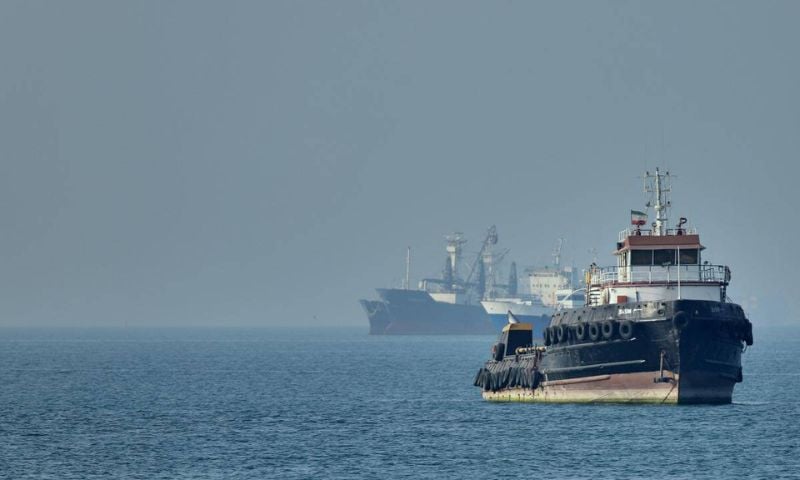
ISLAMABAD: Shipping traffic through the Strait of Hormuz fell to single digits on Thursday, reflecting the continuing disruption to one of the world’s most important energy routes and keeping the risk premium in global oil markets elevated.
Preliminary data from energy and commodities intelligence firm Kpler showed only seven ships transited the strait on September 10, down from 11 a day earlier and well below the 10-day average of 15.
Five vessels entered the waterway while only two exited, according to the tracking data.
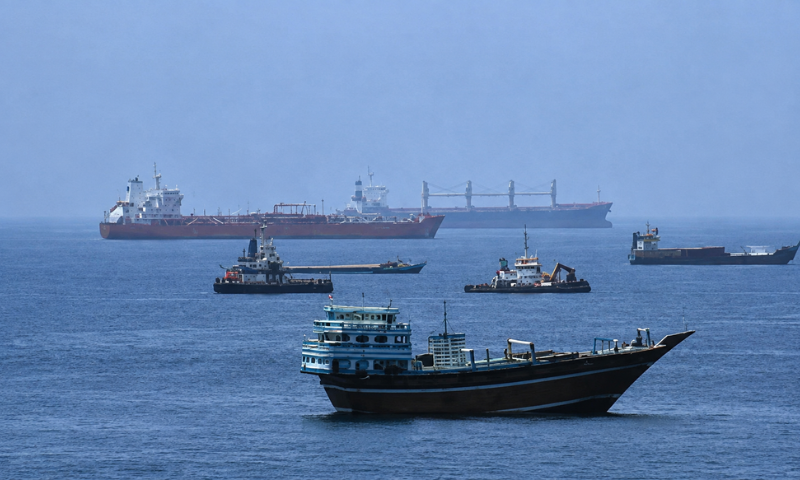
The latest figures cover vessels visible through tracking systems and may understate actual movements because some ships can switch off their Automatic Identification System (AIS) transponders.
Kpler‘s analysis has separately documented a growing share of cargo movements that cannot be attributed to openly tracked crossings.
The scale of the disruption becomes clearer against normal traffic. About 125 large commercial vessels, including oil tankers and gas carriers, passed through the Strait of Hormuz each day before the conflict, carrying a substantial share of globally traded oil and liquefied natural gas.
The IRGC has released footage of its forces attacking an American Saildrone USV in/near the Strait of Hormuz today.
The unmanned Saildrone can be seen burning. pic.twitter.com/hALY030MOe
— OSINTtechnical (@Osinttechnical) September 10, 2026
Long-term view of Hormuz shipping
Kpler’s longer-term assessment shows that the partial reopening during the June US-Iran memorandum did not restore normal flows.
The company estimated that about 374 million barrels of crude cleared the Middle East Gulf during the 60 days, equivalent to roughly 6.1 million barrels per day, or about 40 per cent of the approximately 15 million barrels per day that transited Hormuz in 2025.
Kpler also reported that the system remained vulnerable even after the backlog of stranded vessels was reduced.
Crude and condensate clearance in the final week of the June-August arrangement was around 2.3 million barrels per day against loadings of about 4.9 million barrels per day, pointing to renewed accumulation inside the Gulf.
READ ALSO: Hormuz Shipping Remains Disrupted As US-Iran Talks Stall
The disruption extends beyond crude oil. Kpler has warned that restricted Gulf transits are keeping a risk premium in LNG markets, particularly in Asia.
Major Asian buyers depend heavily on supplies from Qatar and other Gulf producers. Qatar’s Ras Laffan facility has also experienced reduced loading activity during the disruption.
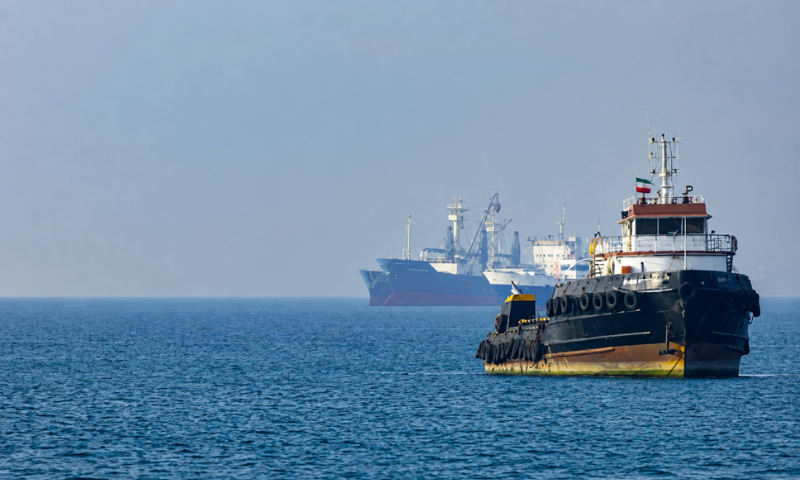
The International Maritime Organisation, the United Nations agency responsible for shipping safety and security, has meanwhile continued to call for the restoration of freedom of navigation and condemned attacks on commercial vessels in and around the Strait of Hormuz.
Implications are substantial
The US Energy Information Administration has previously estimated that disruptions to Hormuz can force Gulf producers to shut in millions of barrels of daily production because alternative export routes cannot fully replace the waterway.
Some shipments are nevertheless getting through. QatarEnergy-linked LNG vessels have resumed limited movements, including a tanker that recently delivered LNG to Pakistan after transiting Hormuz, demonstrating that the waterway is constrained rather than completely impassable.
Developments around the Bab el-Mandeb Strait are compounding the pressure on energy markets, another major shipping chokepoint linking the Red Sea with the Gulf of Aden.
Kpler data showed 26 commodity vessels using that route on September 10, much closer to its 10-day average of 27, but renewed attacks and threats in Yemen have raised concerns about another disruption to global energy and merchandise trade.
Oil prices have remained well above $100 a barrel amid the combined supply risks.
The latest shipping data therefore points to a physical supply constraint rather than merely a geopolitical risk.
With visible Hormuz traffic still running at a small fraction of normal levels, Gulf producers’ ability to move crude and LNG to international markets remains a critical factor for prices in the weeks ahead.