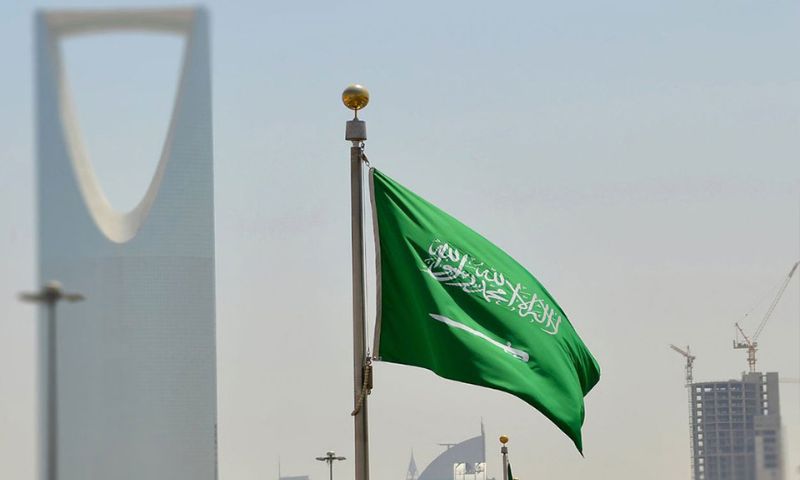



RIYADH: Saudi Arabia has appreciated US President Donald Trump’s decision to prioritise diplomacy in efforts to reach an agreement aimed at ending the conflict with Iran and easing regional tensions.
“The Kingdom of Saudi Arabia highly appreciates the US President Donald Trump’s decision to give diplomacy a chance to reach an acceptable agreement to end the war, restore the security and freedom of maritime navigation in the Strait of Hormuz to its state prior to February 28th, 2026, and address all points of contention in a way that serves the security and stability of the region,” Foreign Minister Prince Faisal bin Farhan said in a statement posted on X on Wednesday.
The Kingdom of Saudi Arabia highly appreciates the US President Donald Trump’s decision to give diplomacy a chance to reach an acceptable agreement to end the war, restore the security and freedom of maritime navigation in the Strait of Hormuz to its state prior to February 28th,…
— فيصل بن فرحان (@FaisalbinFarhan) May 20, 2026
He also praised the ongoing mediation efforts carried out by Pakistan in this regard.
“Saudi Arabia looks forward to Iran siezing the opportunity to avoid the dangerous implications of escalation, and urgently responding to the efforts to advance the negotiations leading up to a comprehensive agreement to achieve lasting peace in the region and the world,” it said.
Trump delays Iran attack
US President Donald Trump said on Tuesday he would allow a “limited period of time” for negotiations with Iran to continue, saying Gulf leaders had informed him that progress was being made in Pakistan-brokered talks aimed at securing a peace agreement between Washington and Tehran.
Speaking to reporters at the White House, Trump said he had postponed a planned military attack on Iran and would allow negotiations to continue for “two or three days, maybe Friday, Saturday, Sunday, something, maybe early next week”.
Trump said several Gulf states had conveyed optimism regarding Pakistan-led diplomatic efforts to end the conflict between the United States and Iran.
“I was an hour away from making the decision to go today,” Trump told reporters during a visit to the White House ballroom construction site.
Trump said Gulf leaders had urged him not to proceed with the planned strike because negotiations were making progress towards a peace deal.
Lot of progress made
US Vice President JD Vance had said that “a lot of progress” has been made in Pakistan-mediated negotiations with Iran, adding that Washington believes Tehran really wants to make a deal.
Speaking to reporters at the White House press briefing, Vance said the Trump administration was engaging in talks “in good faith” and believed Iran was also interested in reaching an agreement.
“The president has asked us to negotiate in good faith, and that’s exactly what we’ve done,” Vance said.
He added that while diplomacy was advancing, Washington retained an “option B” of military operations if a deal could not be reached.
Vance said the United States sees an opportunity to “reset” relations with Iran after decades of tensions, but stressed that any agreement must block Tehran from acquiring nuclear weapons.
Pakistan continues mediation efforts
Pakistan, as mediator, has continued diplomatic engagement with both Washington and Tehran in an effort to secure a permanent settlement to the conflict through dialogue and diplomacy.
Pakistan brokered the ceasefire on April 8 after weeks of escalating hostilities involving Iran, the United States and Israel.
Three days later, Islamabad hosted direct negotiations between American and Iranian negotiators on April 11 and 12.
Although the talks ended without a final agreement, however, the Islamabad Talks paved the way for further negotiations to permanently end the conflict.
US Vice President JD Vance led the American delegation during the Islamabad talks, while the Iranian delegation was led by Parliament Speaker Mohammad Bagher Ghalibaf.
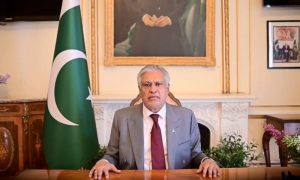
Pakistan’s Deputy Prime Minister and Foreign Minister Ishaq Dar has repeatedly reaffirmed Islamabad’s commitment to “proactive diplomacy and sustained regional engagement”.