RIYADH: Saudi Arabia’s Cabinet on Tuesday reaffirmed that the Kingdom would not tolerate any threats to its security, national interests or critical infrastructure, strongly condemning attacks by Iran-backed militias in Yemen and Iraq targeting oil facilities in Riyadh and the Eastern Province, as well as commercial vessels in the Red Sea.
The Cabinet said the Kingdom reserved the right to respond firmly to any hostile actions in line with international humanitarian law, customary international law and the principle of proportionality, the Saudi Press Agency (SPA) reported on Tuesday.
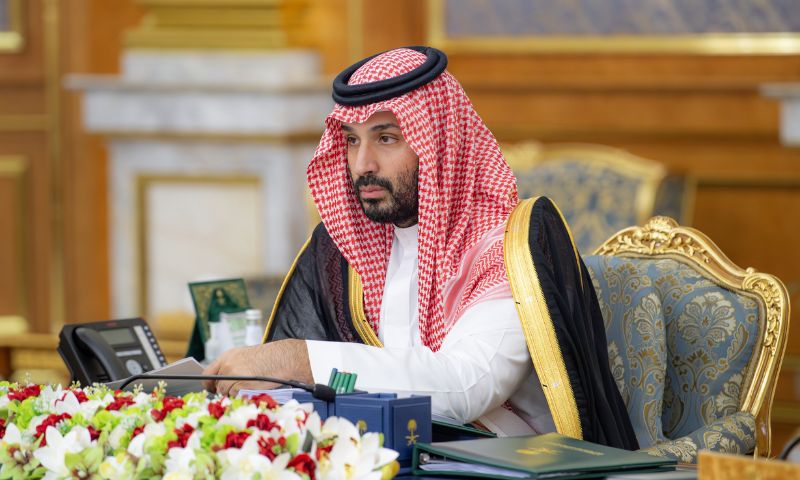
Saudi Arabia’s Crown Prince and Prime Minister Prince Mohammed bin Salman chaired the Cabinet session in Jeddah.
Urges Iraq to prevent its territory from being used for attacks
It called on the Iraqi government to take all necessary measures to prevent its territory from being used as a launchpad for aggression, while expressing appreciation for the positions of countries worldwide and international organisations that condemned the criminal attacks, which the Saudi air defences intercepted with full efficiency and capability.
سمو #ولي_العهد يرأس جلسة #مجلس_الوزراء.https://t.co/m8XobAXOZ1#واس pic.twitter.com/i8Hc63AZXw
— واس الأخبار الملكية (@spagov) July 28, 2026
Crown Prince briefed the Cabinet on the contents of the phone calls he held with Amir of Kuwait Sheikh Mishal Al-Ahmad Al-Jaber Al-Sabah, Prime Minister of Pakistan Muhammad Shehbaz Sharif, and UK Prime Minister Andy Burnham, during which they addressed the latest regional developments and ongoing efforts to enhance regional security and stability.
In a statement issued to the Saudi Press Agency after the Cabinet session, Minister of Education and Acting Minister of Media Yousef Al-Benyan said the Cabinet reviewed the Kingdom’s diplomatic efforts with friendly countries aimed at easing regional tensions, promoting dialogue and consultation, and enhancing security and stability.
Cabinet support initiatives to strengthen regional and international peace
The minister said the Cabinet discussed Saudi Arabia’s efforts to safeguard the security of vital maritime routes in the Arabian Gulf and the Red Sea, while supporting initiatives to strengthen regional and international peace.
The Cabinet reaffirmed the Kingdom’s commitment to dialogue, diplomacy and collective international action, particularly during a critical period for the region. It stressed the importance of establishing a regional framework based on the principles of the United Nations Charter, including respect for state sovereignty, non-interference in internal affairs, good neighbourly relations, freedom of navigation and adherence to international law.
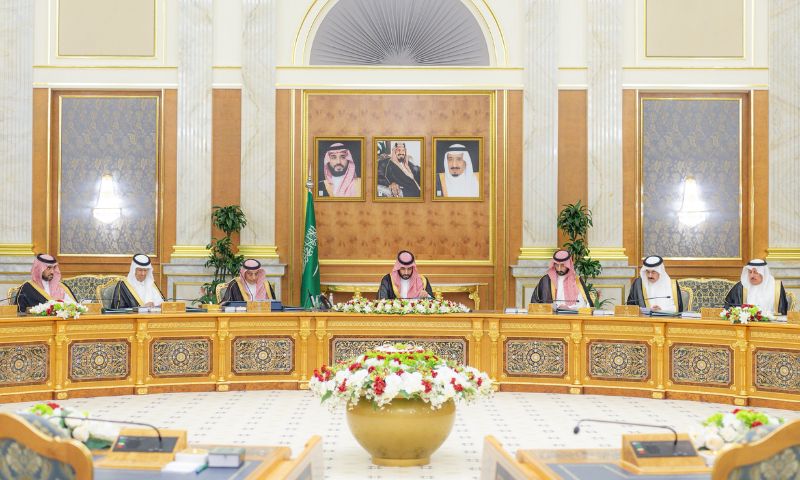
On domestic matters, the Cabinet reviewed developments related to government performance, institutional efficiency and efforts to enhance services provided to citizens. It also approved a number of laws and decisions aligned with the Kingdom’s development goals.
Among these measures was the enactment of the General Education Law, which the Cabinet said would represent a significant step in advancing the education sector’s governance and development. The law aims to improve the quality of education, strengthen institutional capabilities, enhance learning outcomes and regulate the contributions of the private and non-profit sectors in line with the objectives of Saudi Vision 2030.
Pakistan strongly condemns drone attacks against Saudi Arabia
It is pertinent to mention that Pakistan on Monday strongly condemned the drone attacks carried out against Saudi Arabia, adding that such attacks pose a grave threat to the peace and stability of the entire region.
Also Read: Pakistan Strongly Condemns Drone Attacks Against Saudi Arabia
The Foreign Ministry, in a statement, reaffirmed Pakistan’s solidarity with the kingdom.
The Foreign Ministry reiterated Islamabad’s strong and unwavering support for the Kingdom’s sovereignty, territorial integrity, and peace and prosperity.
“Pakistan has taken, and will continue to take, all possible steps to support efforts aimed at achieving lasting peace, security and stability in the region,” it said.