Key Points
- Saudi Arabia has restarted its East-West oil pipeline after a shutdown caused by a drone attack.
- The pipeline can move up to 7 million barrels of crude a day when fully operational.
- Saudi Arabia is preparing to resume crude exports from Yanbu on the Red Sea.
ISLAMABAD: Saudi Arabia has restarted its strategically important East-West oil pipeline after a drone-attack-caused shutdown, paving the way for renewed crude exports from the Red Sea port of Yanbu, according to media sources.
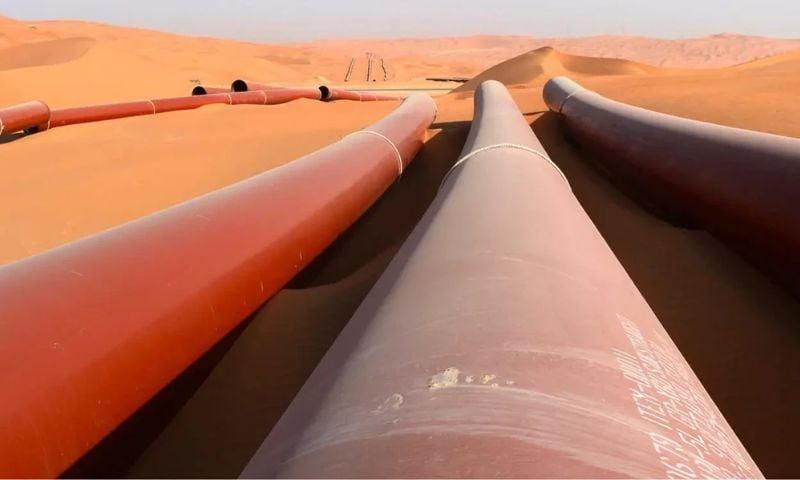
The pipeline carries crude from Saudi oil fields in the kingdom’s east to Yanbu on the Red Sea coast. It provides an alternative export route that can reduce reliance on the Strait of Hormuz, a key global oil shipping chokepoint.
The pipeline had been shut after a September 11 drone attack that damaged three pumping stations.
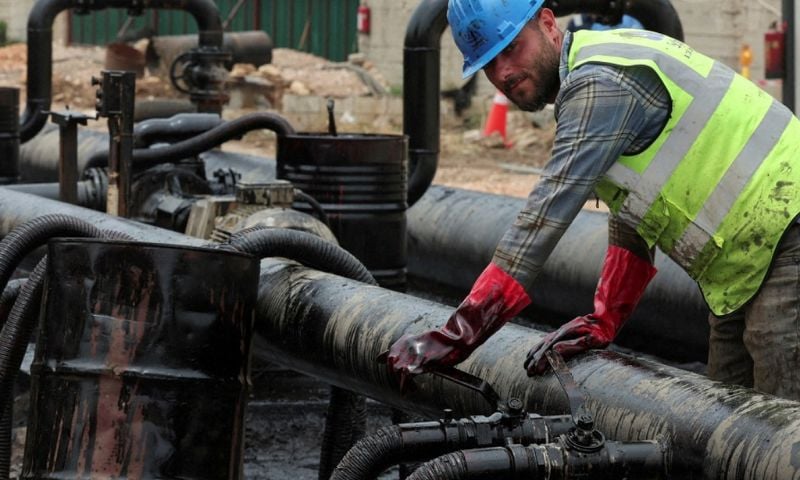
Operations have now resumed at a reduced rate, while repairs continue to restore the system towards its full capacity of about 7 million barrels per day, Reuters reported.
Saudi Aramco is also preparing to resume crude shipments from Yanbu. At least one cargo bound for China is expected to load from the port, according to sources.
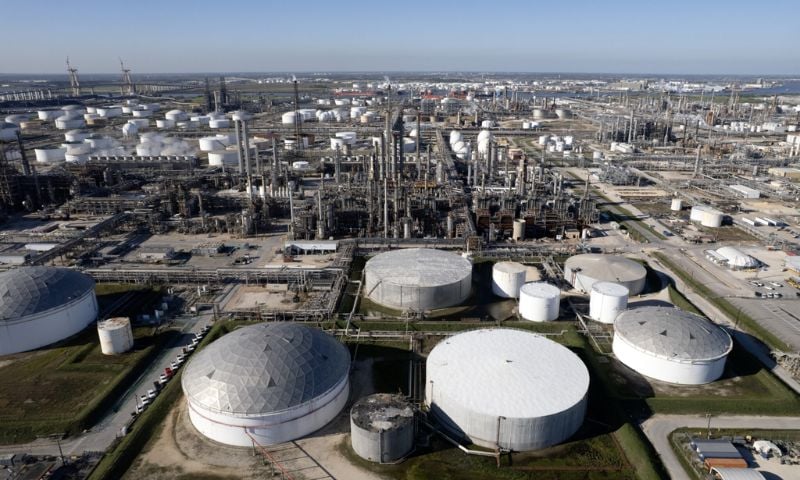
The restart coincides with oil markets remaining highly sensitive to disruptions in Middle Eastern supply routes.
Brent crude fell sharply on Tuesday after news of the pipeline restart, with additional pressure coming from expectations of increased regional supplies and possible diplomatic progress between the United States and Iran.
East-West oil pipeline
The East-West pipeline is particularly important during periods of disruption around the Strait of Hormuz because Yanbu gives Saudi Arabia access to the Red Sea and shipping routes towards the Suez Canal and other international markets.
However, the restart does not immediately restore the pipeline to full capacity. According to reports, bringing the system back to its maximum rate could take six to eight weeks to repair damage to pumping infrastructure.
READ ALSO: Saudi King Salman Condemns Houthi Militia’s Repeated Attempts to Target Makkah
The development therefore provides some additional supply flexibility rather than removing the overall risks facing global oil markets.
The extent of respite will depend on how quickly Saudi Arabia restores pipeline capacity and resumes regular shipments from Yanbu.
For Asian buyers, the restart could provide another source of crude outside the Strait of Hormuz, particularly if Yanbu shipments increase in the coming weeks. China is already expected to receive one of the first cargoes following the restart.
The development also highlights the strategic importance of Saudi Arabia’s west coast oil infrastructure as regional tensions continue to disrupt conventional energy routes.