Key Points
- Storage fee waivers extended to 20 days for export and import containers
- Measure aims to facilitate trade movement and improve supply chain efficiency
- Incentives designed to support exporters and attract shipping lines
- Policy reflects broader strategy to strengthen logistics sector
ISLAMABAD: Saudi Arabia has extended fee waivers on container storage at its ports, highlighting the move as part of a broader effort to facilitate trade flows and support export operations.
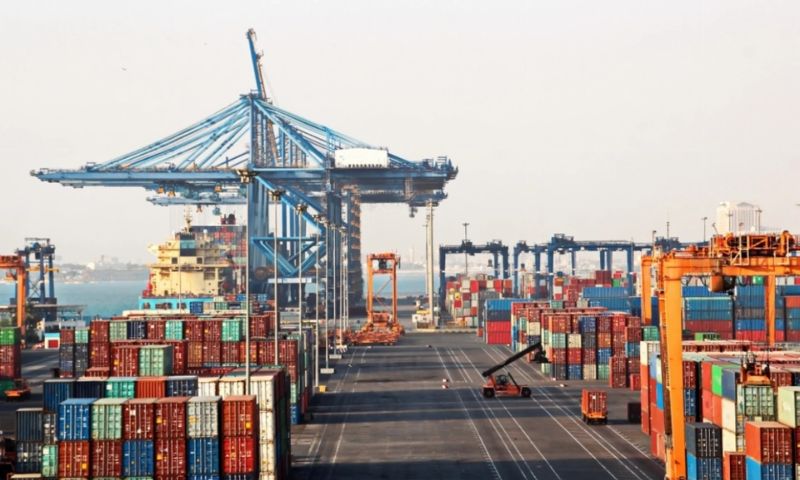
In a post on its official X account, the Saudi Ports Authority, also known as Mawani, said it was extending the exemption period to 20 days. The storage fees on loaded export containers and empty inbound containers at King Fahd Industrial Port in Yanbu would be charged after 20 days of waiver.
According to the X post by Mawani’s spokesperson, the waiver extension reflects the port authority’s direction toward facilitating trade movement, enhancing support for export operations, and incentivising shipping lines to ensure smoother supply chains.
The authority said the initiative is aimed at improving operational efficiency at ports and providing greater flexibility for exporters dealing with logistical challenges amid evolving regional dynamics.
The extended waiver applies to key categories of containers, allowing exporters more time to manage shipments without incurring additional storage costs.
The measure is also expected to encourage shipping lines to reposition empty containers into the Kingdom, easing shortages and improving cargo flows.
Saudi officials say the policy aligns with ongoing efforts to strengthen the Kingdom’s position as a regional logistics hub.
In the wake of disturbances in the Middle East, the Saudi authorities continue to roll out incentives and expand port capacity to handle growing trade volumes.
The move comes as supply chains across the region face pressure from geopolitical tensions triggered by the Iran war.
The war between Iran and the US-Israel alliance, by now in its fifth week, has disrupted key maritime routes, prompting governments to adopt measures aimed at maintaining stability in trade and shipping operations.