


MOSCOW: Russia has strongly condemned Wednesday’s Israeli strikes on Lebanon and demanded that the Pakistan-brokered US-Iran ceasefire must include Lebanon, warning the Israeli actions could derail ongoing negotiations and risk escalating regional hostilities.
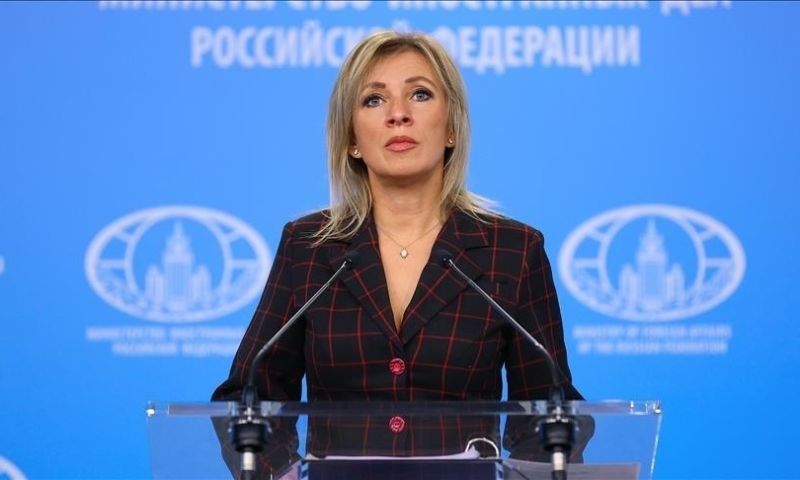
Russian ministry spokeswoman Maria Zakharova said that such aggressive action “threatens to derail the negotiation process that was beginning to take shape” and risks an escalation of hostilities in the region.
This comes after Iran has said that Lebanon will have to be an “inseparable part” of any ceasefire deal, after Israeli bombardment in the country killed over 250 people.
On Wednesday, Pakistan’s Prime Minister Shehbaz Sharif announced that the United States, its allies, and Iran have agreed to a two-week ceasefire in the Middle East conflict. He said that the ceasefire also includes Lebanon.
Pakistan on Thursday strongly condemned Israeli air strikes on Lebanon, warning that the escalation risks derailing international efforts aimed at restoring stability in the Middle East.
In a statement, the Foreign Office said Islamabad “condemns in the strongest terms” the continued Israeli attacks, which it noted have resulted in significant civilian casualties and widespread destruction of infrastructure.
Pakistan emphasised that Israeli actions undermine broader diplomatic initiatives to secure peace in the region. It described the strikes as a “blatant violation of international law and fundamental humanitarian principles”.
Pakistan set to host US-Iran talks
Pakistan is set to host high-stakes negotiations between the United States and Iran this weekend, as a two-week ceasefire — brokered through Islamabad’s intensive diplomatic efforts — entered its second day on Thursday.
Delegations are expected to arrive in Islamabad on Friday, with formal negotiations scheduled for Saturday.
On Wednesday, Pakistan’s Prime Minister Shehbaz Sharif confirmed that delegations from Washington and Tehran will arrive in Islamabad following the breakthrough ceasefire, which he described as a result of sustained engagement by Pakistan’s civil and military leadership.
PM Sharif said the aim is to “further negotiate for a conclusive agreement to settle all disputes”.
The United States delegation will be led by Vice President JD Vance, underscoring the significance Washington attaches to the Islamabad talks.
According to White House Press Secretary Karoline Leavitt, the delegation will also include Special Envoy for the Middle East Steve Witkoff and senior adviser Jared Kushner.
“The first round of those talks will take place on Saturday morning local time, and we look forward to those in-person meetings,” Leavitt said during a press briefing.
She emphasised Vance’s central role in the diplomatic process. “Vice President Vance has played a very significant and key role in this since the very beginning… he’s been involved in all of these discussions and will be leading this new phase of negotiations in Islamabad.”
Iran is expected to be represented by Parliament Speaker Mohammad Bagher Ghalibaf and Foreign Minister Abbas Araghchi, signalling Tehran’s serious engagement in what is being seen as a decisive diplomatic opening.