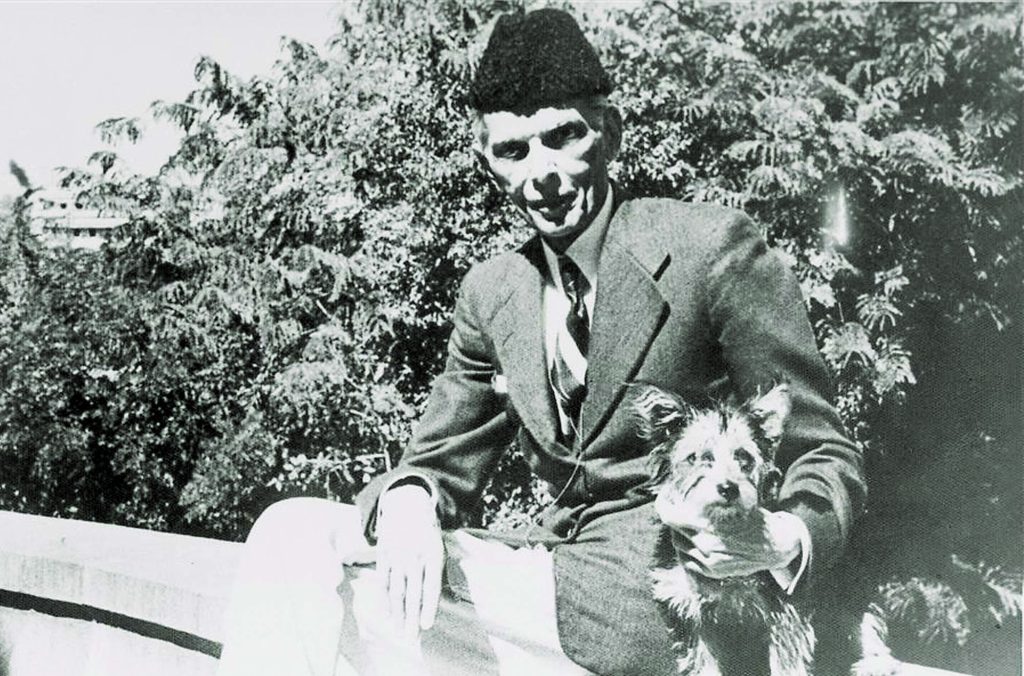
ISLAMABAD: A rare collection of photographs documenting the life, leadership and official engagements of Pakistan’s founder, Quaid-e-Azam Muhammad Ali Jinnah, is on display at the National Art Gallery in Islamabad.
Federal Minister for National Heritage and Culture Aurangzeb Khan Khichi inaugurated the exhibition on Thursday, which presents photographs taken by Ziauddin Barni, who served as the Quaid-e-Azam’s official photographer during the formative years of Pakistan.
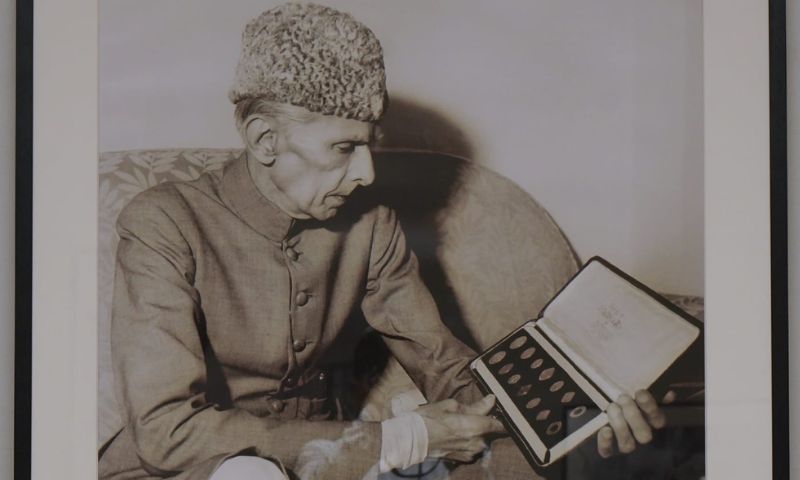
Titled “Quaid-e-Azam: The First Governor-General of Pakistan 1947–1948”, the exhibition is being held at the National Art Gallery as part of commemorative activities marking Pakistan’s 79th Independence Day.
The National Art Gallery in Islamabad is Pakistan’s first art gallery. Managed by the Pakistan National Council of the Arts (PNCA), it houses 14 exhibition halls, permanent collections featuring works by renowned artists such as Sadequain, and a 450-seat auditorium.
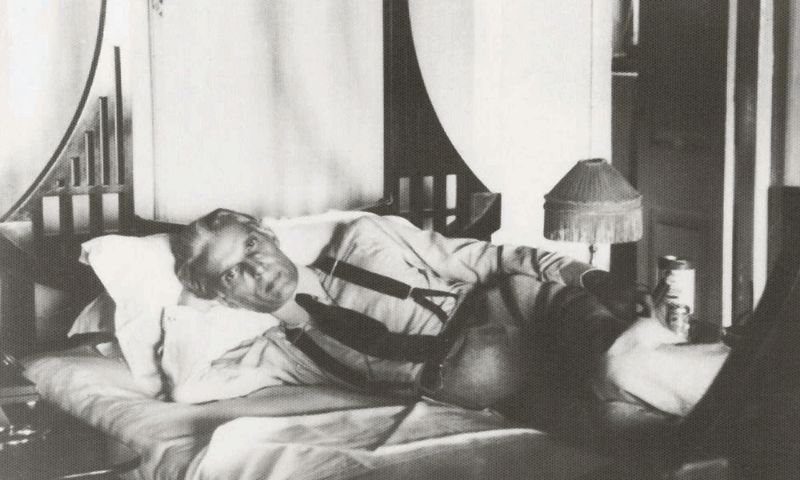
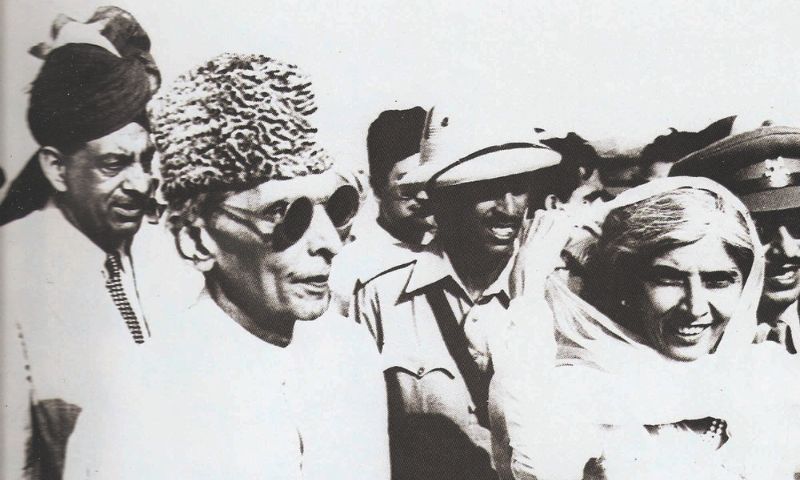
The exhibition provides a visual account of the early years of the country through photographs captured by Barni, who accompanied Quaid-e-Azam on numerous official engagements and recorded significant moments during his tenure as Pakistan’s first Governor-General.
READ ALSO: Quaid-e-Azam Muhammad Ali Jinnah’s Sculpture Unveiled in Beijing
The collection offers a glimpse into both the public and personal dimensions of the country’s founder, featuring images of his official duties, interactions, public appearances and moments of reflection at a crucial stage in Pakistan’s history.
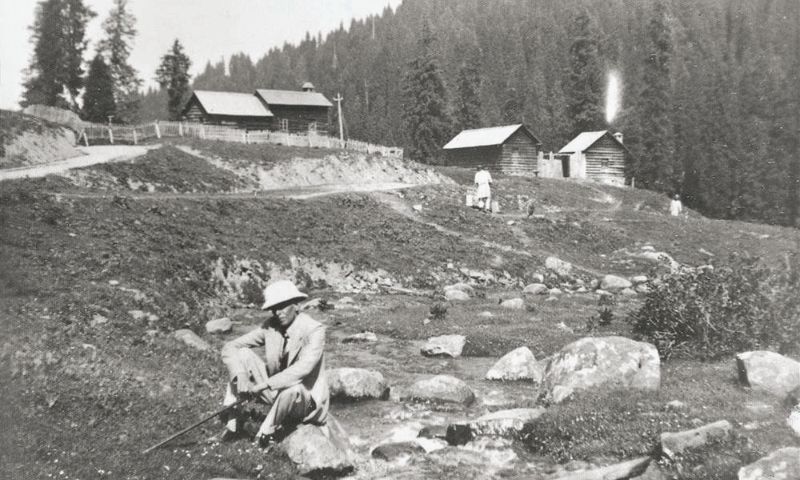
Among the most significant photographs are those documenting Quaid-e-Azam’s final days and the funeral ceremonies held following his death in September 1948. The images provide a rare visual record of the period surrounding the death of one of the principal figures in the creation of Pakistan.
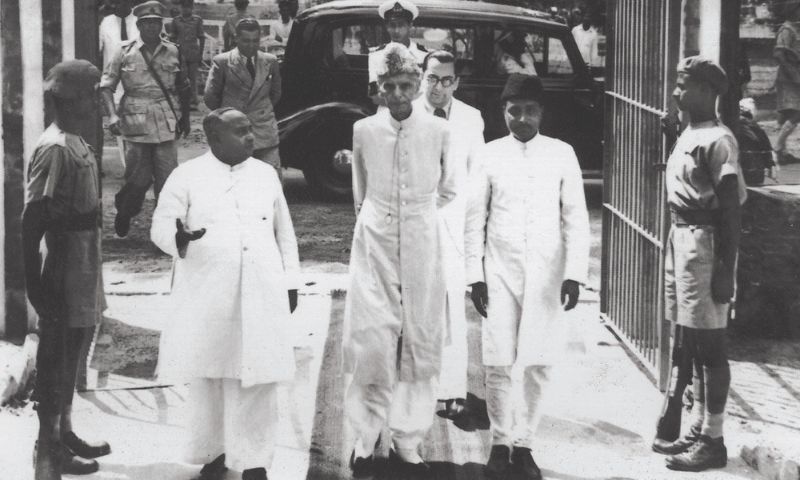
The exhibition was initially presented in 2023 at the Mohatta Palace Museum in Karachi in collaboration. By bringing together photographs from the country’s formative period, the exhibition highlights the historical importance of preserving visual records of Pakistan’s early leadership and offers visitors an opportunity to view rarely seen images of Quaid-e-Azam.