GENEVA: The contest for the 10th Secretary-General of the United Nations is gathering pace, with several high-profile candidates entering the race to lead the global body for a five-year term beginning January 1, 2027.
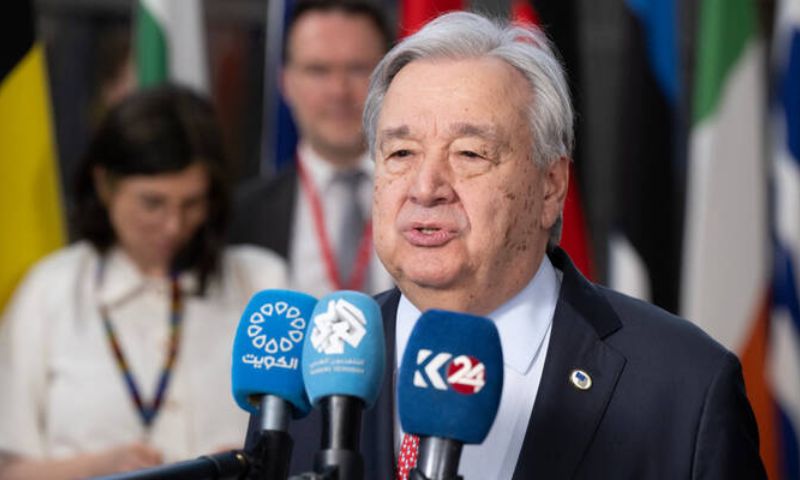
The successful candidate will replace incumbent chief Antonio Guterres, whose tenure is set to conclude at the end of 2026.
Among those declared so far are experienced diplomats, economists, and former heads of state, each presenting distinct visions for navigating a world marked by geopolitical tensions, economic uncertainty, and institutional challenges, according to media reports.
Rafael Grossi
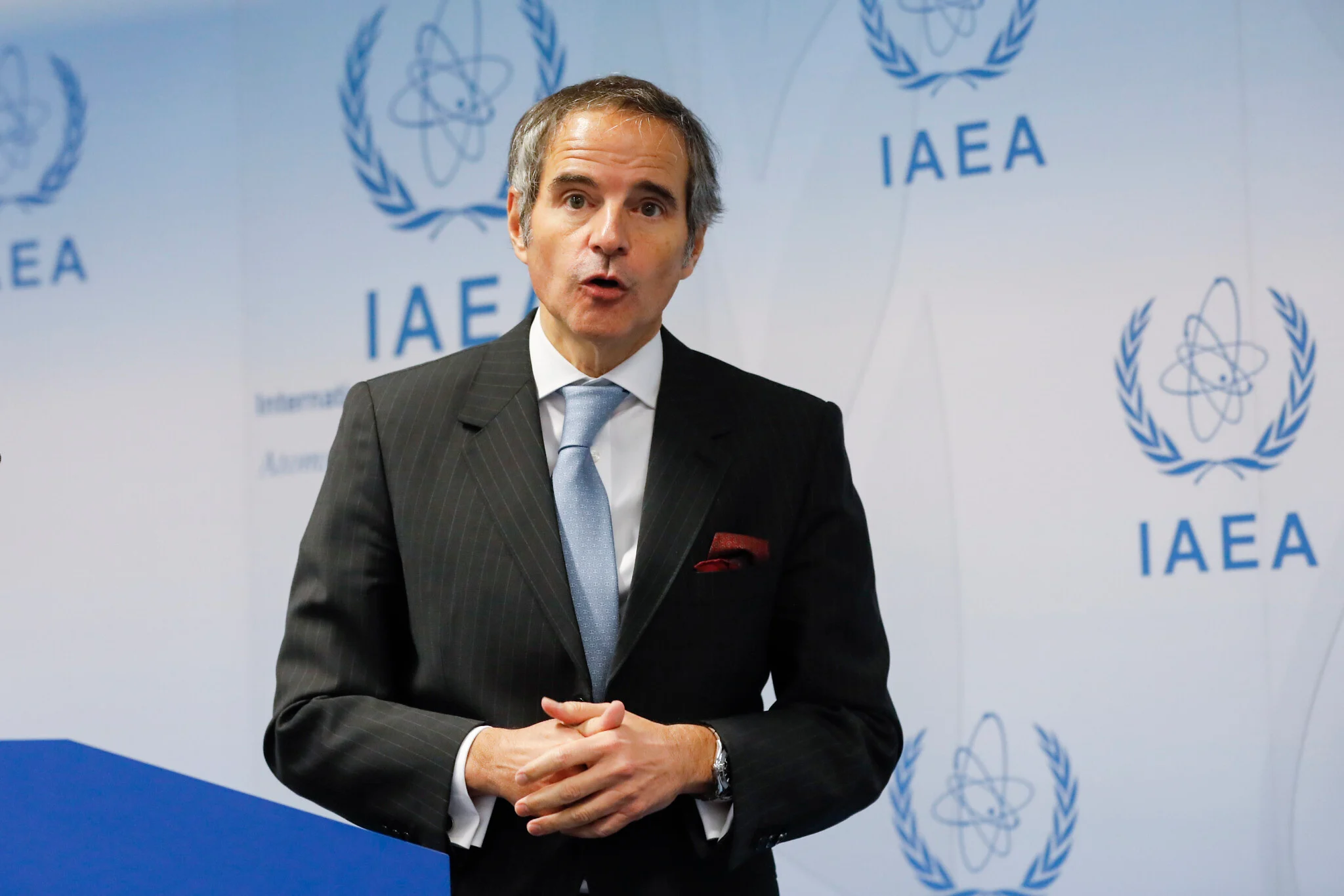
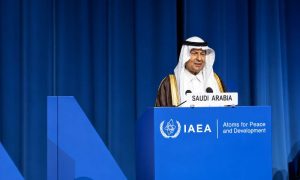
Argentine diplomat Rafael Grossi, 65, is widely regarded by many in diplomatic circles as a leading contender. Currently serving as Director General of the International Atomic Energy Agency, he has built a reputation for active engagement in some of the world’s most sensitive nuclear issues.
Grossi has played a prominent role in efforts to manage tensions surrounding Iran’s nuclear programme, particularly following the 2018 withdrawal of the United States under Donald Trump from the landmark nuclear agreement.
While some critics argue he has been overly accommodating in negotiations with Tehran, supporters point to his pragmatic diplomacy.
One of his notable achievements includes securing a continued presence of IAEA experts at Ukraine’s Zaporizhzhia nuclear power plant amid the ongoing Russia-Ukraine war. Fluent in multiple languages and known for his energetic diplomacy, Grossi has emphasised the importance of multilateral institutions in addressing global crises.
Rebeca Grynspan
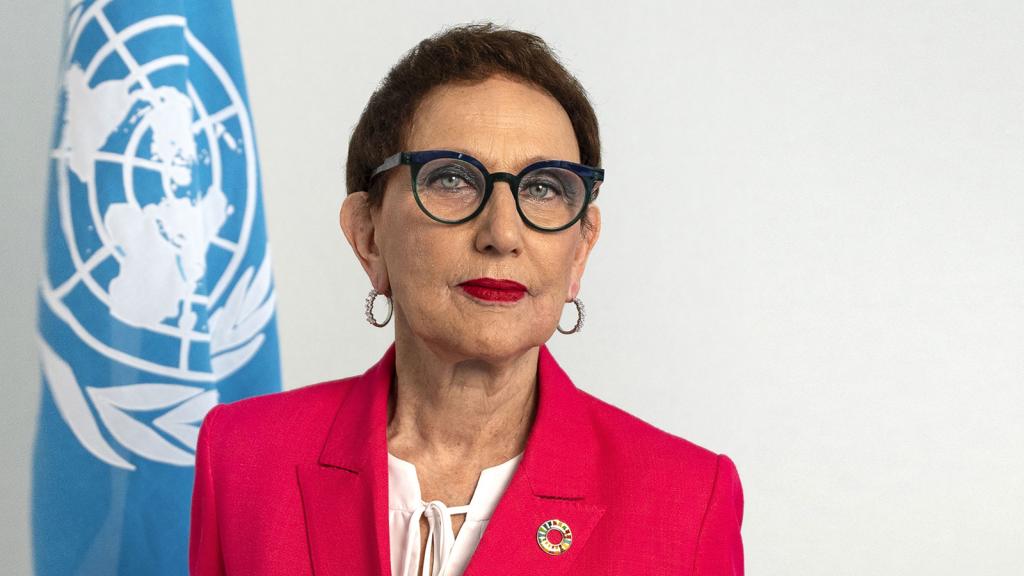
Rebeca Grynspan, 70, a former vice president of Costa Rica and current head of the United Nations Conference on Trade and Development, has positioned herself as a reform-oriented candidate committed to strengthening multilateralism.
An economist by training, Grynspan has temporarily stepped back from her UNCTAD responsibilities to avoid conflicts of interest during the campaign. She has long advocated for inclusive development, gender equality, and institutional reform within the UN system.
If elected, she would become the first woman to lead the United Nations. Grynspan has underscored her commitment to equality, stating that her leadership would focus on collaboration while preserving the organisation’s foundational values of peace, development, and human rights.
Michelle Bachelet
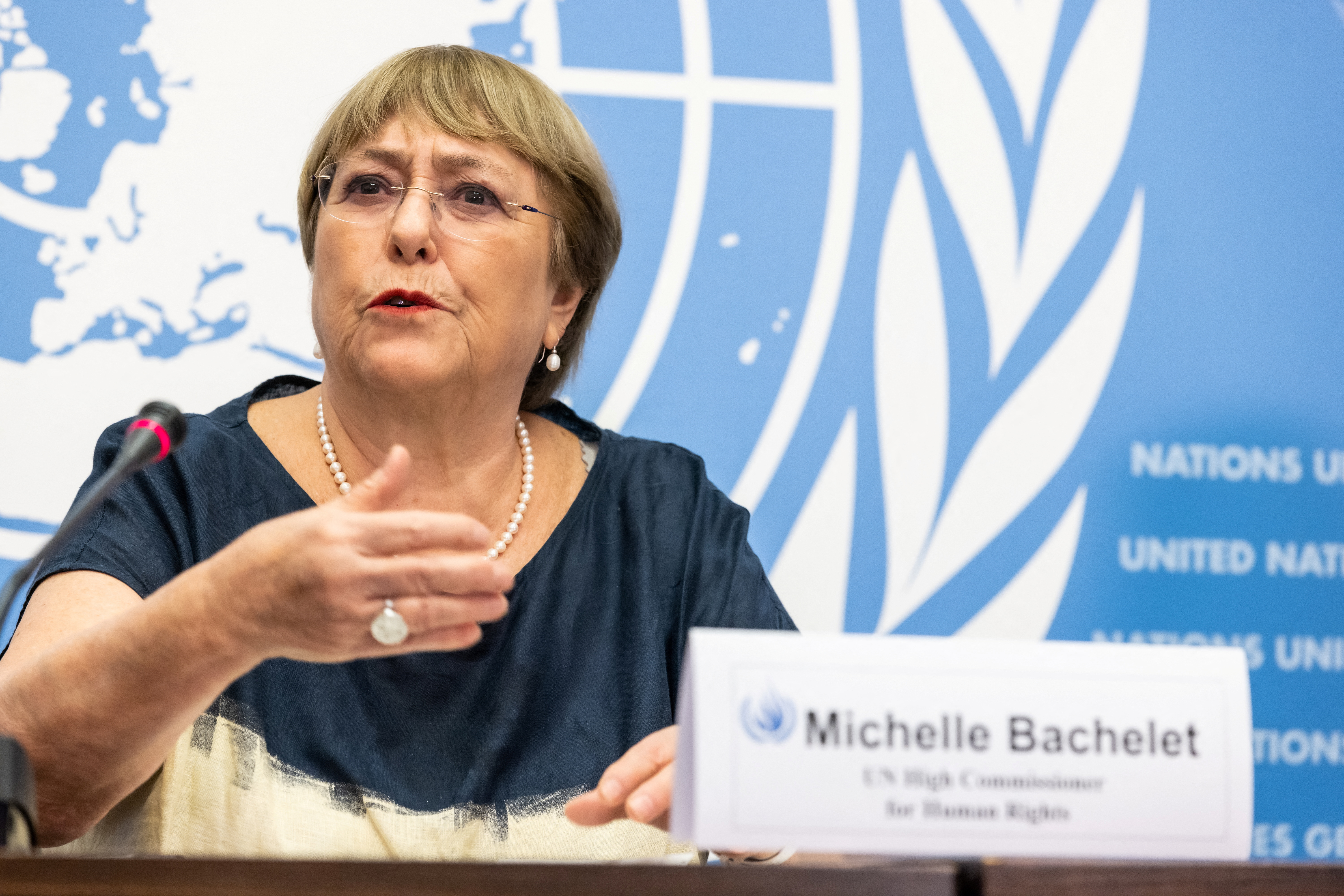
Former Chilean president Michelle Bachelet, 74, brings extensive political and international experience to the race. She has served twice as Chile’s president and previously held senior UN roles, including High Commissioner for Human Rights and head of UN Women.
Her candidacy, however, has faced setbacks. Chile’s government under President Jose Antonio Kast withdrew its support earlier this year, citing limited domestic consensus and uncertain international prospects. Despite this, Bachelet continues her campaign with backing from Brazil and Mexico.
She has also drawn criticism from some US conservatives, including concerns raised by Mike Waltz and Senator Pete Ricketts over her record on human rights issues, particularly regarding China and reproductive rights. Beijing has yet to publicly clarify its stance on her candidacy.
Macky Sall
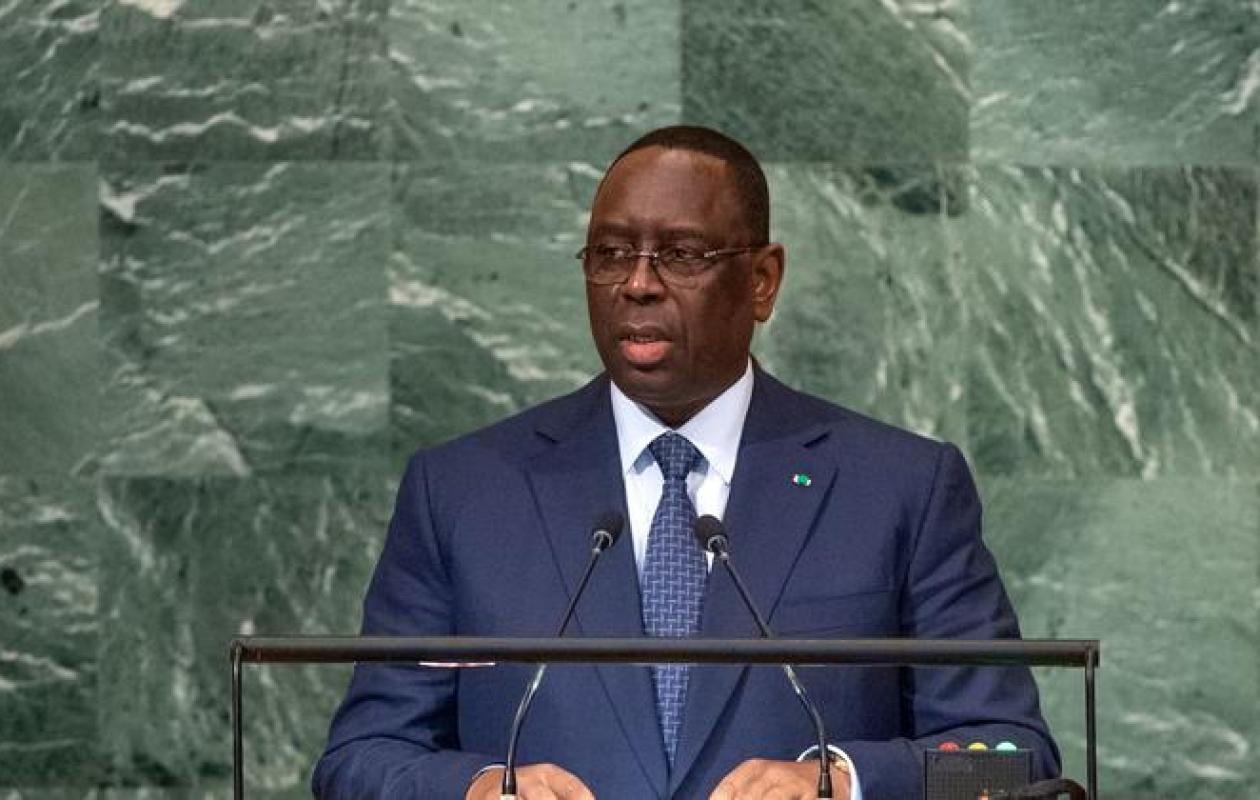
Macky Sall, 64, the former president of Senegal, is highlighting his leadership experience as a key qualification. Having governed the West African nation for over a decade until 2024, Sall oversaw significant infrastructure development and has been a vocal advocate for African economic progress.
His campaign focuses on reforming global governance structures, including calls to overhaul the UN Security Council to better reflect the interests of developing nations. Sall has stressed the need to address debt burdens faced by poorer countries and to promote a more inclusive international system.
Nominated by Burundi, his candidacy has received mixed reactions within Africa, with some major countries, including Senegal itself and Nigeria, reportedly withholding formal support. If successful, Sall would become only the third African to hold the position, following Boutros Boutros-Ghali and Kofi Annan.
A competitive race ahead
The selection of the next UN Secretary-General ultimately depends on the backing of the five permanent members of the Security Council – the United States, Russia, China, Britain, and France – making geopolitical considerations central to the process.
As campaigning continues, the candidates are expected to intensify diplomatic outreach, presenting their visions for a more effective and responsive United Nations in an increasingly complex global landscape.