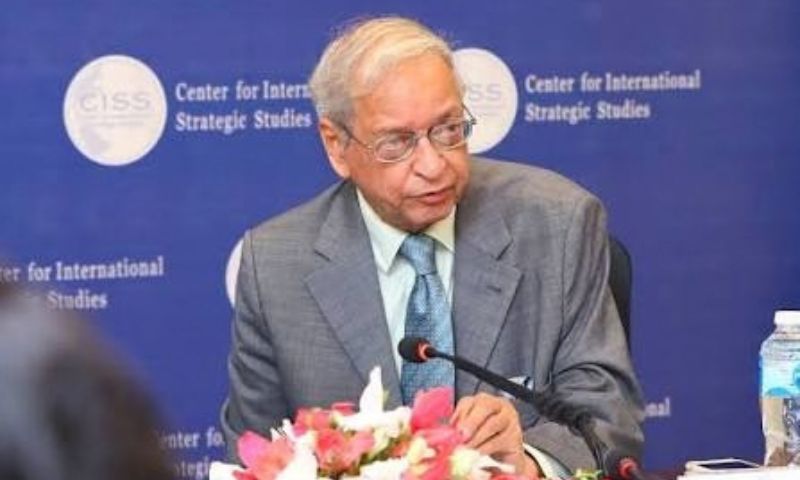
ISLAMABAD: Pakistan’s history of engagement with the United States, coupled with its good relations with all five permanent members of the UN Security Council, has placed the country in an important diplomatic position to mediate between the US and Iran to end the ongoing conflict through dialogue and diplomacy, former ambassador Ali Sarwar Naqvi said.
In an interview with Pakistan TV, Naqvi said Pakistan and the United States had witnessed several phases of convergence of interests, beginning with the Cold War-era alignment and Pakistan’s participation in the CENTO and SEATO arrangements.
He said another major phase of convergence emerged after the Soviet Union intervened militarily in Afghanistan in 1979, as both Pakistan and the United States opposed the Soviet military presence in Afghanistan. A further convergence followed in 2001 after the terrorist attacks in the United States and the subsequent US-led war on terror, he added.
‘Pakistan converged with US on many things’: Former ambassador Ali Sarwar Naqvi pic.twitter.com/iO1Dkv1Y3I
— Pakistan TV Digital (@PakistanTVcom) September 21, 2026
Naqvi said the current conflict between the US and Iran had once again created circumstances in which Pakistan could play an important diplomatic role because of its interest in regional peace and stability.
He noted that Pakistan is currently a member of the UN Security Council and maintains good relations with its five permanent members, the United States, China, Russia, France and the United Kingdom.
“Pakistan is perhaps the country in the world and in the region, certainly, which has good relations with all the permanent members of the Security Council,” Naqvi said.
He said Pakistan’s diplomatic position could be relevant as efforts continue to address tensions surrounding the Iran-US conflict and broader instability in the Middle East.
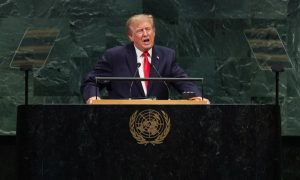
Read Also: Iran Faces Choice Between Deal and ‘Annihilation’: Trump Tells UN
Naqvi’s assessment comes as Pakistan has actively been involved in diplomatic efforts related to the Iran-US conflict. He has previously highlighted Pakistan’s relations with the United States, Iran and the permanent members of the Security Council as factors relevant to its potential role in facilitating dialogue.
Pakistan-US relations have entered a broader phase of engagement, with security and defence cooperation now being accompanied by efforts to expand economic, energy and critical-minerals ties.
Read Also: US-Pakistan Relationship of ‘Enduring Strategic Importance’: US Congressman
Amid the Iran-US crisis, Islamabad has maintained contact with both Washington and Tehran and has sought to facilitate dialogue, with Pakistan’s Foreign Office describing its role as part of efforts to promote restraint, diplomacy and a negotiated settlement.
Read Also: Trump Praises PM Shehbaz, Field Marshal Asim Munir as ‘Great Personalities’
At the security level, Pakistan’s longstanding defence relationship with the US remains an important part of bilateral ties, even as Islamabad simultaneously maintains defence and strategic relationships with other regional powers.
In the current Middle East crisis, Pakistan has sought to use its longstanding relations with both the United States and Iran to facilitate communication and de-escalation, while its broader diplomatic ties give it channels to engage multiple sides.