
Key Points
- Shipments from Punjab resume from April 8
- Initial approval granted to three exporters, more to follow
- Move expected to absorb surplus and stabilise domestic prices
ISLAMABAD: Pakistan’s potato exports to Russia have resumed after Moscow lifted a months-long ban, allowing shipments, initially, from Punjab to restart with a potential boost for farmers, according to officials.
The opening to Pakistan’s overstressed agriculture follows nearly a year of Russian phytosanitary restrictions, under rules for banning imports, preempting the spread of crop diseases.
The Russian Federal Service for Veterinary and Phytosanitary Surveillance (Rosselkhoznadzor), the regulator that checks imported food for plant diseases and pests, has permitted imports effective April 8. The Russian authorities approved three Pakistani exporters to begin with, marking a phased reopening of the market.
The decision follows sustained technical engagement between Pakistani authorities and Russian regulators to address concerns related to pests and plant health standards. The standards essentially include quality and safety checks to ensure shipments are free from infestation and disease, which led to the suspension in May 2025.
Additional exporters are expected to be registered in the coming weeks as trade volumes scale up, supported by business-to-business arrangements on the later stage, according to the officials. Pakistan’s trade mission in Moscow would facilitate the direct commercial deals between companies rather than governments.
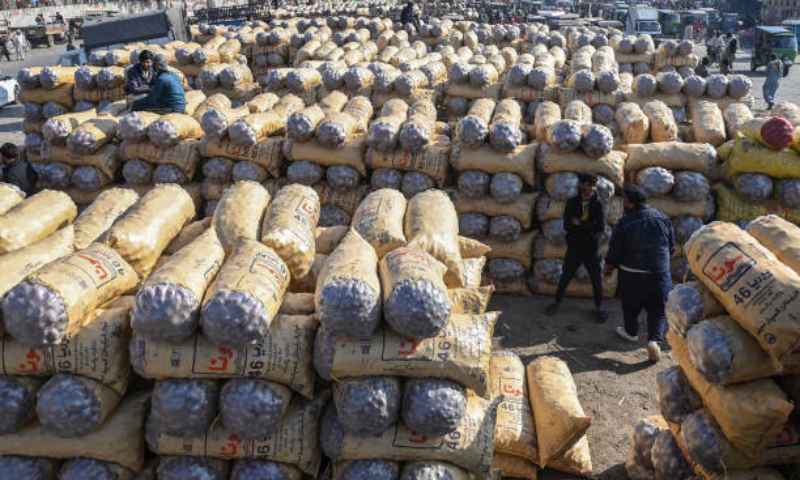
The reopening comes at a critical time for Pakistan, which is witnessing a bumper potato crop, an unusually large harvest, estimated at around 12 million tonnes, creating surplus supply pressures in domestic markets. The farmers, being deprived of the fruits of a record harvest, are also likely to get a dividend of this humage market opening.
Authorities expect the renewed access to the Russian market to help absorb excess stocks, produce that would otherwise go unsold or undersold. They believe it would stabilise prices and generate foreign exchange earnings, particularly benefiting growers in Punjab, the country’s main production hub.
The breakthrough reflects coordinated efforts by multiple institutions, including the Ministry of National Food Security, the Department of Plant Protection, the Trade Development Authority of Pakistan and the Pakistan Horticulture Development and Export Company.
Officials also view the development as part of a broader strategy to diversify export destinations and reduce reliance on traditional regional markets, which have faced disruptions in recent months.