Key Points
- Pakistan has expanded major tariff cuts and fee waivers of up to 60 per cent at key ports
- A Kazakh delegation led by Freedom Holding Corp explores investment opportunities in Karachi Port, Port Qasim and Gwadar.
- Global shipping disruptions prompt demand for alternative logistics corridors.
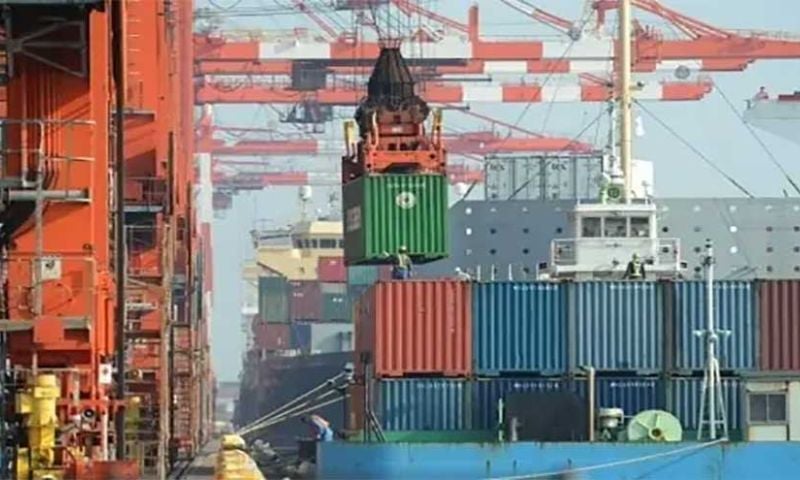
ISLAMABAD: Pakistan is intensifying efforts to transform its seaports into regional logistics and transhipment hubs through a sweeping package of tariff reductions, fee waivers and operational incentives.
The package is aimed at attracting rerouted cargo flows and strengthening connectivity with Central Asia amid ongoing shifts in global shipping routes and disruptions in key maritime corridors.
Federal Minister for Maritime Affairs Junaid Anwar Chaudhry said Pakistan’s ports are being developed as cost-efficient gateways for landlocked Central Asian economies seeking access to global markets via the Arabian Sea.
He made the remarks during a meeting with an 11-member Kazakh delegation led by Timur Turlov, Chief Executive Officer of Freedom Holding Corp.
The discussions focused on transhipment operations, off-dock container facilities, multipurpose terminals, dry docks and floating dock infrastructure, with potential joint ventures being explored at Karachi Port, Port Qasim and Gwadar Port.
Pakistan’s port strategy is being reinforced by an expanded incentive regime designed to capture diverted cargo following disruptions in Middle Eastern shipping lanes and global supply chain realignments, according to an official statement.
Karachi Port Trust has introduced substantial reductions in port dues, wharfage and storage charges for eligible transhipment vessels.
The relief in certain categories reaches up to 60 per cent. The structure is based on a volume-related pricing model offering higher discounts for increased cargo throughput and larger container vessels.
Additional relief measures include storage charge waivers for stranded export containers, ranging between 25 per cent and 50 per cent.
The incentive package aims at easing congestion, reducing demurrage costs and restoring cargo flow efficiency during periods of route instability and rerouting.
At Gwadar Port, authorities have implemented tariff rationalisation measures, including a 25 per cent reduction in berthing fees for container vessels, a 40 per cent cut in transhipment container charges and a 31 per cent reduction in transit cargo tariffs.
Extended free storage periods for general cargo have also been introduced to encourage consolidation and longer dwell times.
These measures build on earlier concessions introduced after regional shipping disruptions, when Pakistan shifted toward a transhipment-focused policy framework.
The government plans to attract diverted cargo through the Arabian Sea, including reduced minimum transhipment thresholds and enhanced fee discounts for qualifying vessels.
The maritime strategy seeks to position Pakistan as a competitive logistics corridor linking Central Asia with the Gulf, Africa and Southeast Asia.
Pakistan’s blue economy policy covers ports, shipping, logistics, fisheries and coastal industrial development.
Gwadar’s free zones, developed under the China-Pakistan Economic Corridor framework, offer Kazakhstan and other Central Asian states a strategic alternative route to global markets, the Minister said while talking to the visiting delegation.
He added that improved road, rail and air connectivity under regional integration plans would further strengthen Pakistan’s role as a logistics bridge across Eurasia.
The Kazakh delegation expressed strong interest in Pakistan’s maritime sector reforms and investment opportunities, citing rising demand for alternative trade corridors amid global supply chain realignments.
The delegation head, Timur Turlov, said Freedom Holding Corp is evaluating long-term investments aligned with Pakistan’s economic priorities. They expressed particular interest in logistics infrastructure and maritime financial services.
Both sides agreed to continue technical consultations on feasibility studies, investment frameworks and phased development plans.
Pakistan’s earlier and ongoing port incentives include major reductions in port dues, wharfage and storage charges of up to 60 per cent for eligible transhipment cargo.
The storage waivers of 25–50 per cent for stranded export containers.
Tariff cuts at Gwadar, including 25 per cent lower berthing fees, 40 per cent reductions in transhipment charges and 31 per cent cuts in transit tariffs.
Pakistan is also offering extended free storage periods to attract consolidation activity.
These measures are part of Pakistan’s endeavour to reposition its ports as competitive regional transhipment hubs in response to shifting global shipping patterns and increased demand for alternative trade routes.