BISHKEK, Kyrgyzstan: Pakistan’s cultural hub, Lahore, renowned for its centuries-old heritage, Mughal monuments, vibrant arts, historic bazaars and celebrated cuisine, has been named the Tourism and Cultural Capital of the Shanghai Cooperation Organisation (SCO) for 2026-27.
The designation gives international recognition to Lahore’s enduring position as one of South Asia’s major cultural centres and is expected to provide fresh opportunities for tourism, cultural exchanges and people-to-people contacts among SCO member states.
The decision was announced at the 26th meeting of the SCO Council of Heads of State in Bishkek, Kyrgyzstan, which was attended by Prime Minister Shehbaz Sharif.
Lahore becomes a bridge for SCO cultural and tourism exchanges
The SCO Tourism and Cultural Capital title has been rotated among member states since 2022, highlighting cities that represent the cultural heritage and tourism potential of the country holding the organisation’s rotating presidency.
Pakistan assumed the SCO presidency this year, with Prime Minister Shehbaz Sharif setting the theme of the chairmanship as “Turning Vision into Action: Connectivity, Innovation and Shared Prosperity.”
The decision to designate Lahore was taken in April 2026 at a meeting of the heads of tourism administrations of SCO member states in Bishkek.
The designation is intended to promote tourism and strengthen people-to-people contacts among SCO countries. The SCO Secretary-General also confirmed the designation during a meeting with Pakistan’s Federal Minister for National Heritage and Culture in Islamabad in July, when the two sides discussed joint cultural and tourism activities.
Read Also: Pakistan Assumes SCO Chairmanship for Next Year
Lahore follows Varanasi, India (2022-23), Almaty, Kazakhstan (2023-24), Qingdao, China (2024-25) and Cholpon-Ata, Kyrgyzstan (2025-26) as cities to receive the title.
Lahore has been designated the SCO Tourism and Cultural Capital for 2026–27, recognising the city’s rich heritage, vibrant culture and historic significance while promoting tourism and people-to-people ties among SCO member states.#Lahore #SCOTourism #CulturalCapital… pic.twitter.com/JhzTFQlY7y
— Pakistan TV (@PakTVGlobal) September 2, 2026
A city where history and culture live side by side
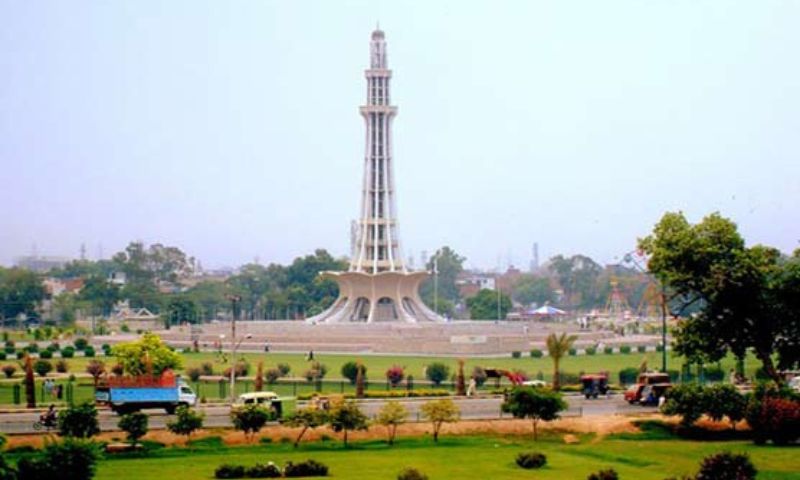
Lahore’s appeal rests on a remarkable combination of history, architecture, literature, arts, food and everyday urban life. The city is home to major landmarks including the Lahore Fort, Badshahi Mosque, Shalimar Gardens, Wazir Khan Mosque, Minar-e-Pakistan and the Walled City.
The Walled City of Lahore remains the historic and cultural core of the metropolis, featuring traditional bazaars, havelis, monuments, museums and famous food streets. The Walled City of Lahore Authority describes it as a living cultural hub that combines heritage with the hustle and bustle of contemporary life.
Brief history of Lahore
Lahore has a history stretching back many centuries, although accounts differ over the precise origins of the city. Historical references trace its development to the early medieval period, while it emerged as an important centre under successive Muslim dynasties.
The city reached a major period of splendour under the Mughal Empire, particularly during the reign of Emperor Akbar, who made Lahore his capital and spent 14 years there from 1584 to 1598. The Lahore Fort and city walls were developed during this period, while later Mughal rulers added palaces, gardens, mosques and mausoleums.
Lahore has been named the Shanghai Cooperation Organisation’s Tourism and Cultural Capital for 2026-27, recognising the city’s rich cultural heritage and strengthening its role in promoting tourism and people-to-people ties across SCO member states.#Lahore #SCO #Tourism… pic.twitter.com/7nAIDxTzvk
— Pakistan TV (@PakTVGlobal) September 2, 2026
The Badshahi Mosque, built during the reign of Emperor Aurangzeb, and the Shalimar Gardens, commissioned by Emperor Shah Jahan, remain among the city’s most prominent Mughal-era landmarks. The Lahore Fort and Shalimar Gardens were inscribed as UNESCO World Heritage Sites in 1981.
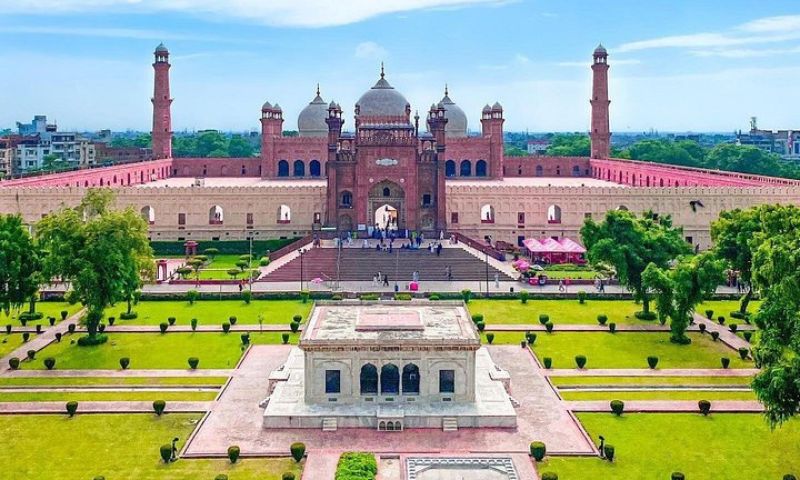
Lahore subsequently served as the capital under Sikh rule before coming under British rule in 1849. The British period added another architectural layer, with colonial-era buildings blending Gothic, Victorian and Indo-Saracenic influences with the city’s older Mughal heritage.
Lahore in modern times
Today, Lahore is a sprawling and energetic metropolis where historic neighbourhoods coexist with modern commercial centres, universities, restaurants, cultural institutions and entertainment venues.
The city remains closely associated with Punjabi literature, music, theatre, film, education and cuisine. Institutions such as Alhamra have helped sustain its cultural life, while the Lahore Museum preserves a vast collection representing Pakistan’s history and cultural heritage.
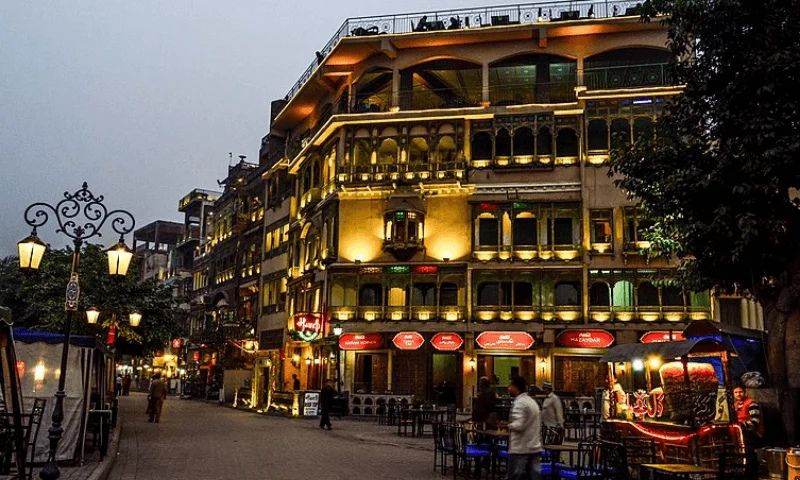
From the narrow streets of the Walled City and the traditional markets around Anarkali to modern shopping malls, cafés and cultural venues, Lahore combines its historic character with contemporary urban life.
Read Also: Pakistan’s Lahore City Launches Eco-Friendly Initiative to Fight Plastic Pollution
Its historic monuments, living traditions, celebrated hospitality and vibrant food culture have made Lahore one of Pakistan’s foremost tourism destinations, qualities that will now be placed on a wider international platform through its designation as the SCO Tourism and Cultural Capital for 2026-27.