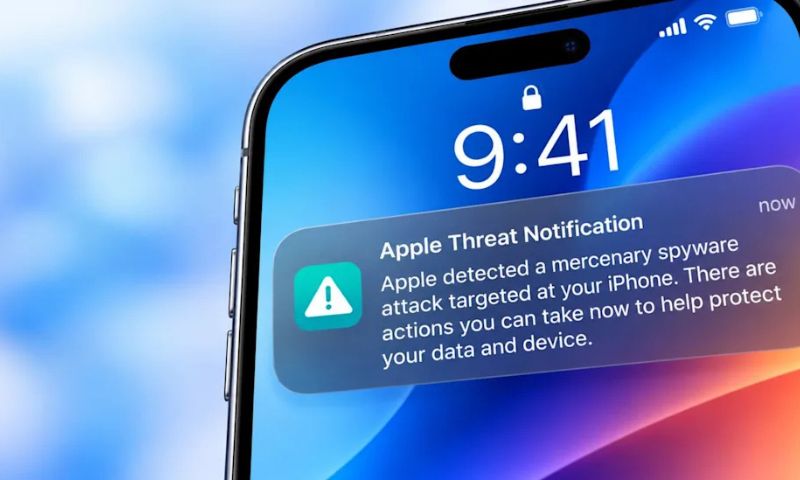
CUPERTINO, United States: Apple has warned iPhone users in 99 countries that sophisticated spyware may have targeted them, including German lawmakers and government officials.
The latest warnings began arriving on October 29, according to reports by TechCrunch and The Record.
German lawmakers and a filmmaker are among the people who received notifications from Apple warning that their phones may have been hacked. https://t.co/3jucZQxAr4
— TechCrunch (@TechCrunch) November 2, 2026
Apple has not identified the attackers or confirmed how many devices were successfully compromised.
“‘Unprecedented’ number of Apple users received recent spyware alert, say investigators.” By @TechCrunch. https://t.co/qarAlv6bcn
— Access Now (@accessnow) August 18, 2026
The 99-country figure came from a notification received by Lebanese filmmaker and journalist Radwan Mortada.
Yesterday, I received a security notification from Apple warning me that my iPhone had been targeted by a sophisticated mercenary spyware attack, involving technology of the kind developed by companies such as NSO Group, the Israeli firm behind the notorious Pegasus spyware. Perhaps the most alarming aspect of Apple’s warning was its confirmation that such attacks target specific individuals “because of who you are or what you do.” This is not the first time I have been targeted by spyware. I was previously targeted with Pegasus in both 2017 and 2021. I do not yet know who is behind this latest attack, or whether it is connected to my investigative documentary, The Trap, which I directed and co-produced. The film, available on Al Jazeera 360, exposed the details of the September 2024 pager explosions in Lebanon. What is certain, however, is that the targeting of journalists with sophisticated spyware poses a grave threat to press freedom, the confidentiality of journalistic sources, and the very foundations of independent investigative journalism.
— رُضوان (@radwanmortada) October 30, 2026
Germany Investigates Suspected Attacks
Germany’s Federal Office for Information Security (BSI) said members of parliament and other prominent individuals had received Apple’s warnings.
The agency advised recipients to assume their devices may have been compromised.
German government spokesman Stefan Kornelius said authorities were taking the warnings seriously and investigating the suspected attacks.
He declined to say whether Chancellor Friedrich Merz was among those targeted.
The Financial Times reported that the suspected attacks involved a zero-click vulnerability, which can allow hackers to access a device without the owner opening a link or downloading a file.
The attackers and the spyware involved have not been identified.
Journalists Also Receive Warnings
Mortada, a Lebanese investigative journalist and documentary filmmaker, said he received an Apple notification on October 29.
He told The Record that Pegasus spyware had previously targeted his phone in 2017 and 2021.
Turkiye-based journalist Ragıp Soylu, the bureau chief for Middle East Eye, also reported receiving a warning.
It remains unclear whether the latest attacks are connected or who was responsible.
What is Mercenary Spyware?
Apple describes mercenary spyware as highly sophisticated surveillance software used to target specific individuals, including journalists, politicians and activists.
Such attacks can cost millions of dollars and may allow attackers to access messages, location information and other sensitive data.
Apple has issued similar warnings several times a year since 2021, reaching users in more than 150 countries overall.
The company says most iPhone users are unlikely to face such attacks.
How to Check if Your iPhone is Affected
Apple says genuine threat notifications appear on an affected iPhone’s Lock Screen and in Settings.
Users can also check for a notification by signing in directly to account.apple.com.
Those who receive an alert are advised to enable Lockdown Mode, update their devices and seek specialist security assistance.
Apple recommends the Digital Security Helpline operated by nonprofit organisation Access Now.
The company says its notifications never ask users to install software, open links or provide passwords or verification codes.