Pakistan is pursuing an independent diplomatic role in efforts to end the conflict between Iran and the United States, seeking to bring the two sides towards dialogue and a peaceful, lasting and comprehensive settlement.
Islamabad is not acting on behalf of either Tehran or Washington, but is acting as a mediator for peace and stability in the region and beyond, Pakistani security officials said.
Pakistan stepped in when the rest of the world struggled to bridge the widening divide between the US and Iran. Pakistan is using its diplomatic reach to bring Washington and Tehran closer to dialogue and facilitate a peaceful, lasting and comprehensive resolution to the conflict.
Pakistan is the natural mediator because it has access to the United States, Iran and Gulf countries, security officials said. Pakistan maintains working relationships with all major stakeholders simultaneously, giving Islamabad an exceptional ability to communicate across competing camps.
Gulf states are already directly exposed to the conflict. Iranian attacks against Gulf countries hosting US military bases place these countries within the conflict’s equation, limiting their ability to function as neutral mediators.
Similarly, European countries face a separate credibility and leverage problem with Iran. France, Germany and the UK were direct parties to the Joint Comprehensive Plan of Action (JCPOA), commonly known as the Iran nuclear deal, as part of E3.
After US President Donald Trump’s abrogation of the JCPOA in 2018, European countries also did not provide economic relief to Iran. This resulted in a breakdown of trust and credibility.
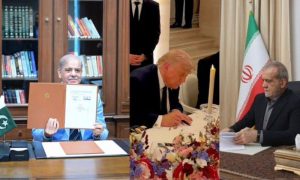
No viable alternative to the Islamabad Memorandum of Understanding (MoU) between the US and Iran has emerged so far. Months have passed since the beginning of the Iran war, yet no successful mediation effort by any other country has produced a durable settlement.
The continued absence of a successful diplomatic framework after months of conflict reinforces Pakistan’s role as the most practical channel capable of connecting principal stakeholders, Pakistani security officials said.
Pakistan is maintaining a good balance on all sides of the conflict. Pakistan continues engagement with Iran while maintaining strong strategic and economic relations with the US and the Gulf states, creating diplomatic space to engage multiple stakeholders.
Pakistan’s desire to bring a negotiated settlement to the war is primarily driven by its own national interests; border security, energy needs, flow of remittances from Gulf countries, maritime connectivity, regional cooperation against terrorism, support of Arab and Islamic countries on the Kashmir dispute, among many others, Pakistani security officials said.
Pakistan shares a long, porous border with Iran and does not want a breakdown of border control and security on the other side, security officials said.
Pakistan is heavily invested in the economic and strategic stability of Gulf Cooperation Council (GCC) member countries due to dependence upon remittances from the Pakistani diaspora, energy imports, investment, trade and defence partnerships.
Any prolonged disruption of strategic waterways, the Strait of Hormuz or Bab al-Mandab, will affect energy supplies, shipping routes, freight costs and Pakistan’s wider economic interests, Pakistani security officials said.
Pakistan’s mediation also seeks to build wider cooperation around issues directly affecting regional and international security. By bringing Iran, the US and other key stakeholders into sustained dialogue, Islamabad can help create a broader environment of cooperation that serves Pakistan’s long-term security and economic interests, security officials said.
Due to its own demographic realities, Pakistan has a direct interest in preventing sectarian conflicts from spreading into Pakistan. Islamabad’s balanced engagement with Sunni Arabs and Shia Iran can help prevent sectarian narratives from gaining ground and protect Pakistan’s social cohesion and internal stability, according to Pakistani security officials.
Pakistan is seeking a peaceful, lasting and comprehensive resolution to the Middle East conflict, rather than merely a temporary pause in fighting between the US and Iran. Pakistan’s objective is sustainable regional stability built through dialogue and practical understandings, Pakistani security officials said.
Pakistan’s ability to maintain good relations across competing camps is itself a strategic asset, according to security officials. Islamabad can engage stakeholders even when direct relations between them are strained, providing an important channel for continued communication.
Pakistan is choosing peace, stability and its own national interest, security officials maintained. Islamabad’s credibility, crisis-management capacity and unique ability to maintain relationships across competing sides make it the most credible and irreplaceable diplomatic bridge.
Islamabad MoU between the US and Iran demonstrates Pakistan’s ability to convert diplomatic engagement into a concrete framework for dialogue, commitments and a peaceful, lasting settlement.