Key Points
- Rupee closes at Rs 277.32 per US dollar, up 3 paisas on Friday
- Local currency has strengthened about 1 per cent from early-2026 levels
- Stability contrasts with heavy depreciation seen in previous years
- Oil prices and external financing remain key risks to the 2026 trajectory
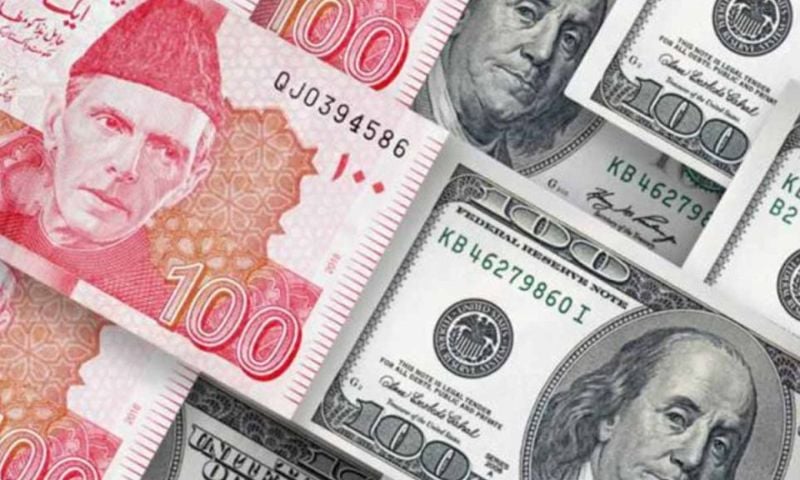
ISLAMABAD: The Pakistani rupee has maintained a broadly stable-to-firm trajectory against the US dollar in 2026, strengthening by about 1 per cent from levels around Rs 280-Rs 282 at the start of the year to Rs 277.32 on Friday.
The rupee continued its gaining spree in the first half of 2026, despite renewed pressure from higher oil prices and geopolitical tensions in the Middle East.
The latest move was marginal, with the rupee gaining 3 paisas, or 0.01 per cent, in interbank trading on Friday. The currency closed at Rs 277.32 to the dollar, compared with Rs 277.35 a day earlier.
The trajectory marks a significant change from the sharp depreciation cycles that have characterised Pakistan’s currency market in previous years.
The rupee was trading at Rs 279.77 against the dollar at the end of January and has since moved gradually towards the Rs 277 level.
The currency’s performance has also been relatively resilient during a year marked by substantial external shocks.
Foreign-exchange reserves, remittances and tighter management of external financing have helped improve the supply of dollars in the domestic market. The subdued currency demand has limited pressure on the rupee.
The State Bank of Pakistan has also maintained a policy aimed at preserving monetary and external stability.
Pakistani rupee at the beginning of the year
At the beginning of the year, the central bank said stronger foreign-exchange reserves and a stable rupee were among the factors supporting the economic outlook, while projecting reserves above $20 billion by the end of 2026.
The latest stability is particularly notable because international oil prices have risen sharply amid disruptions and geopolitical tensions surrounding the Middle East.
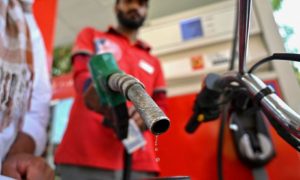
Higher oil prices pose a direct risk to Pakistan because the country imports most of its petroleum requirements, increasing demand for dollars and potentially widening the import bill.
The pressure could become significant if elevated oil prices persist. Pakistan’s currency therefore remains closely linked to the balance between export and remittance inflows and the country’s dollar requirements for energy and other imports.
The rupee has nevertheless held within a narrow range in recent months. Data showed the interbank dollar rate at Rs 277.37 on September 8, Rs 277.36 on September 9, Rs 277.35 on September 10 and Rs 277.32 on September 11, highlighting the unusually limited day-to-day movement.
READ ALSO: Pakistani Rupee Gains against US Dollar
The 2026 performance suggests that the rupee has moved from a period of acute currency instability towards managed stability. That does not necessarily mean the currency has entered a sustained appreciation cycle, however.
For the remainder of the year, the key variables will be oil prices, workers’ remittances, export receipts, foreign investment and official external financing.
A prolonged energy-price shock could reverse some of the rupee’s gains, while stronger dollar inflows and improved external balances could allow the currency to remain near current levels.
At Rs277.32 to the dollar, the rupee is therefore ending the latest phase of 2026 considerably firmer than where it began the year.
But its next direction will depend increasingly on whether Pakistan can maintain adequate dollar inflows while containing the cost of imported energy.
For the rest of 2026, the rupee’s stability will depend on Pakistan’s ability to sustain dollar inflows, contain the import bill and withstand higher energy costs, with oil prices remaining the biggest external risk to its gains.