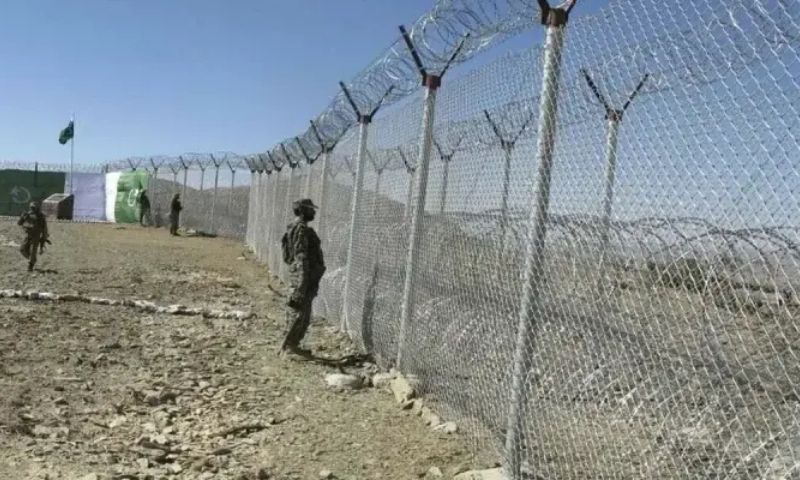
ISLAMABAD: Pakistan has categorically rejected allegations by the Afghan Taliban regime that Pakistani forces supported or accompanied armed opposition groups in Afghanistan’s Badakhshan province, calling the claim baseless and unfounded.
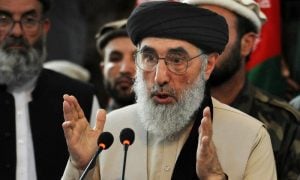
Earlier, Afghan Taliban regime spokesman Zabihullah Mujahid, in an interview with Aamaj News, asserted that Pakistani authorities are physically involved in Badakhshan’s violence.
“Nothing can be farther than this from the truth. No credible evidence has been presented to substantiate this false narrative,” the Ministry of Information said in a statement posted on X.
It said the violence in Badakhshan reflects Afghanistan’s own internal security and governance challenges, not Pakistani interference.
𝐅𝐚𝐜𝐭 𝐂𝐡𝐞𝐜𝐤 | 𝐌𝐢𝐧𝐢𝐬𝐭𝐫𝐲 𝐨𝐟 𝐈𝐧𝐟𝐨𝐫𝐦𝐚𝐭𝐢𝐨𝐧 & 𝐁𝐫𝐨𝐚𝐝𝐜𝐚𝐬𝐭𝐢𝐧𝐠
◼️ In an interview to Aamaj News, Afghan Taliban Spokesman, Zabihullah Mujahid’s has asserted that Pakistan’s military is physically involved in Badakhshan’s violence. Nothing can be… pic.twitter.com/Jif17JIaaR
— Fact Checker MoIB (@FactCheckerMoIB) August 25, 2026
“Available independent reporting has documented the clashes as an armed struggle against non-inclusive and oppressive Afghan Taliban rule, without establishing any Pakistani involvement,” the ministry said.
Pakistan consistently supported a peaceful and stable Afghanistan
The ministry noted that the Pakistani government has consistently supported a peaceful and stable Afghanistan and has no interest in destabilising its neighbour.
“The Taliban regime should address the growing challenges arising from their own governance failures instead of blaming Pakistan for Afghanistan’s internal problems. Assertions without evidence cannot substitute facts,” it said.
Resistance could open path toward Afghan government in exile
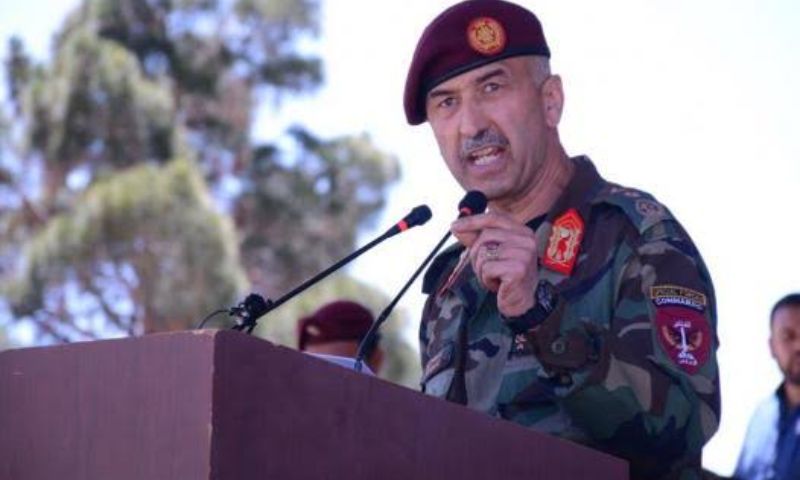
Former Afghan Special Forces commander General Farid Ahmadi has said the liberation of Badakhshan from Taliban control could create conditions for the formation of an Afghan government in exile, as growing resistance activity in the province increasingly poses both a military and political challenge to the Taliban regime.
Badakhshan, once viewed primarily as a remote security theatre, has assumed wider significance amid clashes involving the Afghanistan Freedom Front (AFF), National Resistance Front (NRF), local resistance groups and other anti-Taliban elements.
According to Gen Ahmadi, a sustained resistance breakthrough in the province could provide opposition forces with the territorial and organisational space needed to build an alternative political structure.
The development would carry implications well beyond the battlefield. A significant loss of territory in Badakhshan could challenge the Taliban’s claim that it exercises uncontested authority across Afghanistan and expose the limitations of relying on military force to maintain control.
ALSO READ: Resistance Could Open Path toward Afghan Government in Exile
Since returning to power, the Taliban leadership has faced criticism over its restrictive and exclusionary approach to governance. Political opponents, former security personnel, independent voices and sections of Afghan society have found limited opportunities for meaningful participation in the country’s political affairs.
Power has remained concentrated within a relatively narrow leadership structure, while competing political forces have largely been excluded from decision-making. The continuing political restrictions have fuelled discontent and, according to Afghan opposition figures, created greater space for resistance movements to organise and expand.
Badakhshan pressure point
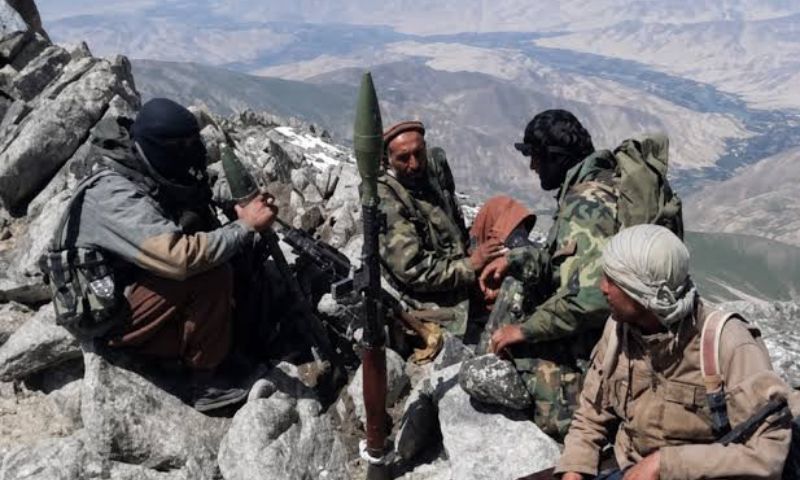
Badakhshan has consequently emerged as one of the most important pressure points for the Taliban. Continued operations by several resistance groups, recurring clashes and Taliban efforts to retain or restore control through military operations indicate that the regime’s authority remains contested in parts of the province.
For the resistance, however, the significance of Badakhshan extends beyond the immediate military contest. Establishing sustained control over territory could allow disparate anti-Taliban groups to improve coordination, develop administrative structures and establish a stronger political presence.
UN closely monitoring fighting in Badakhshan
Earlier this month, the United Nations said it is closely monitoring fighting in Afghanistan’s northeastern Badakhshan province amid growing concerns over the safety of civilians caught in clashes between Taliban forces and fighters loyal to dissident commander Juma Khan Fateh.
The UN Assistance Mission in Afghanistan (UNAMA) told the media that it did not yet have verified information about civilians in areas affected by the fighting.