SLAMABAD: Pakistan has launched a feasibility study for a modern oil city in Hub district, Balochistan, as part of a plan to develop the area into a major petroleum logistics, storage and trading zone.
The initiative, led by the Ministry of Petroleum, aims to strengthen Pakistan’s energy infrastructure while expanding the commercial potential of the country’s coastal belt.
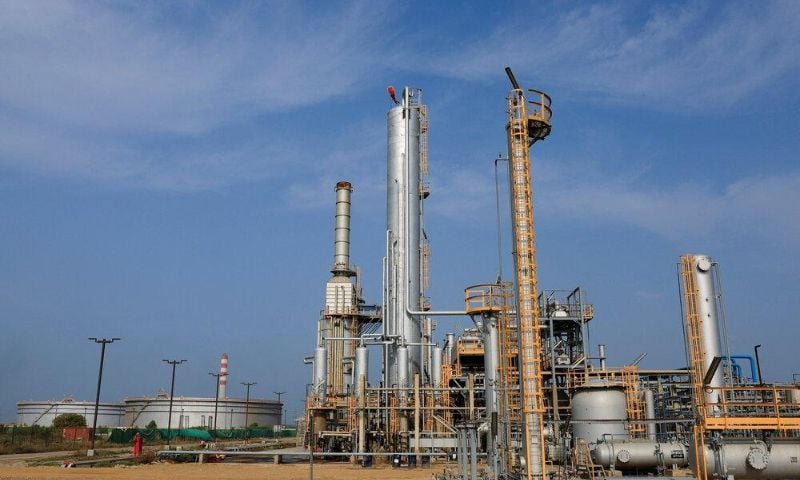
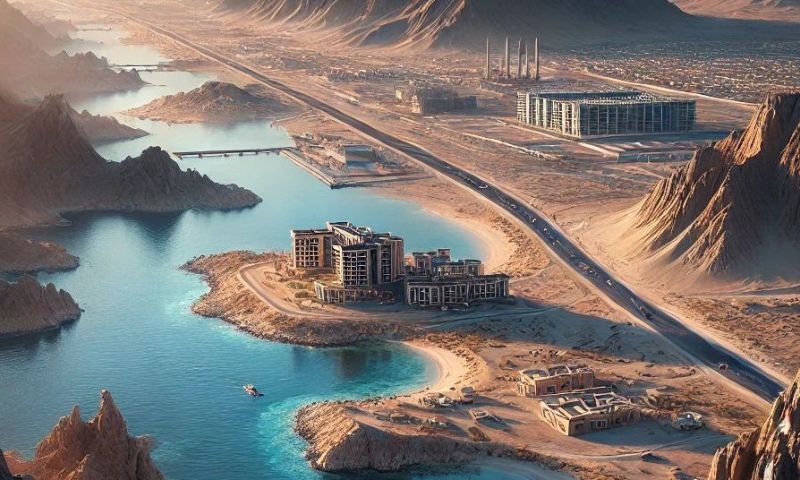
The proposed project would establish Hub as an integrated petroleum city with offshore handling facilities, bonded storage and dedicated pipelines connecting the terminal with key industrial and distribution centres.
Offshore Terminal
A key component of the plan is an offshore Single Point Mooring (SPM) facility designed to handle large oil tankers.
The facility would allow vessels to load and unload petroleum cargo offshore, potentially improving the efficiency of crude oil imports and strengthening the role of Balochistan’s coastline in Pakistan’s international energy trade.
The feasibility study has reportedly been assigned to international engineering and consultancy firm Technip, reflecting the government’s intention to develop the project according to international technical standards.
Pipeline Network
The proposed oil city would be connected to Pakistan’s existing petroleum infrastructure through two dedicated pipelines.
One pipeline would transport crude oil to industrial facilities in Karachi’s Keamari area, providing a direct supply route to the city’s refining and petroleum infrastructure.
The second would transport petroleum products towards Port Qasim and connect with the existing White Oil Pipeline, further integrating the proposed Hub facilities with the national distribution network.
The planned connections are intended to improve the movement of crude oil and refined petroleum products while reducing logistical bottlenecks.
Investment Potential
The project also envisages bonded storage facilities, allowing international companies to store petroleum products before customs duties and taxes become payable when the products enter the domestic market.
The facility could provide additional flexibility for international energy companies and create opportunities for investment in petroleum storage, logistics and related infrastructure.
If developed as planned, the project could also generate employment and stimulate economic activity in Hub and surrounding coastal areas.
Balochistan’s Role
The proposed oil city adds to a series of major infrastructure and connectivity projects aimed at increasing Balochistan’s role in Pakistan’s national economy.
With its proximity to Karachi and the Arabian Sea, Hub occupies a strategically important position between Pakistan’s major industrial and commercial centres and its coastal trade routes.
The development of large-scale petroleum infrastructure in the area could strengthen industrial activity, create new employment opportunities and increase the province’s contribution to Pakistan’s energy and trade networks.
Energy Security
The proposed project is also part of efforts to strengthen Pakistan’s petroleum supply chain by diversifying storage and transportation infrastructure.
An integrated offshore terminal, storage facilities and pipeline network could provide greater flexibility in handling crude oil and petroleum products and improve connections between import facilities, refineries and domestic markets.
If completed, the Hub oil city could emerge as a major component of Pakistan’s long-term energy and trade infrastructure, while creating new opportunities for investment and economic activity in Balochistan.