ISLAMABAD: Pakistan has unveiled plans to establish a Pakistan Maritime Energy City (PMEC), a major strategic initiative designed to transform the country into a regional hub for energy storage, logistics and re-export.
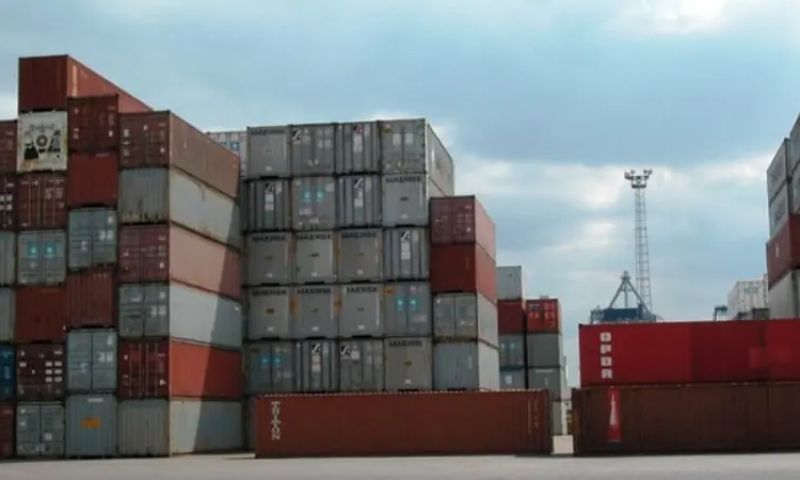
The proposed project, announced by Federal Minister for Maritime Affairs Muhammad Junaid Anwar Chaudhry, seeks to develop integrated infrastructure capable of handling oil, liquefied natural gas (LNG) and liquefied petroleum gas (LPG). Officials say the initiative will not only address domestic energy storage needs but also position Pakistan as a key player in regional energy trade.
Speaking during a high-level meeting to review potential sites for new maritime infrastructure, the minister said the project would enhance supply chain resilience, particularly during periods of regional uncertainty. He added that the development of such facilities would contribute to economic growth by improving port capabilities and attracting investment.
As part of the plan, authorities are considering the construction of three to four new deep-sea ports along Pakistan’s coastline. These ports are expected to serve as critical nodes in the country’s broader maritime and energy strategy.
To oversee the initiative, a 12-member multi-agency committee has been formed under the framework of the government’s long-term “Hundred Years Vision 2047–2147”. The committee has been tasked with identifying suitable locations, coordinating planning efforts and laying the groundwork for future maritime expansion.
During the meeting, Rear Admiral Muhammad Khalid, Director General of the Port Qasim Authority, provided an update on progress, noting that data collection is underway. He said a comprehensive feasibility report—covering technical, environmental, hydrographic and investment considerations—will be presented in due course.
The minister instructed the committee to begin identifying land for the proposed sites and emphasised the importance of consulting all relevant stakeholders, particularly provincial governments, before formally launching the project.
If implemented successfully, the Pakistan Maritime Energy City could play a pivotal role in strengthening the country’s energy security, enhancing trade connectivity and supporting long-term economic development.
Analysts say, for Pakistan, the PMEC initiative represents a strategic shift towards leveraging its geographic location along key global shipping routes. With increasing energy demand and recurring supply disruptions, the development of large-scale storage and re-export facilities could reduce reliance on external transit hubs while improving domestic energy security.
From an international perspective, the project aligns with broader regional dynamics, particularly the growing importance of energy corridors linking the Middle East, Central Asia and South Asia. If integrated effectively with existing infrastructure such as Gwadar Port and China-Pakistan Economic Corridor (CPEC) projects, PMEC could enhance Pakistan’s role in global energy logistics and trade flows.
Analysts note that the success of such an ambitious initiative will depend on regulatory clarity, investor confidence and sustained political commitment. Ensuring environmental safeguards and transparent governance will also be critical to attracting international partners and financing.
Additionally, the planned focus on LNG and LPG storage reflects global trends towards diversified energy sources and flexible supply chains. As energy markets become more volatile, countries with advanced storage and redistribution capabilities are likely to gain strategic and economic advantages.