ISLAMABAD: Pakistan’s Interior Minister Mohsin Naqvi said on Thursday that Pakistan’s current governance system is failing to meet the country’s needs, and called for sweeping reforms and new provinces to improve public services.
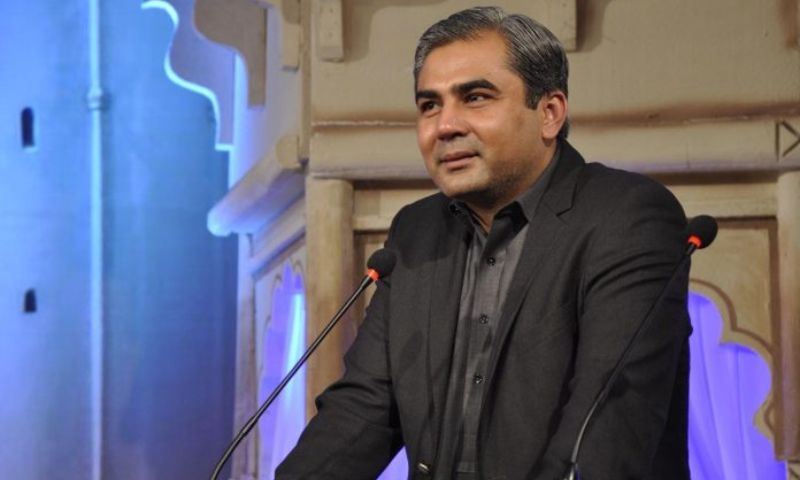
Addressing the Pakistan Economic Summit in Islamabad, the minister delivered a blunt assessment that cut through the usual diplomatic jargon, telling an audience of policymakers, economists, and business leaders that incremental fixes were no longer enough for a system he described as terminally broken.
“Whether people accept it or not, the system has collapsed,” Naqvi declared. “If this system continues, we will still be discussing the same issues 10 years from now.”
🇵🇰 Interior Minister Mohsin Naqvi on the Creation of New Provinces and Administrative Units. pic.twitter.com/JXXfkgKt2k
— Zard si Gana (@ZardSi) July 30, 2026
His remarks represented one of the most candid critiques of Pakistan’s governance structure from a sitting federal minister in recent memory, and came with a clear call to action: decentralise power, create new administrative units, and fundamentally rethink how the country is governed from the grassroots upward.
A self-aware confession from the inside
Naqvi was unsparing in his assessment, acknowledging that those in power, including himself, bear responsibility for the current state of affairs. He stressed that participants at the summit had not only identified the country’s key economic and governance challenges but had also proposed practical solutions, yet policymakers themselves have been part of the problem.
He argued that democracy, which he described himself as a strong supporter of, must evolve through institutional reforms. The current model, he suggested, has failed to deliver for ordinary citizens, and temporary measures or band-aid solutions would no longer suffice.
New provinces, new hope?
The most striking proposal to emerge from Naqvi’s address was his call for the creation of new administrative units or provinces, a politically sensitive issue that has been debated for decades but never implemented at scale. Naqvi argued that devolving powers to the grassroots level could help address governance issues more effectively and bring services closer to the people.
“Whether described as provinces or by another name, establishing new administrative units could help address governance issues more effectively,” he said, suggesting that smaller, more manageable administrative areas could respond more quickly and effectively to local needs.
A youth in crisis
The interior minister also turned his attention to Pakistan’s young population, which he described as the country’s greatest asset, and its most neglected constituency.
“We cannot solve problems by distributing a few thousand rupees or tablets,” Naqvi said, referring to what he described as token gestures that have failed to address the root causes of youth unemployment. “Policymakers need to address underlying issues and ensure opportunities for young people through sincere reforms.”
He noted that the youth primarily seek employment opportunities but are “often deprived of even this basic need”, a stark assessment of the disconnect between Pakistan’s demographic dividend and its economic reality.
All political parties will have to sit together in one room and resolve every issue, from the creation of new provinces to every other national challenge.
Mohsin Naqvi pic.twitter.com/dbSLjld31W
— Faizan (@faizannriaz) July 30, 2026
Image vs. reality
Naqvi acknowledged that Pakistan’s international image had improved in recent years, but cautioned that perception alone could not sustain the country. “Substantial domestic reforms remain necessary to strengthen governance and economic stability,” he said, warning that delayed reforms could worsen the country’s challenges.
He expressed hope that timely decisions and decentralisation would help put Pakistan on a more sustainable path, but his tone left little room for optimism about the status quo.