Key Points
- Energy Ministry’s Petroleum Division proposes cutting annual petroleum levy target to Rs 1 trillion
- Recommended fuel levy rate reduced to Rs50 per litre until global oil prices fall below $60 per barrel
- Pakistan currently charges up to Rs 118 per litre in petroleum levy on petrol
- Islamabad seeks lower LPG sales tax and additional subsidies to ease the burden on households
- Oil and gas sector urges relief from taxes, delayed refunds and mounting financial pressures
ISLAMABAD: Pakistan’s Energy Ministry has urged the federal government to reduce petroleum levy and fuel tax rates in the upcoming budget, warning that elevated energy costs are worsening affordability pressures and could undermine economic and social stability.
In budget recommendations submitted to the Finance Ministry for fiscal year 2026-27, the Ministry’s Petroleum Division proposed lowering the annual petroleum levy collection target from 1.5 trillion to Rs 1 trillion for the financial year 2026-2027.
The higher levy collection target was projected under ongoing fiscal commitments linked to the International Monetary Fund (IMF) programme conditionality.
Pakistan grapples with persistently high global oil prices following heightened geopolitical tensions involving Iran and disruptions in international energy markets. Factors beyond the government’s control have added pressure to the country’s import bill and inflation outlook.
Petroleum Minister Ali Pervaiz Malik recently informed Finance Minister Muhammad Aurangzeb that Pakistan needed to reduce its reliance on petroleum levies to shield vulnerable consumers from the impact of rising fuel prices and consequent inflation, according to the Express Tribune.
According to the Petroleum Division budget proposals, reducing the petroleum levy on petrol and diesel to Rs 50 per litre, nearly Rs 30 below the level agreed with the IMF framework.
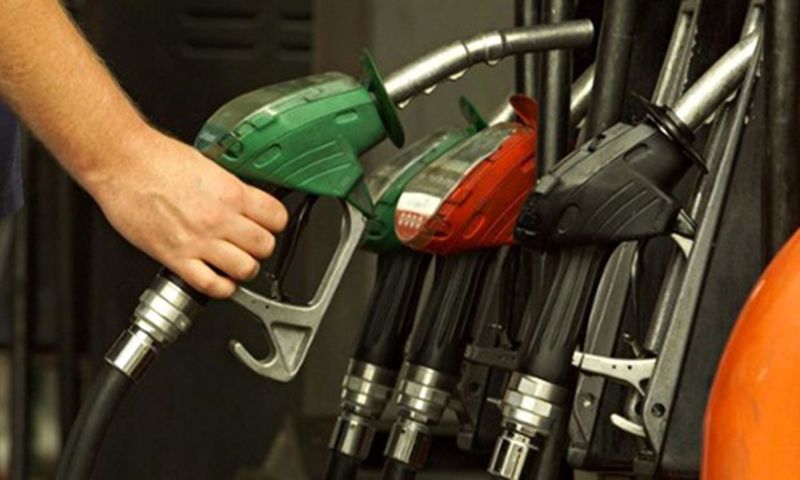
The government is currently charging as much as Rs 118 per litre levy on petrol, making fuel taxation one of the largest contributors to retail prices.
Officials suggested that the levy rate could be raised again if international crude oil prices decline below $60 per barrel.
Since 2022, levy collections have consistently exceeded annual targets, generating an estimated Rs 4.3 trillion over four years as successive governments used fuel taxation to offset weaker-than-expected tax revenues elsewhere in the economy.
The Petroleum Division argued that excessive dependence on fuel taxes has become increasingly difficult to sustain as transport and energy costs continue feeding broader inflationary pressures across the economy.
According to official estimates, taxes account for roughly 36 per cent of the retail petrol price in Pakistan.
The government has faced growing calls from businesses and consumers to rationalise energy taxation, particularly as fuel costs affect transport, food prices and industrial production.
Reducing the sales tax on liquefied petroleum gas (LPG), used by lower-income households, from 18 per cent to 10 per cent in the next fiscal year, the proposal states, further advising against raising levy targets on LPG consumption.
Beyond consumer fuel pricing, the Petroleum Division called for financial support measures for the energy sector. It warned that mounting tax disputes, delayed refunds and cross-subsidies were straining the financial viability of state-owned and private energy companies.
It urged the Federal Board of Revenue to clear Rs 55 billion in pending tax refunds owed to Sui Northern Gas Pipelines Limited. Delayed payments were constraining the company’s ability to settle liabilities across the gas supply chain, it added.
The Energy Ministry highlighted tax disputes worth Rs 182 billion regarding imported gas swaps involving Sui Southern Gas Company Limited and called for amendments to sales tax laws in the upcoming budget to resolve the issue.
The proposal also requested Rs130 billion in direct budgetary allocations for gas subsidies, instead of transferring the cost burden to residential consumers through higher tariffs.
It also sought budgetary support for Pakistan State Oil to offset exchange-rate-related losses incurred on foreign borrowing used for fuel imports.
The state-owned oil marketing company, Pakistan State Oil, has requested clearance of Rs 61 billion in outstanding claims tied to financing costs and currency depreciation.
Energy officials further recommended abolishing the 10 per cent “super tax” imposed on oil and gas companies, arguing that the measure had distorted profitability and discouraged investment in the sector.
Pakistan is expected to unveil its federal budget on June 5 amid continued negotiations with the International Monetary Fund over fiscal targets, energy reforms and revenue measures.