ISLAMABAD: Pakistan is now better placed to withstand external economic shocks than it was in 2022, Moody’s Assistant Vice President Grace Lim said, attributing the increased resilience to two years of macroeconomic stabilisation and recent measures to improve governance.
Speaking to state-run Pakistan TV Digital days after the agency upgraded the country’s sovereign credit rating, Lim said the country’s stronger resilience was the result of sustained macroeconomic stabilisation rather than luck.
She said the improvement reflected progress in strengthening Islamabad Pakistan’s external position and implementing measures aimed at improving economic and institutional stability.
“Pakistan has been more resilient, more able to absorb this shock from the Middle East conflict this time around, compared to say in 2022, where there was an oil price shock,” she said.
Pakistan’s economy more resilient to Hormuz shock than 2022 oil crisis: Moody’s analyst Grace Lim | South Speaks with Saqib pic.twitter.com/clHJ5MRB23
— Pakistan TV Digital (@PakistanTVcom) September 7, 2026
She said the resilience had been built through improvements made before the latest disruption.
“Lower inflation, stable exchange rates, higher foreign exchange reserves, that gives them the buffer, that gives them better shock absorption capacity,” she added.
Lim said three factors had driven Moody’s decision to upgrade Islamabad’s rating: improving governance, a stronger external position and better fiscal metrics.
“We upgraded Pakistan’s rating to reflect our expectation that the improvements in its governance will allow the government to sustain the recent strengthening of its external position and fiscal metrics,” she said.
She added that debt affordability — measured by the share of government revenue absorbed by interest payments — was improving but remained weak.
Moody’s upgrades Pakistan’s rating
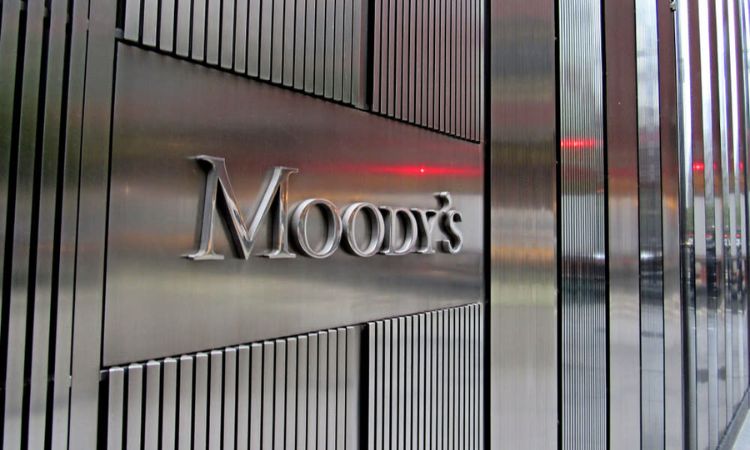
Last month, Moody’s upgraded Pakistan’s sovereign credit rating from Caa1 to B3 while maintaining a stable outlook, citing improvements in governance, the country’s external position and fiscal metrics.
“We have also upgraded the rating for the senior unsecured MTN programme to (P)B3 from (P)Caa1. Concurrently, we maintained the outlook for the Government of Pakistan at stable,” the credit rating agency said.
ALSO READ: Moody’s Upgrades Pakistan’s Credit Rating from CAA1 to B3
Asked what could lead to a further upgrade, Lim said the key would be sustained implementation rather than any single indicator. This would include rebuilding foreign exchange reserves beyond current expectations, continued improvement in access to official and commercial financing, and fiscal reforms that would meaningfully improve debt affordability.
Lim said revenue reforms implemented over the past two years, which had increased revenue as a share of gross domestic product, had already been factored into the latest upgrade. However, further progress would be needed to secure another improvement in the sovereign rating.
Moody’s rating outlooks fall into four categories: positive, negative, stable and developing. A stable outlook indicates a low likelihood of a rating change over the medium term, while the other three categories signal a higher likelihood of a rating change.