Key Points
- Diesel reduced by Rs 134.81 ($0.48) per litre, petrol by Rs 11.83 ($0.04)
- Prices revised after easing in global oil markets
- The government passes the full benefit of the decline to consumers
- Relief expected for transport, agriculture and inflation outlook
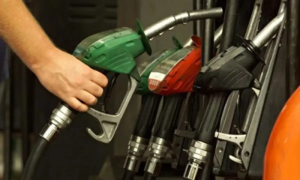
ISLAMABAD: Pakistan has sharply reduced fuel prices after a decline in global oil markets, cutting diesel by Rs 134.81 ($0.48) per litre and lowering petrol prices, following weeks of volatility linked to tensions in the Middle East.
The latest revision comes after two rounds of price increases in March and early April, when global oil markets surged amid conflict involving the United States, Israel and Iran.
The spike had pushed domestic fuel prices to record levels and added pressure on inflation.
According to an official notification, the price of high-speed diesel has been reduced from Rs 520.35 ($1.87) to Rs 385.54 ($1.38) per litre, while petrol has been lowered from Rs 378.41 ($1.36) to Rs 366.58 ($1.32), effective April 11.
The cuts are expected to provide relief to consumers and key sectors, particularly agriculture and transport, which were hit hard by earlier increases driven by global supply concerns, including risks around the Strait of Hormuz.
Announcing the decision, Prime Minister Shehbaz Sharif said the government had decided to transfer the full benefit of falling global prices to the public despite fiscal pressures.
“And today, when there is a decrease in prices, then I consider it my moral and political responsibility that every penny of this decrease should be given to you,” he said in a televised address to the nation.
Sharif said the government had rejected proposals to retain part of the savings from declining oil prices.
The decision was aimed at easing pressure on households and supporting the agricultural sector during the wheat harvest season.
Diesel, a key fuel for farm machinery and freight transport, is expected to see the most immediate impact, with lower costs likely to ease logistics expenses and help moderate food inflation.
Pakistan imports most of its energy needs and remains highly exposed to fluctuations in global oil markets, where recent geopolitical tensions have translated quickly into domestic price changes.
Officials said the latest reduction reflects easing international prices, though analysts caution that volatility may persist depending on the outcome of the high-stakes Islamabad talks between Iran and the US. They say global prices can go further down in case the talks are successful to ease the Middle East and broader supply strains.