Key Points
- Output injected into national grid to support power and industrial demand
- Development strengthens upstream energy security amid LNG import reliance
- Project aligns with broader efforts to boost domestic hydrocarbon production
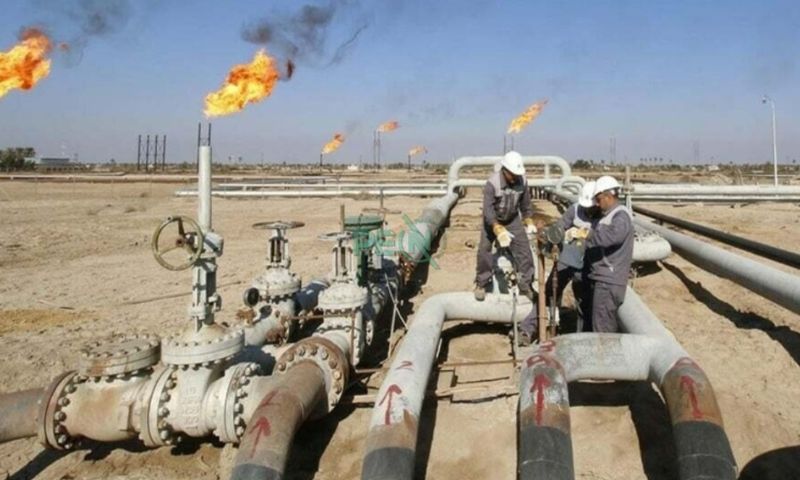
ISLAMABAD: Pakistan has expanded its indigenous energy output with the commencement of production from Spinwam-1 in the Waziristan Block, adding 40 million cubic feet per day (MMCFD) of natural gas and around 220 barrels per day of condensate to the national supply system.
The discovery is a partial relief from the sustained pressure on imported energy in the wake of Iran’s war hostilities in the Strait of Hormuz, the transit route for major oil shipments.
Federal Minister Ali Pervaiz Malik inaugurated the commencement of production from Spinwam-1 in the Waziristan Block, marking a new addition to Pakistan’s domestic gas output as the country seeks to ease pressure on imported liquefied natural gas (LNG) supplies and stabilise its energy balance.
The new well output is expected to be integrated into the national transmission network, contributing to gas availability for industrial consumption, power generation and residential demand during peak usage periods.
The development comes at a time when global energy markets remain exposed to geopolitical tensions, supply chain disruptions and price volatility, particularly in LNG spot markets.
For import-dependent economies such as Pakistan, incremental domestic production is viewed as critical in reducing exposure to external price shocks and foreign exchange pressure.
Officials said Spinwam-1 will add 40 MMCFD of gas and approximately 220 barrels per day of condensate, providing both energy supply support and marginal uplift to domestic hydrocarbon processing streams.
The Waziristan Block, located in Khyber Pakhtunkhwa’s northwestern region, is part of Pakistan’s broader upstream exploration strategy. Pakistan aims to improve energy security by tapping the frontier and underexplored geological zones.
The region has long been identified as holding potential hydrocarbon reserves, though development has progressed gradually due to technical, logistical and security considerations.
Energy planners have been prioritising domestic production expansion as part of a dual strategy that combines indigenous resource development with managed LNG imports to address the structural gap between rising demand and constrained local output.
Further appraisal activity in the Waziristan Block will determine the longer-term production trajectory of Spinwam and surrounding prospects, according to the officials, with additional drilling and seismic evaluation expected to guide future investment decisions.