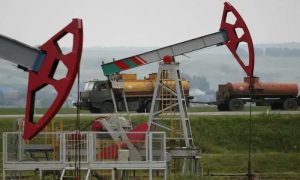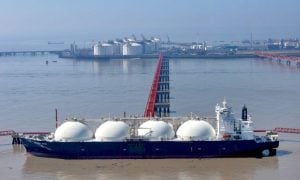
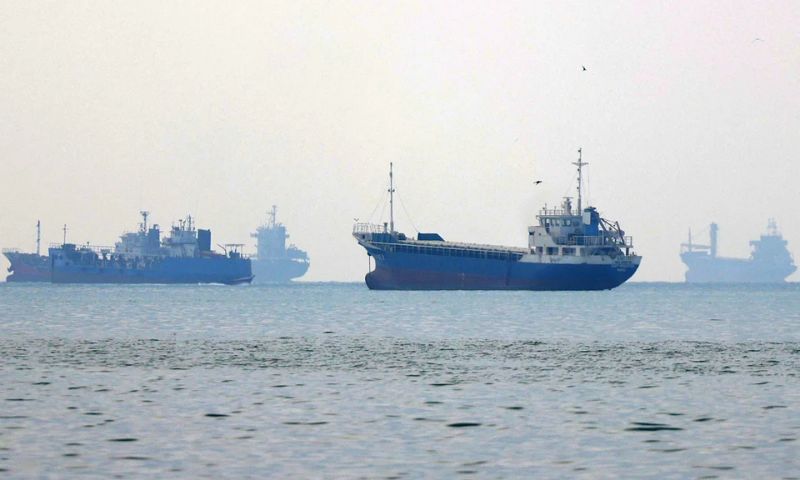
WASHINGTON: The US military’s Central Command (CENTCOM) said Saturday that more than 1 billion barrels of crude oil had shipped through the Strait of Hormuz in recent months under a US military blockade.
“CENTCOM forces have supported more than 1 billion barrels of crude oil leaving the Gulf,” Adm. Brad Cooper said in remarks released by the command on US social media platform X.
Cooper said US forces had also assisted more than 2,000 commercial vessels in transiting the strategic waterway by providing coordinated protection.
He said the main shipping lanes in the strait had been cleared of mines, allowing thousands of vessels to pass through the waterway.
Update from CENTCOM Commander: pic.twitter.com/PTX6n9fn56
— U.S. Central Command (@CENTCOM) September 19, 2026
At the same time, Cooper said Iran had exported “zero barrels” of oil, attributing the halt to what he described as the US “ironclad blockade”.
He said the volume of crude oil, cargo and liquefied natural gas transported through the strait over the past two weeks was higher than at any point during the previous six months.
Cooper added that the US was working with Gulf Cooperation Council countries, insurers and shipping companies to further increase maritime traffic through the Strait of Hormuz, one of the world’s most important energy transit routes.
Oman, Germany discuss Strait of Hormuz navigation
Meanwhile, Oman’s foreign minister has discussed ways to “resume freedom of navigation” in the Strait of Hormuz with his German counterpart.
A readout from Oman’s foreign ministry says Foreign Minister Badr Albusaidi and German Foreign Minister Johann Wadephul have also discussed ways to “reduce tensions and escalation” and enhance regional security.
تلقّى معالي السيد بدر بن حمد بن حمود البوسعيدي @badralbusaidi وزير الخارجية، اتصالا هاتفيا من معالي الدكتور يوهان فاديفول وزير خارجية ألمانيا الاتحادية.
بحث الوزيران عدد من القضايا الإقليمية ذات الاهتمام المشترك وتبادلا وجهات النظر حول السبل الكفيلة باستئناف حرية الملاحة في مضيق… pic.twitter.com/9GkHH9a5I0
— وزارة الخارجية (@FMofOman) September 19, 2026
Uninterrupted energy supplies
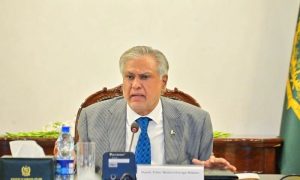
Earlier, Pakistan’s Deputy Prime Minister and Foreign Minister Ishaq Dar stressed the importance of uninterrupted energy supplies in a phone call with Iranian Foreign Minister Abbas Araghchi.
The Foreign Office (FO) on Saturday said the two discussed the latest regional developments. Dar also emphasised the importance of safe and expeditious passage of ships, particularly given their implications for developing countries and global supply chains.
He underscored that dialogue and diplomacy remain the only viable means to ensure peace and stability in the region.
Pakistan urges US, Iran to implement Islamabad MoU
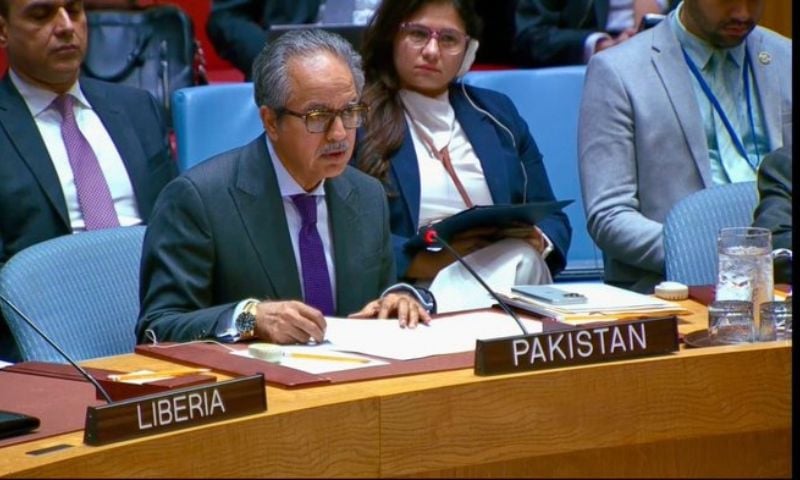
Pakistan on Thursday urged the United States and Iran to implement the commitments agreed under the Islamabad Memorandum of Understanding (MoU) and return to the negotiating table, saying diplomacy remained essential to achieving regional and international peace and security.
ALSO READ: Pakistan Deputy PM Stresses Uninterrupted Energy Supplies in Call with Iranian FM
Speaking at the UN Security Council, Pakistan’s Permanent Representative Ambassador Asim Iftikhar Ahmad said Islamabad continued to advocate diplomatic engagement and a peaceful resolution of outstanding issues related to Iran’s nuclear programme.
“On its part, Pakistan continues with its efforts to promote peace and stability in the region, building upon the solid foundation provided by the Islamabad Memorandum of Understanding,” Pakistan’s Permanent Representative said.
Global trade and food prices at risk
Earlier on Friday, World Trade Organisation (WTO) Director-General Ngozi Okonjo-Iweala said that global trade is facing its most severe disruption in eight decades as supply chain bottlenecks in the Strait of Hormuz threaten to drive up food and fertiliser prices.
Speaking on the sidelines of the WTO’s Public Forum in Geneva, Okonjo-Iweala said the global trading system remained resilient, but the ongoing conflict in the Middle East was posing a major test for the organisation’s 166 member countries.
She noted that global trade in goods had grown by an unexpectedly strong 4.6 per cent this year despite geopolitical pressures, while 72 per cent of global commerce continued to operate under WTO rules.