
Key Points
- Strait of Hormuz disruptions persist
- Analysts warn of further upside risks
ISLAMABAD: Oil, chiefly Brent North Sea crude, climbed above $95 a barrel on Wednesday, reaching its highest level in nearly six weeks as escalating conflict in the Middle East heightened concerns over oil supplies and tanker movements through critical maritime chokepoints.
According to Vanguard News, Brent futures briefly traded above the $95 mark during Asian and European trading hours, extending gains recorded earlier Wednesday.
US benchmark West Texas Intermediate (WTI) also advanced sharply, reflecting growing anxiety among traders over the possibility of a prolonged disruption to energy flows from the region, according to The Wall Street Journal.
Oil traffic through waterways below normal
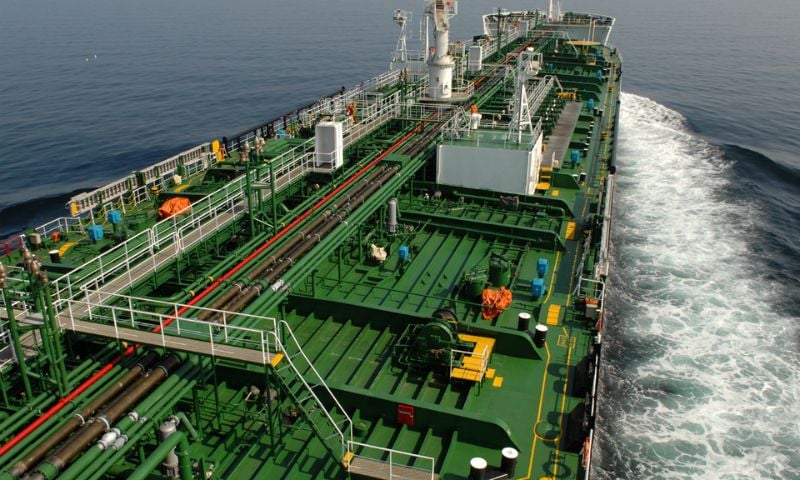
The latest rally comes amid intensifying hostilities involving Iran and the United States, with shipping activity through the Strait of Hormuz and the Bab el-Mandeb Strait remaining well below normal levels.
The Strait of Hormuz alone handles roughly one-fifth of global oil consumption, making any threat to its operations a major concern for international markets.
Market participants have increasingly priced in geopolitical risk premiums as attacks on commercial vessels and warnings from regional actors add to uncertainty.
Several tankers have reportedly altered routes or delayed transit through the Arabian Gulf, raising transportation costs and tightening supply expectations.
ALSO READ: Volatile Oil Rebounds 2% After Fresh US Strikes on Iran
The move above $95 marks a significant rebound from levels seen earlier this month, when hopes of mediation efforts briefly eased pressure on energy markets.
Analysts say oil could test the psychologically important $100-a-barrel threshold if the war continues to escalate or if shipping disruptions intensify, according to the Financial Times.
Investment banks and energy consultancies have warned that prolonged instability could have severe economic consequences, including higher inflation and increased fuel costs for consumers worldwide.
Refining margins in Asia, Europe and the United States have already risen as buyers compete for available cargoes.
The surge in crude prices has also weighed on global equities, particularly in Asia. The Asian import-dependent economies such as Japan, South Korea and India, and Pakistan remain vulnerable to sustained increases in energy costs.
Safe-haven assets, including the US dollar and gold, have attracted additional investor interest as geopolitical tensions persist.
Despite the recent gains, some analysts note that oil markets remain highly sensitive to diplomatic developments.
Any indication of a ceasefire or reopening of key shipping lanes could trigger a sharp reversal, similar to previous episodes of volatility witnessed during the current conflict, according to Barron’s.