
Key Points
- Brent rises above $92 a barrel
- WTI trades above $85 a barrel
- Markets price in geopolitical risks
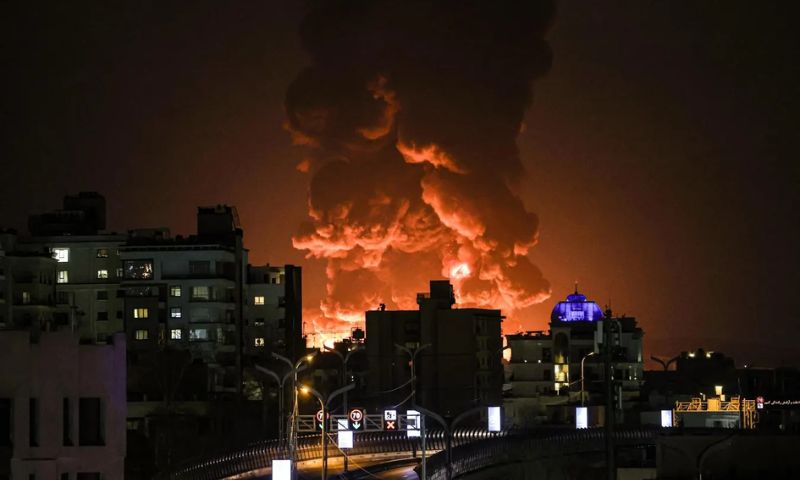
ISLAMABAD: Oil prices swung sharply on Wednesday after the United States announced a new round of strikes against Iranian targets, raising concerns about disruptions to energy supplies from the Middle East and adding fresh uncertainty to global financial markets.
Brent crude futures climbed above $92 per barrel. Meanwhile, US West Texas Intermediate crude traded above $85 per barrel, rebounding from a decline during the previous two sessions as investors assessed the risk of a wider regional conflict.
The latest US strikes marked another escalation in tensions between Washington and Tehran, prompting traders to reprice geopolitical risks after earlier hopes of diplomacy had helped push oil prices lower in recent weeks.
Analysts said markets remain particularly sensitive to any threat to key maritime routes used for transporting crude from the region.
Attention has centred on the Strait of Hormuz, through which roughly a fifth of the world’s oil supplies pass, as well as shipping lanes in the Red Sea. Concerns have also intensified over higher tanker insurance costs and the possibility of supply disruptions if hostilities continue to expand.
ALSO READ: Oil Prices Dip as Pakistan-led Mediation Efforts Offset US-Iran Hostility
Oil benchmarks have experienced significant volatility this month. Brent had retreated to the low-$70 range during periods of reported mediation efforts and indirect contacts between the United States and Iran. However, renewed military action has restored a sizeable geopolitical premium to the market.
Oil market waits for US data
Market participants are now awaiting US government data on crude inventories for further indications of demand trends. At the same time, investors continue to monitor statements from Washington, Tehran and regional governments for signs of either de-escalation or further military activity.
Energy analysts have warned that a prolonged conflict involving major oil-producing nations or disruptions to shipping through the Arabian Gulf could lead to a sharper rise in prices. Some forecasts suggest crude could test the $100-per-barrel level if tensions persist and physical supplies are affected.
The latest gains in oil prices also weighed on investor sentiment in parts of Asia, where higher energy costs are seen as a potential headwind for economic growth and inflation. Central banks across major economies are expected to closely watch developments, given the implications for consumer prices and monetary policy.
Despite the increase, traders said oil markets remain headline-driven, with prices likely to remain volatile in the near term as geopolitical developments continue to unfold across the Middle East.