
Key Points
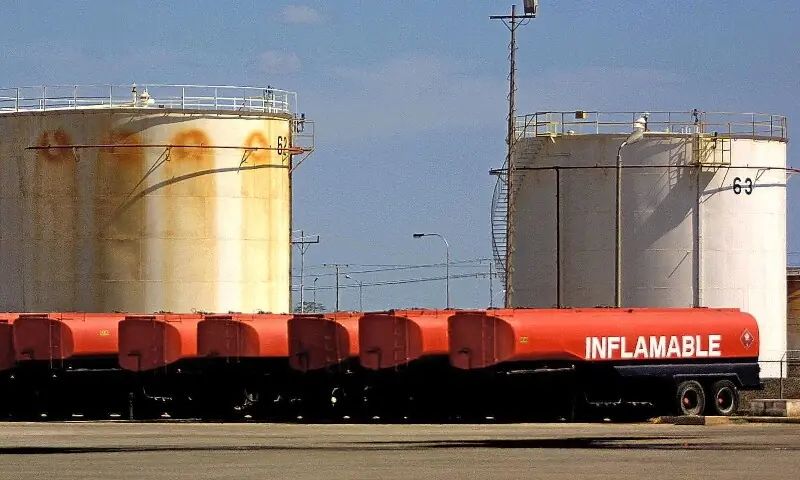
- Uncertainty over oil shipments through the Strait of Hormuz, military escalation and tighter supply expectations underpin prices
- Traders are monitoring US inventory data
- Diplomatic efforts for US-Iran peace contained gains
- Market awaits upcoming OPEC+ meeting for further direction
ISLAMABAD: Global oil prices rose on Wednesday as persistent concerns over Middle Eastern supply disruptions, shipping insecurity and the risk of further military escalation supported the market.
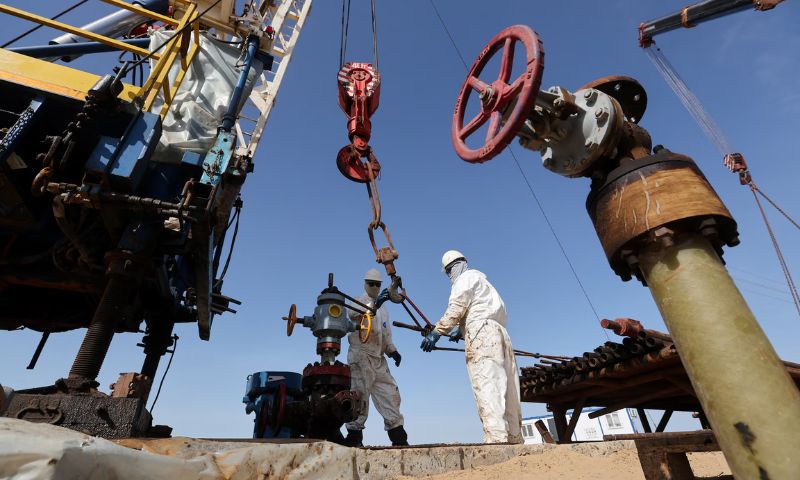
Brent crude futures rose to $115.10 a barrel, up $1.22, or 1.07 per cent, while US West Texas Intermediate (WTI) gained 96 cents, or 0.96 per cent, to $100.90 in later Asian trading.
Earlier reporting cited Brent at $115.36 and WTI at $101.12 at 0140 GMT. The different quotations reflect price movements early during the trading session.
The rebound followed a nominal downward technical correction, which traders call a profit-taking of nearly $2 a barrel on Tuesday.
The swings reflect how quickly sentiment can shift, as traders respond to diplomatic developments and fresh security concerns. The latest gains also reflect a trade-off between immediate geopolitical risks and longer-running concerns about crude’s availability and transport.
Oil supply risks extend beyond individual attacks
The Strait of Hormuz is a critical concern for the global oil market because it is one of the world’s key routes for international energy shipments.
Even without a complete interruption, reduced shipping flows can tighten the market by making available crude harder and more expensive to transport.
READ ALSO: Pakistan Cuts Petrol Price by Rs3.19 Per Litre, Hikes Diesel By Rs2.25 Per Litre
More broadly, the market remains sensitive to attacks on energy facilities and commercial vessels because disruptions can affect both immediate deliveries and expectations about future supply.
The possibility of further incidents has helped sustain a geopolitical risk premium in prices.
Oil inventories and shipping costs add to prices
Inventory trends are another important factor shaping the outlook. The US Energy Information Administration has warned that global oil inventories were declining and projected further reductions in the final quarter of 2026.
Lower stocks leave the market less able to absorb an unexpected supply disruption without a price response.
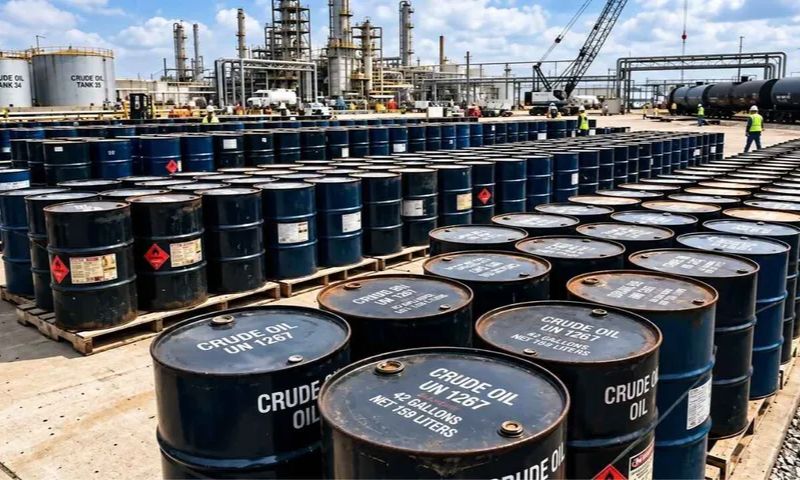
US inventory figures will therefore be closely watched for evidence of whether domestic crude stocks are rising or falling.
A larger-than-expected increase could indicate improved availability and limit price gains. On the other hand, a substantial drawdown could reinforce concerns about tighter conditions.
Shipping costs also matter. Higher tanker rates, war-risk insurance premiums and longer or less direct routes can raise the delivered cost of crude even when production continues.
These additional expenses can feed into prices for refined products, including diesel, jet fuel and petrol.
The market must also consider supply decisions by the Organisation of the Petroleum Exporting Countries and its allies, known as OPEC+.
The group was expected to maintain its December production targets at its November 1 meeting.
However, official production targets do not necessarily translate into equivalent increases in actual supply, particularly when members face operational constraints or export disruptions.
Outlook, diplomacy and actual supply flows
Oil prices are likely to remain volatile as traders assess the durability of diplomatic efforts involving Iran, the security of major shipping routes and the extent of any actual supply losses.
Progress towards a lasting reduction in hostilities could ease transportation risks and reduce the geopolitical premium embedded in prices.
Conversely, further attacks on shipping or energy infrastructure, or a sustained decline in exports through critical routes, could trigger renewed gains.
The market will also look for confirmation of changes in production, refinery operations and inventory levels before determining whether the latest increase can be sustained.
For now, the rebound reflects persistent shipping risks, concerns about tightening inventories and uncertainty over regional security.