
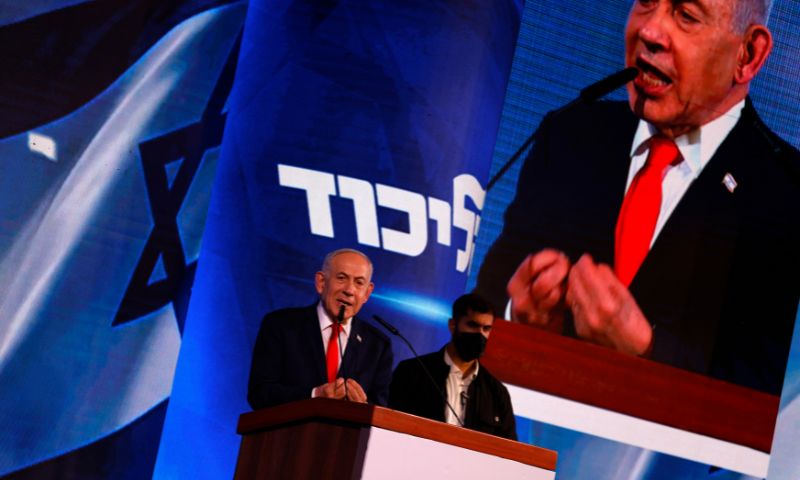
JERUSALEM: Israel’s Prime Minister Benjamin Netanyahu and his right-wing alliance have suffered a major electoral setback, failing to secure the parliamentary majority needed to form the next government.
According to Israeli media, opposition parties collectively secured 67 seats, while Netanyahu’s alliance won only 53, falling short of the 61 needed for a majority in the 120-member Knesset.
The result marks a significant decline for Netanyahu compared with the 2022 election, when his coalition secured 64 seats.
No bloc secured the 61 seats required for a parliamentary majority, raising the prospect of weeks of negotiations to form a government capable of surviving.

The election results came amid dispute over allegations that Arab political groups had received foreign funding to influence the vote. Netanyahu’s allies amplified the claims on Thursday, but both Arab party groupings and Qatar rejected the accusations.
Israel’s domestic security agency, Shin Bet, said it was investigating suspected irregularities but stressed that the inquiry was not intended to cast doubt on an entire community that had voted lawfully.
The electoral commission also dismissed suggestions of widespread problems with the vote. Its acting director general, Dean Livne, described claims of widespread irregularities as “entirely groundless”.
The dispute centred on allegations that Raam had received money from Qatar to finance vote-buying operations. “The Raamgate scandal is a political earthquake. Israel’s elections have been stolen!” Likud alleged on Thursday.
Raam leader Mansour Abbas denied wrongdoing and welcomed an investigation. The Joint List, meanwhile, accused Netanyahu and his allies of conducting a campaign of incitement out of concern over the growing political influence of Arab voters.
Officials have so far provided no evidence to substantiate the allegations. Opposition figures accused Netanyahu of trying to undermine public confidence in the election results after failing to secure a governing majority.
READ ALSO: Israeli Exit Polls: No Clear Winner in Pivotal General Election
“He is trying to challenge the election results,” left-wing candidate Yair Golan said. Eisenkot said Shin Bet and the electoral commission had briefed him, adding that it was too early to determine whether any irregularities had occurred.
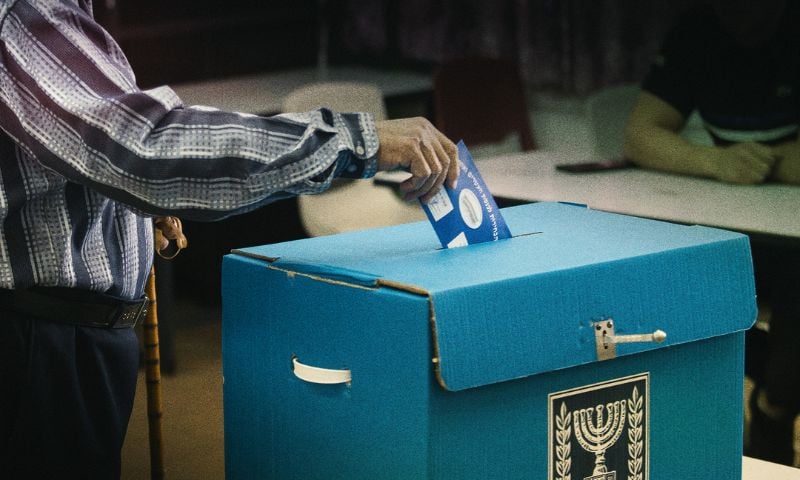
However, he accused Likud and Netanyahu of launching a coordinated campaign to delegitimise the election results. Netanyahu has also faced scrutiny over previous allegations involving Qatar.
Last year, two of his aides were arrested over allegations that they had received payments from the Gulf state. Qatar described the latest accusations as “ridiculous and dangerous”.
Arab parties face pressure
Yousef Jabareen, head of the Joint List, said that he was willing to cooperate with the opposition to remove Netanyahu from power but would not join an opposition-led government.

During the election, Netanyahu alleged that Arab parties had been caught with envelopes of cash, while Likud continued to promote claims of electoral fraud on Thursday. Police said they had arrested three suspects, but the electoral commission described the case as an isolated local incident.
The election outcome leaves Netanyahu facing a difficult path to forming a government, with the Arab parties potentially holding the balance of power in the negotiations.