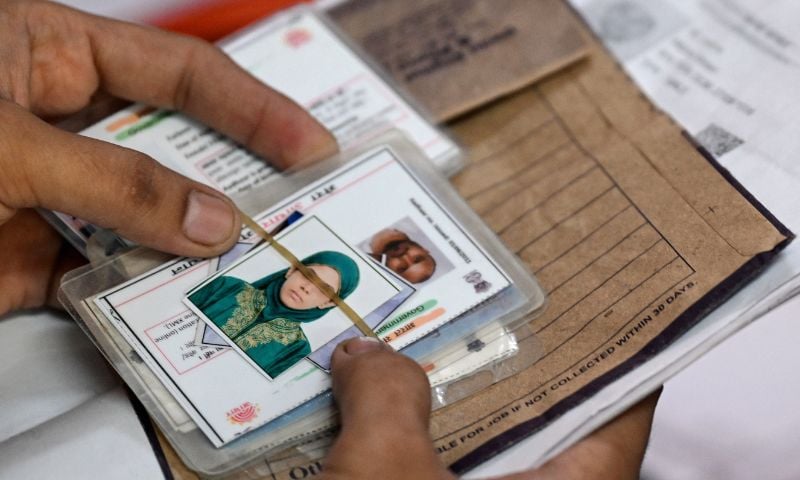
NEW DELHI, India: Millions of Indians are struggling to prove their eligibility to vote under a nationwide electoral roll revision that has removed more than 133 million names, prompting protests and allegations that the exercise disproportionately affects Muslims, women and poorer communities.
The figures, reported by Indian media and cited by opposition parties in court filings, include 28 million people recorded as deceased.
India’s Election Commission (ECI) says the Special Intensive Revision (SIR) is a lawful exercise intended to update voter records and ensure their accuracy. It has rejected allegations that the process is politically motivated.
Opposition parties and rights campaigners, however, warn that the requirements could prevent eligible citizens from voting, particularly those who lack older identity and family records.
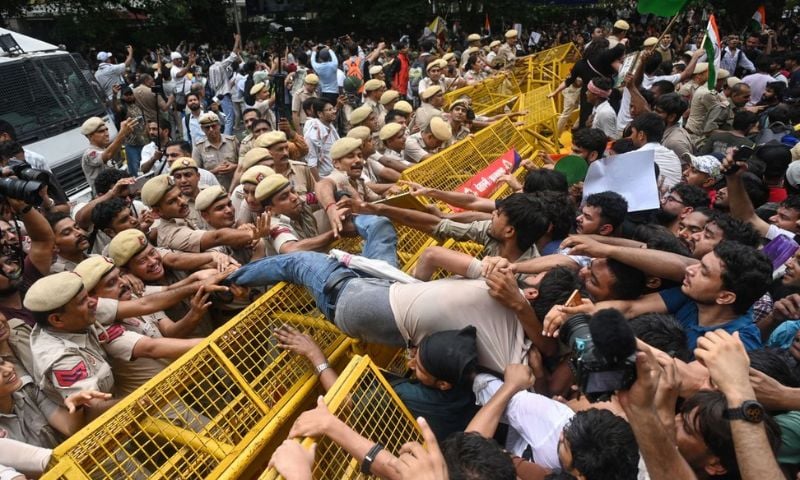
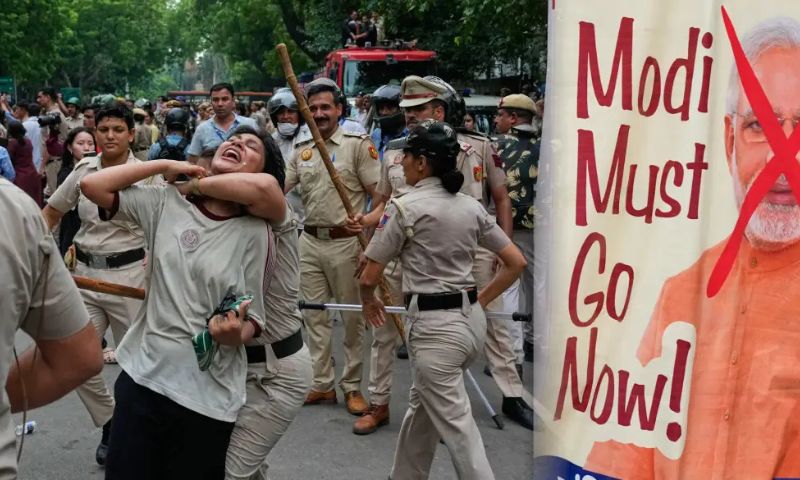
Protests have taken place in New Delhi, with demonstrators demanding the resignation of the chief election commissioner and accusing the exercise of favouring Prime Minister Narendra Modi’s Bharatiya Janata Party (BJP).
Document Requirements
Under the revision, voters must establish a connection to electoral rolls dating from 2002–03, either through their own records or those of their parents or grandparents.
The requirement has created difficulties for people who were too young to vote at the time or whose family records are missing.
Laddli Khatun, 39, who lives in a Delhi slum, told AFP that she had submitted several documents but remained uncertain whether she would retain her voting rights.
“My parents died when I was a baby,” she said during a hearing to verify voter credentials.
“They were poor unlettered people who left no documents behind.”
Transparency activist Anjali Bhardwaj said the requirements placed a disproportionate burden on vulnerable groups.
“Women, minorities, people living at the margins and the poorest are the worst hit by this exercise, because they find it very difficult to produce documents which can prove their citizenship,” she told AFP.
Former election commissioner Ashok Lavasa questioned the decision to require previously registered voters to establish their eligibility again.
“It was never that you asked people wholesale to establish their eligibility all over again… after they have been admitted to the rolls through the prescribed due process,” he said.
Voters Removed
Some voters have been removed from draft electoral rolls after officials were unable to locate them at their registered addresses.
Surajmukhi, a Delhi resident who lost her home during a slum demolition, was classified as “untraceable” despite having voted in previous elections.
“I have no document to link myself to the 2002 voter rolls, because at the time I was not enrolled as a voter, and my parents are long dead,” she told AFP.
“But I have voted multiple times since — the officials themselves came to our home and enrolled us as voters. What has suddenly changed?”
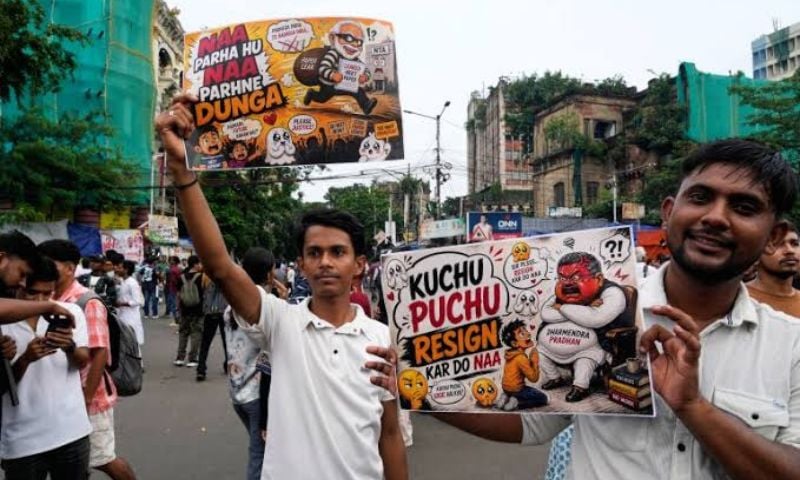
Election officials have acknowledged that the verification process can be difficult for people with limited education or access to technology.
“Mapping yourself to the 2002 voter lists is not easy for those who are not educated and technologically savvy,” said Mukesh Khanna, a booth-level election officer in a Delhi suburb.
Special assistance camps have been established, but many voters continue to face difficulties completing the requirements.
Minorities Affected
The revision has also prompted concern over automated checks used by the Election Commission to identify inconsistencies in voter records.
Millions of people have reportedly been flagged for additional verification because of what the commission describes as “logical discrepancies”, including differences in names and family details.
An analysis by The Hindu newspaper found that Muslims accounted for about 20% of voters flagged for additional checks in Delhi, although they represented 13.6% of the electorate.
The Kolkata-based Sabar Institute reported an even greater disparity in West Bengal.
Critics say such findings raise questions about whether the verification process disproportionately affects minority communities.
Shahida, a 42-year-old street cleaner, received a notice because official records showed that her mother was only 15 years older than her.
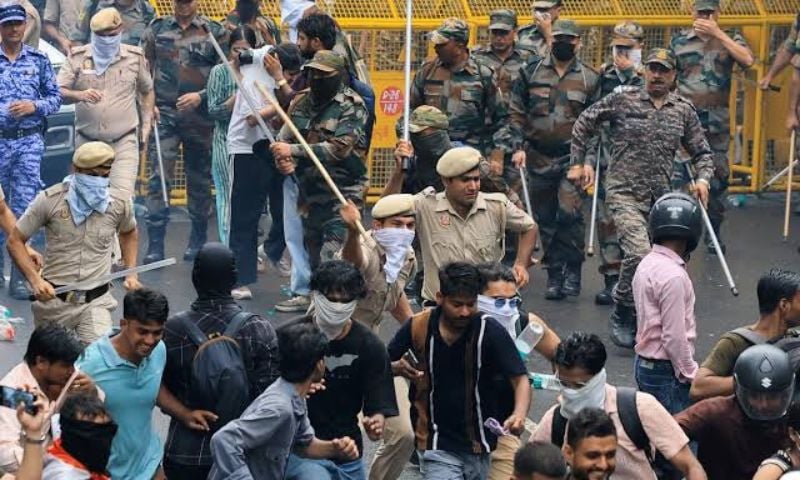
The automated system classified the age difference as suspicious.
“What am I expected to do — go back in time and ask my dead grandparents why they got my dead mother married so young?” she told AFP.
“The reality is child marriages were common among the poor at the time.”
National rugby player and actor Aslam, 24, who uses one name, also received a notice after the system flagged six other people linked to his deceased father.
“It is clearly targeted against voters who don’t vote for the BJP,” he alleged.
“It almost feels like the idea is to create a category of second-class citizens.”
Citizenship Concerns
The BJP has defended the electoral roll revision, arguing that stronger verification is necessary to prevent ineligible voters, including undocumented migrants from Bangladesh, from appearing on voter lists.
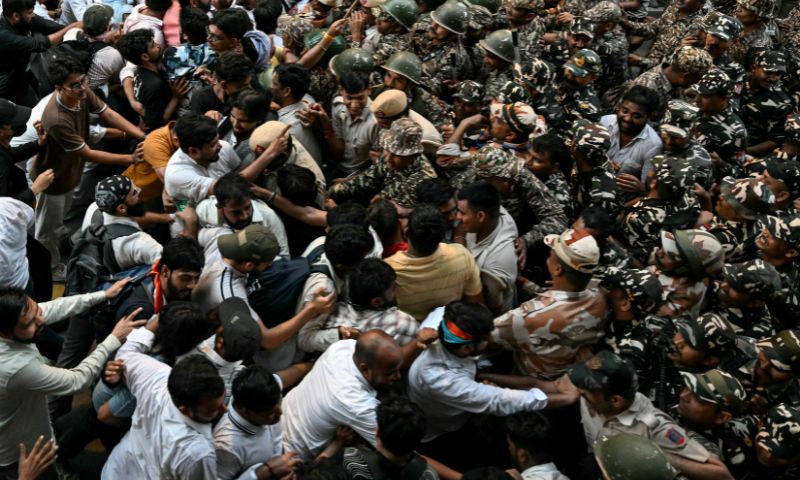
The party has repeatedly raised concerns about alleged fraudulent registrations involving undocumented migrants, particularly Muslims.
The Supreme Court has clarified that exclusion from electoral rolls does not, by itself, establish that a person is a foreign national.
However, Indian media have reported cases in West Bengal in which people removed from voter lists were subsequently accused of being undocumented Bangladeshi migrants, detained and, in some instances, sent across the border.
Rights campaigners fear that the electoral verification process could have consequences extending beyond the right to vote.
For Khatun, the uncertainty remains despite repeated attempts to establish her eligibility.
“I have provided document after document, everything that I have,” she said.
“But what if they still ask us to leave the country?”