
Key Points
- Khyber Pakhtunkhwa’s orchards and farms face rising temperatures, floods and water stress.
- Warming winters could disrupt flowering and fruit development in temperate orchards.
- Pakistan’s wheat, rice, cotton and other crops face climate-related pressures.
PESHAWAR, Pakistan: From the peach orchards of Swat to the rain-fed farms of northern Khyber Pakhtunkhwa (KP), climate change is threatening the agricultural systems that sustain rural livelihoods, as rising temperatures, erratic rainfall, water stress and extreme weather events increasingly challenge crop production across the province.
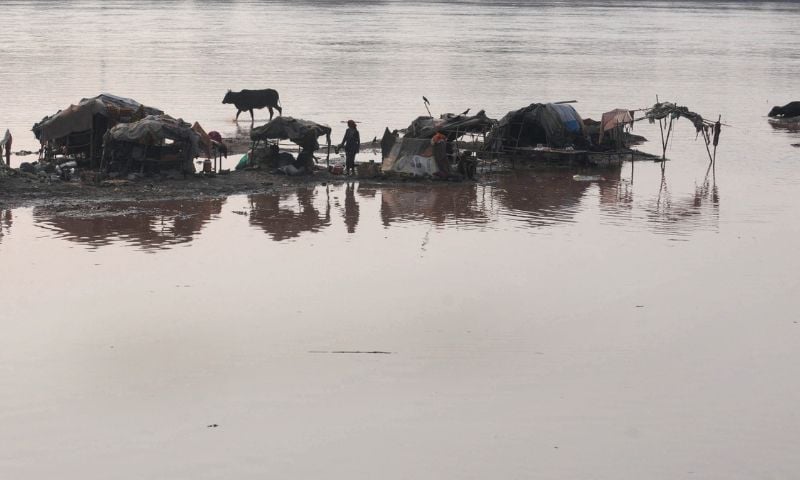
The risks extend from temperate fruit-growing valleys to the hotter agricultural districts of southern Khyber Pakhtunkhwa, where farmers face different combinations of heat, irrigation needs and unpredictable rainfall. Floods and landslides can wash away fertile soil and destroy standing crops, while warmer winters may disrupt the flowering and fruiting cycles of orchards.
The challenges facing Khyber Pakhtunkhwa are part of a wider national problem. Across Pakistan, climate change threatens wheat, rice, cotton, vegetables and fruit production, with implications for food security, agricultural exports and the incomes of millions of people who depend on farming.
A province under pressure
Khyber Pakhtunkhwa’s varied geography makes its agricultural sector particularly exposed to climate-related hazards. Its mountainous districts face flash floods, landslides, soil erosion and changing winter conditions, while farmers in the plains must contend with rising temperatures, variable rainfall and pressure on water supplies.
The province’s northern districts support temperate fruits, including apples, peaches, plums, apricots and persimmons. Other areas produce vegetables, potatoes, citrus and a range of crops suited to their local conditions.
These agricultural systems depend on relatively predictable seasonal patterns. Changes in temperature and rainfall can affect planting dates, flowering, pollination, irrigation requirements and the timing of harvests.
Extreme weather adds another layer of uncertainty. Intense rainfall can damage fields and irrigation channels, while flash floods can destroy orchards, roads and other infrastructure needed to transport produce to markets. Drought and declining soil moisture, meanwhile, can reduce yields and increase production costs.
The effects can extend beyond a single harvest. Damaged fruit trees may take years to recover or replace, leaving growers without their usual income while they rebuild their orchards.
The province’s exposure to flooding was demonstrated in 2010, when floods caused an estimated $1.1 billion in damage across Khyber Pakhtunkhwa, including $96 million in agricultural damage and losses, according to a provincial government sector report.
These figures relate to that particular disaster and should not be interpreted as estimates of current annual losses. They nevertheless illustrate the potential economic consequences when extreme weather strikes an agriculture-dependent region.
Swat’s peach economy
Peach production illustrates the importance of climate-sensitive horticulture to Khyber Pakhtunkhwa’s rural economy.
According to the provincial government’s fruits and vegetables sector report, Khyber Pakhtunkhwa produced 69,417 tonnes of peaches from 10,081 hectares in 2020-21. Swat accounted for 48,200 tonnes of that output.
The figures are historical rather than current production estimates, but they demonstrate the scale of the province’s dependence on a fruit crop whose productivity is influenced by temperature, winter conditions, rainfall and orchard management.
Many temperate fruit varieties require a certain amount of winter chilling to flower and produce fruit normally. Warmer winters can reduce the accumulation of the cold exposure required by particular varieties, potentially affecting flowering, pollination and fruit set.
Higher temperatures can also contribute to premature flower or fruit drop, fruit-quality problems and greater irrigation requirements. Changes in rainfall and humidity can influence pest and disease pressures, although the effects vary by crop and location.
These risks are not limited to peaches. Apples, plums, apricots and other temperate fruits grown in Khyber Pakhtunkhwa may also face changing growing conditions, depending on their varieties, elevation and local climate.
The consequences could affect growers’ incomes, seasonal agricultural labour and the traders and transporters who depend on reliable harvests. Lower yields or poorer-quality produce can also reduce market value, particularly when farmers lack suitable storage and transport facilities.
Upper Dir’s warning
Research from Upper Dir provides further insight into the changing environmental conditions facing agriculture in northern Khyber Pakhtunkhwa.
A study published in Scientific Reports in 2025 examined climatic parameters using Pakistan Meteorological Department data for 2002-23. It reported substantial rainfall variability and changes in temperature and other indicators relevant to agriculture and water resources.
The study reported an approximately 2°C rise in mean temperature, a two per cent annual decrease in rainfall, a six per cent decline in soil moisture and a 21 per cent reduction in water discharge over the period examined.
The findings suggest increasing pressure on water availability and agricultural sustainability in the study area. However, they should be interpreted within the study’s geographical and methodological limits; the reported changes cannot automatically be applied to every district of Khyber Pakhtunkhwa or treated as proof that climate change alone caused each observed variation.
For farmers, the practical implications of changing rainfall and soil moisture can be significant. Crops need water at particular stages of development, and shortages during flowering, grain formation or fruit development can reduce productivity.
The findings reinforce the importance of local weather monitoring, watershed management, soil conservation and agricultural planning based on changing environmental conditions rather than historical averages alone.
Pakistan’s wider food challenge
The pressures confronting Khyber Pakhtunkhwa reflect a national agricultural challenge. Pakistan depends on its farms for staple foods, industrial raw materials, exports and rural employment, making climate-related disruption a concern for the wider economy.
The country’s National Adaptation Plan 2023 identifies agriculture and the food system as major priorities for adaptation. It warns that climate change can affect crop growth cycles, alter sowing and harvesting times and increase exposure to floods and droughts.
The plan cites projections that production of key crops could be 14 to 50 per cent lower under climate change than under a scenario without climate change.
This is a projected range, not a prediction that all crops will suffer identical declines. Actual impacts will depend on future warming, rainfall, crop varieties, irrigation availability, farming practices and the effectiveness of adaptation.

Pakistan’s agricultural productivity also faces challenges that predate current climate pressures. The National Adaptation Plan notes that yields of major crops are already below their potential, highlighting the need to address longstanding weaknesses alongside emerging climate risks.
Higher temperatures can accelerate crop development and shorten the time available for plants to mature. Heat stress during critical growth stages can reduce grain formation, while irregular rainfall can disrupt sowing and leave crops short of water.
Wheat is particularly important because it is Pakistan’s staple food crop. Heat near the end of the growing season can affect grain filling and final yields. Rice, cotton, maize, vegetables and other crops face different risks depending on local growing conditions and their sensitivity to temperature and water availability.
Cotton production is especially significant to Pakistan’s textile industry. Heat stress, water shortages and changing pest pressures can compound existing production challenges.
Climate change is not the sole cause of agricultural underperformance. Inadequate research, inefficient irrigation, soil degradation, limited extension services and restricted access to quality inputs can also reduce yields. However, changing climatic conditions can intensify these weaknesses.
Low emissions, high costs
Pakistan’s climate vulnerability presents a stark global paradox: despite contributing less than one per cent of global greenhouse gas emissions, the country faces a disproportionate share of climate-related destruction.
The government’s Pakistan Economic Survey 2025-26 says Pakistan contributed just 0.4 per cent of historical emissions, while the country’s exposure to extreme weather has intensified.
The devastating 2022 floods affected 33 million people, killed more than 1,700 and caused over $30 billion in damage and economic losses, with agriculture and livestock among the hardest-hit sectors.
More recently, the 2025 monsoon floods killed more than 1,039 people, displaced over four million and caused an estimated Rs822 billion in damage, according to the Economic Survey.
Khyber Pakhtunkhwa was particularly hard hit by deadly flash floods and landslides, including the August 2025 disaster in which hundreds died in the province.
In February 2026, the federal climate change minister said Pakistan was losing almost one per cent of its gross domestic product annually to climate-related damage. Although no single flood or extreme weather event can be attributed solely to climate change, rising temperatures can intensify heavy rainfall, heatwaves and other hazards, while exposure, vulnerable infrastructure and inadequate preparedness magnify the destruction.
For Pakistan’s farmers, these disasters mean more than damaged homes and roads: they can wipe out crops, kill livestock, erode fertile soil, destroy irrigation systems and leave farming families without income for an entire season.