
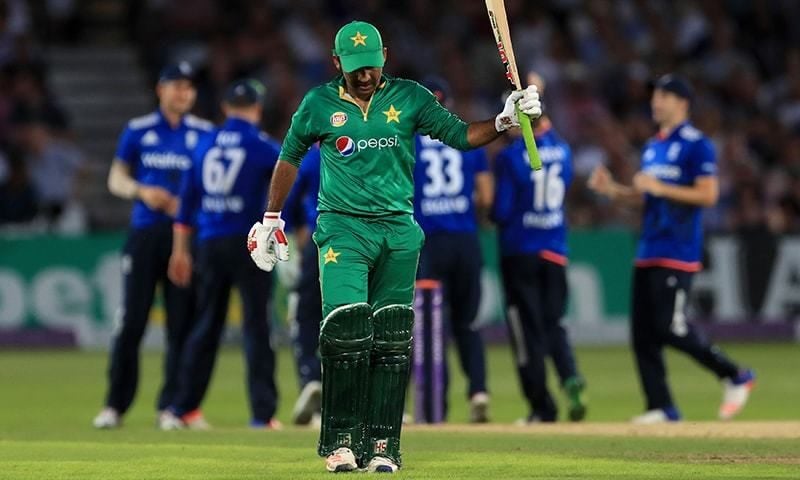
ISLAMABAD: More than half a century ago, Pakistan and England met at Trent Bridge in Nottingham for their first One-Day International. The match took place on August 31, 1974, at a time when limited-overs cricket was still establishing its place alongside the traditional Test format.
England scored 244-4, with David Lloyd making an unbeaten 116. Pakistan responded with 246-3 in 42.5 overs, winning by seven wickets as Majid Khan struck 109.
Originally scheduled for 55 overs per side, the contest was reduced to 50 because of rain.
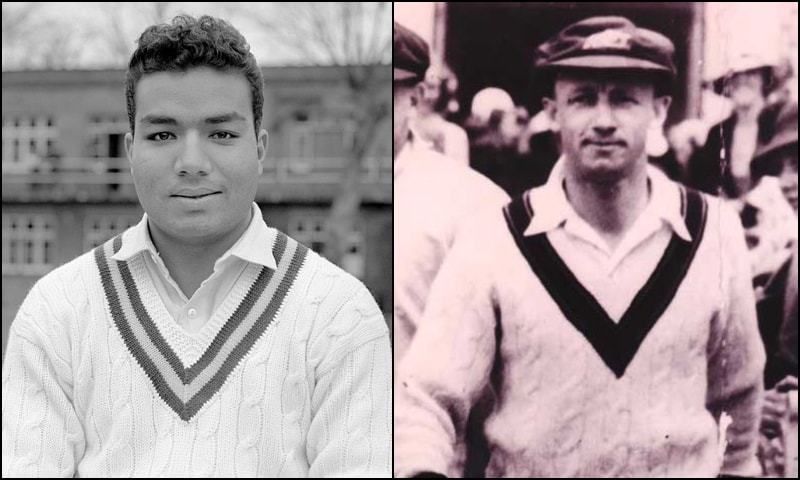
Few watching that afternoon could have anticipated how much one-day cricket would change, or how many memorable encounters the two countries would produce over the following decades.
As Pakistan and England meet again in the ODI tri-series in October 2026, their rivalry offers a window into the evolution of a format shaped by new tactics, extraordinary players and some of international cricket’s most important tournaments.
The 1970s: Pakistan Make an Early Statement
Pakistan’s victory in 1974 was significant beyond the result.
The country was still developing its identity in international limited-overs cricket, and defeating England away from home provided an encouraging beginning.
Majid Khan’s century demonstrated the attacking possibilities of the emerging format, while the presence of players such as Zaheer Abbas and Imran Khan pointed towards the talent that would influence Pakistan cricket in the years ahead.
Unlike today’s ODI contests, which regularly feature aggressive scoring throughout an innings, the early years placed greater emphasis on preserving wickets and building partnerships.
Batters often approached the first half of an innings cautiously before accelerating towards the finish.
The format was new, but Pakistan had already shown it could compete effectively against England.
The 1980s: Pace, Spin and Growing Ambition
By the 1980s, one-day cricket had become an established part of the international calendar.
Pakistan’s bowling strength was increasingly central to its success.
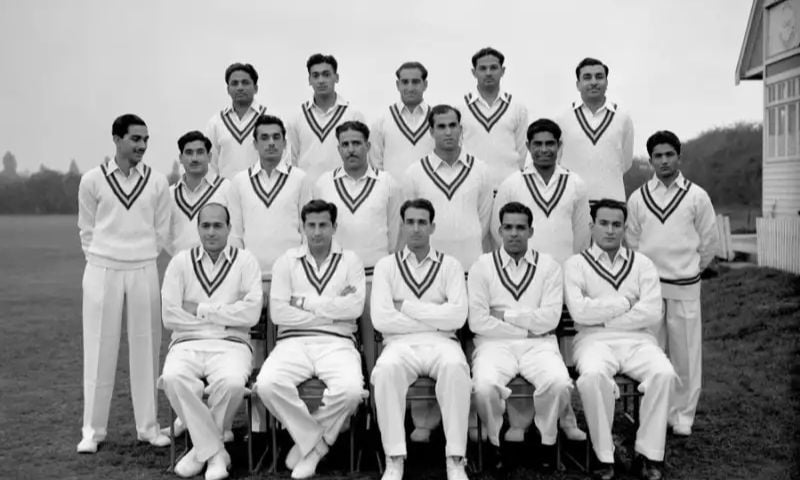
Imran Khan’s leadership, Abdul Qadir’s leg-spin and the emergence of Wasim Akram gave Pakistan different ways to challenge England’s batting.
Their meetings during the 1987 World Cup illustrated that development.
Pakistan defeated England twice in the tournament, first by 18 runs in Rawalpindi and then by seven wickets in Karachi.
These victories came during a period when Pakistan was becoming a more consistent contender in major international competitions.
The rivalry was also becoming more tactical.
ALSO READ: Pakistan to Face England on Tuesday in Home ODI after 21 Years
Field placements, bowling changes and the management of overs mattered increasingly, while captains had to balance wicket-taking opportunities with the need to restrict scoring.
For Pakistan, the combination of pace and spin became an important part of its one-day identity.
1992: A World Cup Final That Defined a Generation
The most celebrated ODI encounter between the two countries came on March 25, 1992, at the Melbourne Cricket Ground.
Pakistan, led by Imran Khan, defeated England by 22 runs to win their first men’s Cricket World Cup.
After slipping to 24-2, Pakistan recovered through a crucial partnership between Imran Khan and Javed Miandad.
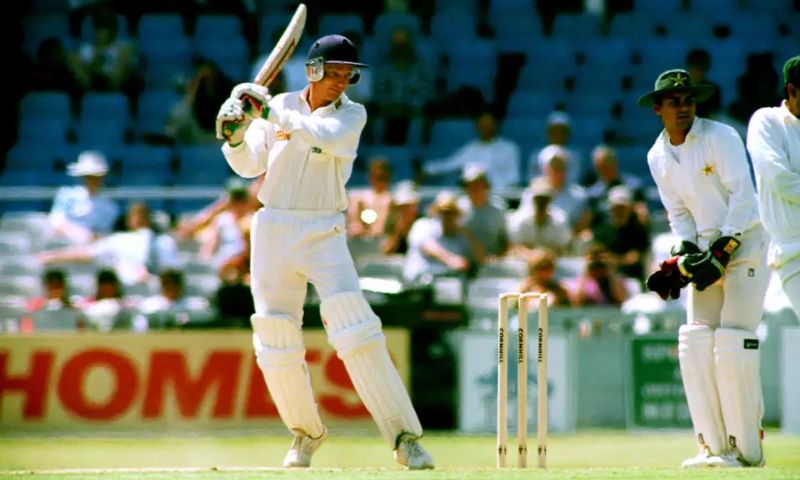
Imran scored 72 and Miandad contributed 58 before Inzamam-ul-Haq and Wasim Akram provided valuable late runs.
Pakistan finished on 249-6.
England’s chase was disrupted by Akram, whose spell included the dismissals of Allan Lamb and Chris Lewis with successive deliveries.
Akram finished with 3-49, and England were bowled out for 227.
For Pakistan, the victory became one of the defining moments in the country’s sporting history.
For the rivalry, it established a lasting connection with the biggest stage in ODI cricket.
The final also demonstrated the importance of adapting to pressure. Pakistan had endured a difficult start to the tournament before recovering to become world champions.
The 1990s and 2000s: Changing Generations
The years following Pakistan’s World Cup triumph brought new players and different competitive challenges.
Pakistan continued to draw strength from fast bowling, particularly through Wasim Akram and Waqar Younis, while batters such as Saeed Anwar and Inzamam-ul-Haq became influential figures in the ODI side.
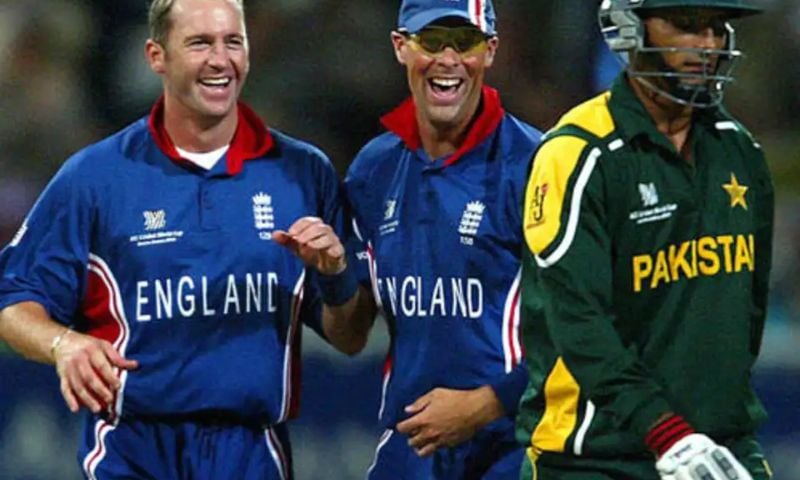
England, meanwhile, sought to develop a more effective limited-overs approach as international cricket became increasingly specialised.
The countries produced contrasting World Cup results.
Pakistan defeated England by seven wickets in Karachi during the 1996 tournament, with Saeed Anwar scoring 71 and Ijaz Ahmed contributing 70.
England responded emphatically at the 2003 World Cup in Cape Town, winning by 112 runs.
James Anderson, then in the early stages of his international career, claimed four wickets for 29 runs as Pakistan were dismissed for 134.
The result illustrated how the rivalry continued to evolve through changing generations.
Players who had dominated earlier encounters were giving way to new names, while bowling plans, fielding standards and batting expectations were becoming increasingly sophisticated.
The 2010s: England Reinvent Their ODI Cricket
The most significant transformation in England’s modern one-day cricket came after the 2015 World Cup.
Following a disappointing campaign, England adopted a more aggressive batting approach.
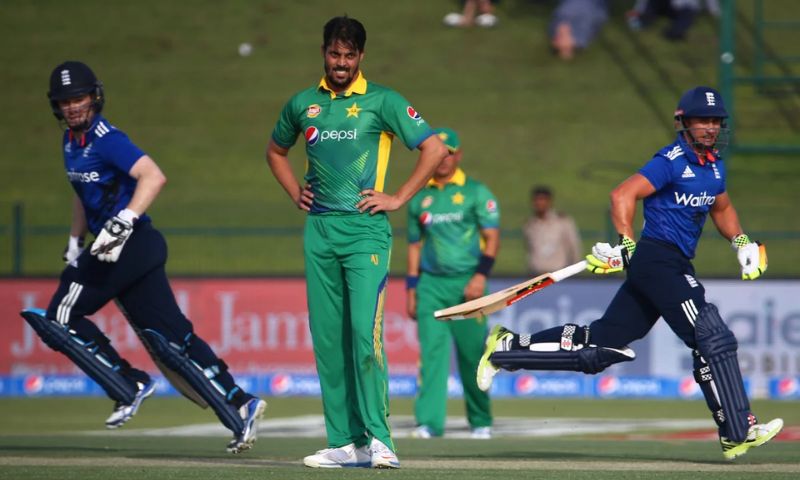
The emphasis shifted towards scoring quickly from the beginning, building deep batting line-ups and maintaining attacking intent even after losing wickets.
Players such as Eoin Morgan, Joe Root, Jos Buttler, Jason Roy and Jonny Bairstow became central to that change.
Pakistan’s approach remained strongly influenced by bowling quality, adaptability and the ability to perform in major tournaments.
Those contrasting strengths came together during the 2017 Champions Trophy.
2017: Pakistan Silence the Hosts
England entered the Champions Trophy semi-final in Cardiff on June 14, 2017, unbeaten in the group stage.
Pakistan, captained by Sarfaraz Ahmed, produced one of their most disciplined ODI performances of the decade.
Hasan Ali claimed three wickets as England were dismissed for 211 in 49.5 overs.
Pakistan’s openers then took control.
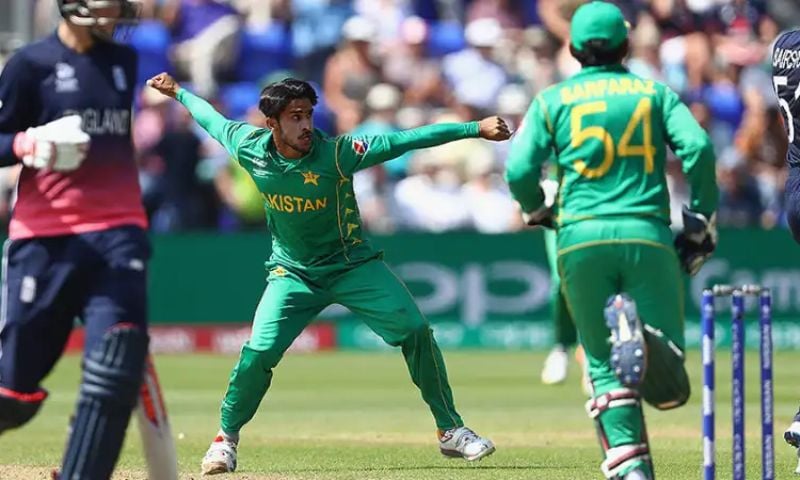
Azhar Ali scored 76 and Fakhar Zaman made 57, sharing a 118-run opening partnership.
Pakistan completed an eight-wicket victory with nearly 13 overs remaining.
The result took Pakistan into the final against India, where they went on to secure their first Champions Trophy title.
It was an important reminder that even an aggressive, highly rated batting side could be contained by accurate bowling and intelligent tactics.
The victory also demonstrated Pakistan’s ability to rise to the occasion in major ODI competitions.
2019: Trent Bridge Brings Another Surprise
The rivalry returned to Trent Bridge during the 2019 World Cup, 45 years after the countries had played their first ODI at the same venue.
England entered the tournament as hosts and one of the leading contenders for the title.
They had also dominated Pakistan in the bilateral ODI series immediately before the competition.
But on June 3, Pakistan produced an outstanding batting performance.
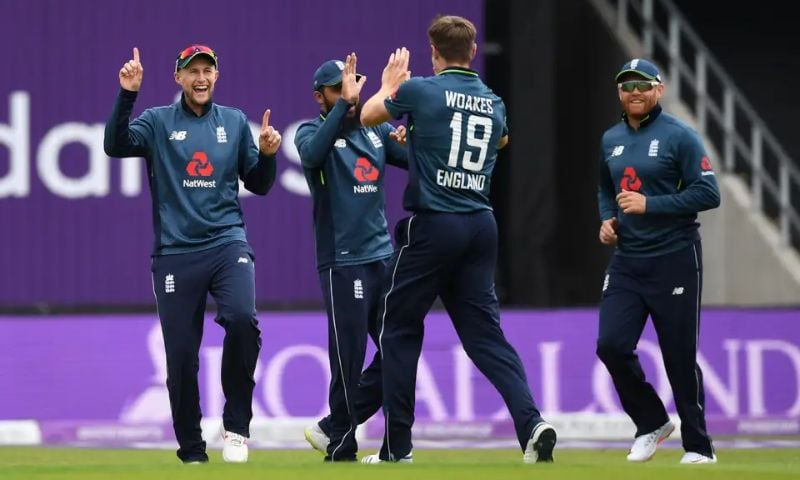
Mohammad Hafeez scored 84, Babar Azam contributed 63 and Sarfaraz Ahmed made 55 as Pakistan reached 348-8.
England responded strongly through centuries from Joe Root and Jos Buttler but finished on 334-9.
Pakistan won by 14 runs.
The result highlighted the unpredictability of their encounters.
It also demonstrated how far ODI scoring had advanced since 1974.
In their first meeting, England’s 244 had represented a substantial target. By 2019, even a total approaching 350 could not guarantee victory.
England eventually recovered from the defeat and won the World Cup, defeating New Zealand in a dramatic final at Lord’s.
Pakistan, despite beating the eventual champions, narrowly missed the semi-finals on net run rate.
The 2020s: Big Scores and New Challenges
The next decade continued to demonstrate the demands of modern ODI cricket.
In July 2021, England completed a 3-0 home series victory over Pakistan.
The final match at Edgbaston was particularly revealing.
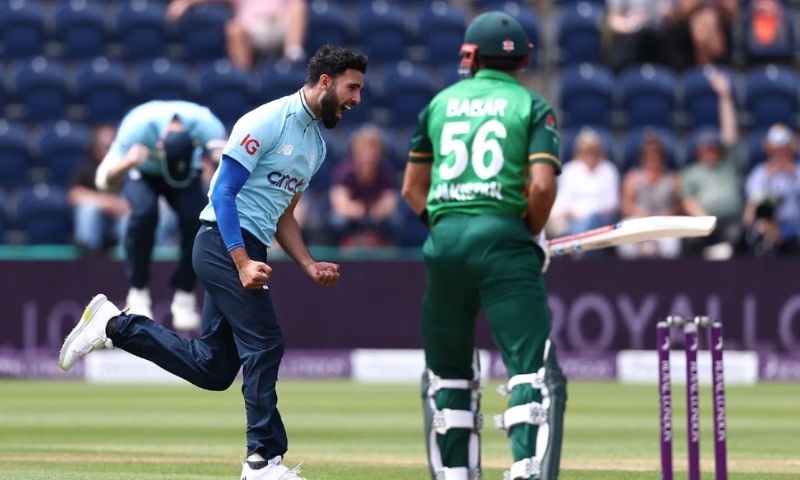
Babar Azam produced a magnificent innings of 158 from 139 deliveries, helping Pakistan post 331-9.
Yet England successfully chased the target, with James Vince scoring a century and Lewis Gregory contributing a valuable 77.
England won by three wickets with two overs remaining.
The match showed that individual brilliance was no longer always sufficient to secure victory.
Teams increasingly needed sustained scoring throughout their innings, effective death bowling and greater flexibility in selection.
At the 2023 World Cup in India, England defeated Pakistan by 93 runs in Kolkata.
England scored 337-9 before dismissing Pakistan for 244, another example of the substantial totals that have become familiar in modern ODI cricket.
2026: The Rivalry Returns to Pakistan
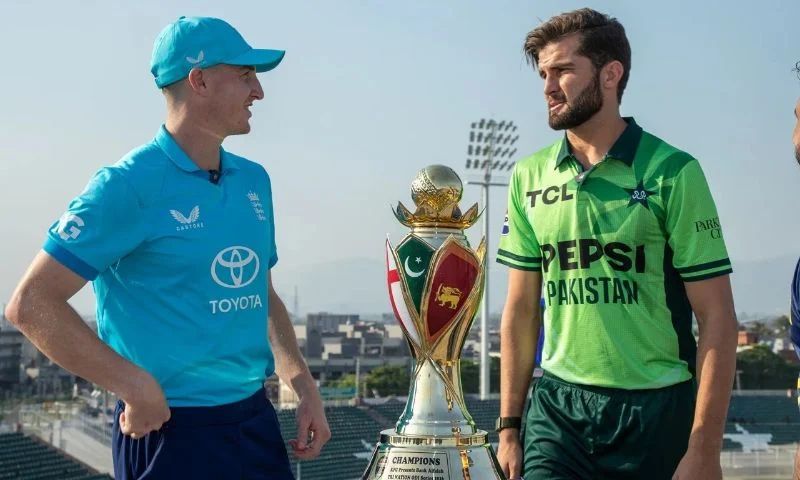
The latest chapter arrives during Pakistan’s ODI tri-series against England and Sri Lanka.
The tournament, scheduled from October 18 to 31, is being staged in Rawalpindi and Lahore.
Pakistan and England are scheduled to meet in Rawalpindi on October 20 and again in Lahore on October 25.
Their participation offers both teams valuable competitive experience ahead of the 2027 men’s ODI World Cup.
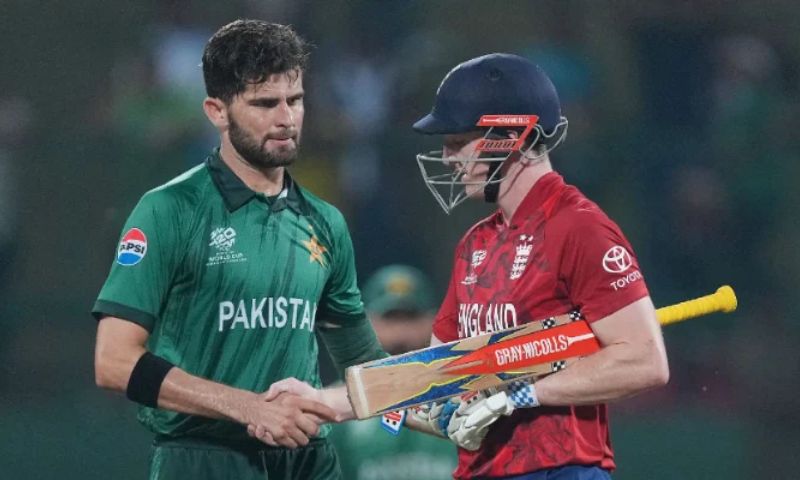
It also marks another opportunity for Pakistani supporters to watch England compete in one-day cricket on home soil.
The modern contest features challenges very different from those of the 1970s.
Batters must respond to powerplays, sophisticated bowling variations and detailed opposition analysis.
Bowlers face greater pressure to contain scoring while still creating wicket-taking opportunities.
Fitness, fielding standards and tactical flexibility have become increasingly important.
Yet the essential contest between bat and ball remains unchanged.
Five Decades, One Enduring Rivalry
The history of Pakistan and England in ODI cricket is not simply a record of victories and defeats.
It is also a story of how the format has developed.
The early years were shaped by patient batting and carefully managed run chases. The 1980s and 1990s brought powerful bowling attacks and the growing importance of global tournaments.
The 2010s introduced a more aggressive batting philosophy, while the 2020s have continued to test how teams balance attacking cricket with consistency.
Pakistan’s 1992 World Cup triumph, the 2017 Champions Trophy semi-final and the 2019 victory at Trent Bridge remain particularly memorable chapters.
England’s own achievements, including their 2019 World Cup title, reflect the changes that have transformed their ODI approach.
More than 52 years after Majid Khan’s century launched the rivalry at Trent Bridge, Pakistan and England are still finding new ways to challenge each other.
The players, conditions and tactics have changed.
But the anticipation surrounding their meetings remains a constant in international one-day cricket.