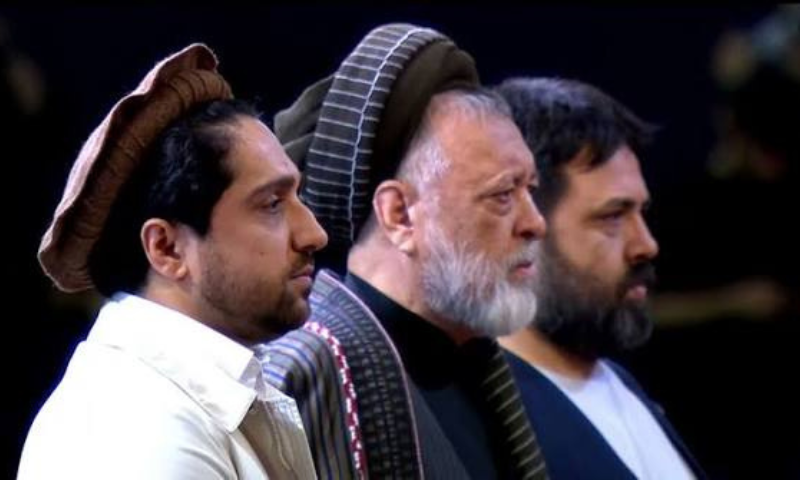



TEHRAN: Iran’s warm reception for Ahmad Massoud, the leader of Afghanistan’s National Resistance Front (NRF), at the funeral of former Supreme Leader Ayatollah Ali Khamenei has highlighted Tehran’s continued engagement with the Taliban’s principal political rival, underscoring its reluctance to rely exclusively on Afghanistan’s Taliban government.
Massoud, whose movement is the principal armed opposition to the Taliban, attended the funeral alongside veteran Afghan political leader Mohammad Mohaqiq. Senior Iranian officials were seen welcoming the delegation during the week-long mourning ceremonies in Tehran.
Afghan Delegation in Iran 🇦🇫 🤝 🇮🇷
Ahmad Masoud: Leader of the NRF & Ustad Mohaqiq representative of the people of Afghanistan in the State Funeral of Late Supreme Leader of Iran, Ayatollah Sayyed Ali Khamenei in Tehran. pic.twitter.com/l3w7kb5bl0
— Pakistan Strategic Forum (@ForumStrategic) July 4, 2026
The funeral was also attended by a high-level delegation from Afghanistan’s Taliban-led government, including Deputy Prime Minister Abdul Ghani Baradar and Acting Foreign Minister Amir Khan Muttaqi.
The simultaneous presence of leaders from both rival Afghan camps highlighted Iran’s cautious diplomatic approach towards Afghanistan nearly five years after the Taliban returned to power.
Balancing Rival Afghan Factions
Political analysts say Tehran has sought to maintain contacts with both the Taliban administration and the National Resistance Front, avoiding any move that could be interpreted as abandoning its longstanding relationships with non-Taliban Afghan groups.
According to regional observers, extending a warm welcome to Massoud sends a message that Iran continues to regard the NRF and other traditional Afghan political forces as relevant actors.
Strategic Leverage
Analysts also believe maintaining ties with Massoud provides Tehran with diplomatic leverage in its dealings with the Taliban.
Relations between Iran and the Taliban have periodically been strained by border security incidents, disputes over water rights from the Helmand River and concerns about regional security.
Against that backdrop, continued engagement with the NRF serves as a reminder that Iran retains channels of communication with the Taliban’s political and military opponents.
Call for Inclusive Governance
Observers say Iran has consistently advocated the formation of a more inclusive political system in Afghanistan that reflects the country’s ethnic and political diversity.
By publicly engaging with both Taliban officials and opposition leaders during the funeral ceremonies, Tehran appeared to reinforce its longstanding position that Afghanistan’s stability depends on broader political participation rather than exclusive rule by any single faction.