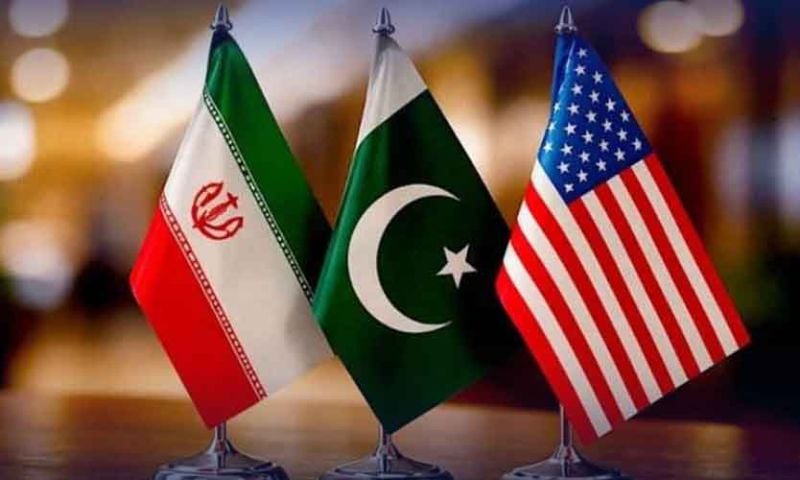



WASHINGTON: Iran has signalled readiness to resume talks with the United States in Pakistan as early as next week under a revised proposal to revive stalled negotiations between Washington and Tehran, the Wall Street Journal reported, citing sources familiar with the matter.
The Wall Street Journal report stated that Tehran has shown greater flexibility in its latest proposal, which seeks to restart diplomacy amid an ongoing standoff that has disrupted global energy flows and maritime trade in the Middle East.
The US and Israel’s war on Iran has led to major disruptions in global energy supplies and heightened tensions over the Strait of Hormuz.
Revised Iranian proposal
According to the Wall Street Journal, Iran’s revised proposal marks a shift from its earlier position.
It now suggests discussions on Tehran’s conditions for opening the Strait of Hormuz could take place alongside US commitments to end attacks and ease the blockade of Iranian ports.
Previously, Iran had insisted that the US lift its blockade and agree on terms to end the conflict before any broader negotiations could begin.
The report added that the proposal also envisions later-stage talks on Iran’s nuclear programme in exchange for US sanctions relief.
Iran has indicated to mediators that it would be ready to meet in Pakistan by early next week if Washington accepts the new framework, the report said.
Trump claims Iran wants deal
The comments come amid diplomatic efforts to end the conflict.
Speaking in Washington on Friday, Trump said he was “not satisfied” with Iran’s latest proposal and warned against a premature end to the war.
“Iran wants to make a deal, but I’m not satisfied with it, so we’ll see what happens,” he said.
Trump warned that any agreement must be durable and indicated that military action could resume if negotiations fail.
“I’m not sure we’re going to get to a deal,” he said, adding that Washington faced a choice between continuing diplomacy or escalating the conflict.
“Do we want to go and just blast the hell out of them… or do we want to try and make a deal?” he said, adding he would prefer a diplomatic solution “on a human basis”.
Trump said the US would not leave Iran early as the deadlock over the two-month-old war persisted despite a ceasefire https://t.co/fotMq9fMvr pic.twitter.com/ys7JImOgDa
— Reuters (@Reuters) May 2, 2026
Pakistan’s diplomatic efforts
The latest Iranian proposal has been conveyed through Pakistan, which is acting as a mediator between Washington and Tehran, according to reports.
Trump said talks were currently being conducted by phone after he called off a planned visit by US envoys to Pakistan.
“I have great respect for Pakistan and for the Field Marshal (Syed Asim Munir) and the Prime Minister (Shehbaz Sharif),” he said.
Pakistan has played a key role in facilitating dialogue between the US and Iran, including hosting the first high-level contact in decades last month in Islamabad.
However, efforts to convene a second round have faced delays, and officials acknowledge significant differences remain.
Nuclear and Strait of Hormuz issues
The United States has maintained a firm position centred on preventing Iran from acquiring nuclear weapons, including demands for a halt to uranium enrichment and the transfer of enriched material.
Washington has also called for the full reopening of the Strait of Hormuz and an end to Iran’s regional activities.
Iran, for its part, has linked progress to sanctions relief and the lifting of a US naval blockade.
Tehran has indicated willingness to discuss nuclear and maritime issues in parallel, but has resisted major upfront concessions and is seeking guarantees against future pressure.
According to The Wall Street Journal, Iran’s latest proposal signals some flexibility.
The report, citing people familiar with the matter, said Tehran is willing to discuss reopening the strait alongside US steps to end attacks and ease the blockade.
The report added that Iran may be ready for talks in Pakistan in the coming days if Washington responds positively.
Strait of Hormuz tensions
Tensions have escalated following Iran’s closure of the Strait of Hormuz, a key route for global oil and gas shipments, after the outbreak of the US-Israel conflict earlier this year.
In response, the United States imposed a blockade on Iranian ports.
US Central Command said it had redirected vessels to “ensure compliance”.
At a rally in Florida, Trump described US naval operations enforcing the blockade in blunt terms.
“We’re like pirates,” he said, referring to the seizure of vessels and cargo.
“We took over the ship. We took over the cargo… it’s a very profitable business.”
Iran has vowed to maintain pressure on the strait as long as US measures continue, raising concerns over global energy supplies and maritime security.