NEW DELHI: India’s handling of recent protests has raised concerns over the shrinking space for peaceful dissent, with a constitutional law researcher arguing that authorities are increasingly treating demonstrations as public-order problems rather than democratic expression.
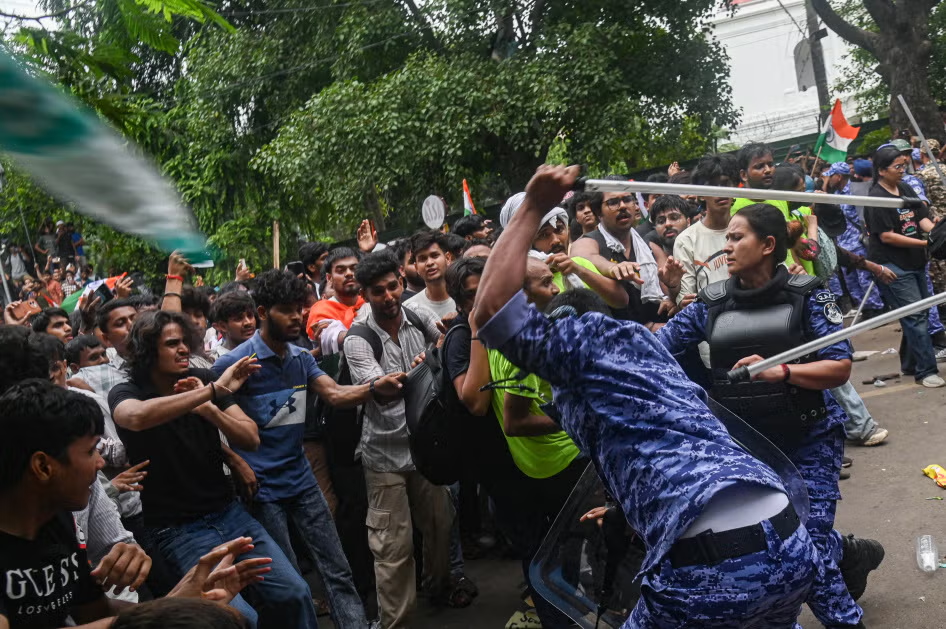
Writing for the constitutional law platform I•CONnect, researcher Susen Kamble pointed to two recent protest movements — the Cockroach Janata Party (CJP) agitation at Jantar Mantar in New Delhi and demonstrations against the Ken-Betwa river-linking project in Madhya Pradesh.
Kamble argued that while India’s Constitution formally protects freedom of speech and peaceful assembly under Article 19, the practical space available to exercise those rights is being steadily restricted.
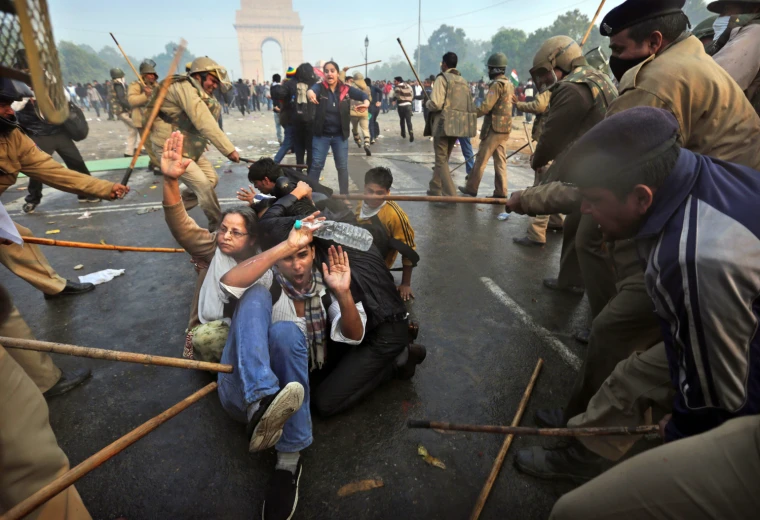
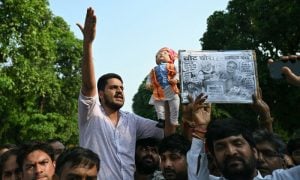
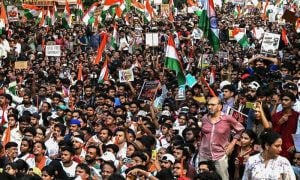
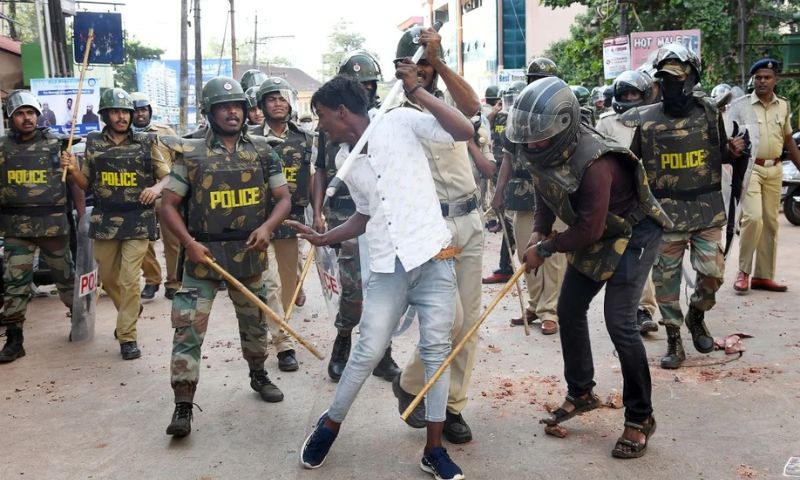
The CJP protests erupted over examination irregularities and demands for education reforms. Reports cited in the analysis described heavy policing, barricades, tear gas, baton charges and the removal of protest structures at Jantar Mantar.
Activist Sonam Wangchuk’s participation increased attention on the demonstrations, which eventually placed considerable political pressure on the government.
ALSO READ: India’s Gen Z Challenges Modi at Home
In Madhya Pradesh, protests against the Ken-Betwa project centred on displacement, compensation and the concerns of affected villagers and tribal communities. Police cleared a protest site and removed hunger-striking demonstrators, including transferring some to hospitals.
India’s colonial legacy
Kamble said the two episodes demonstrated how peaceful dissent could remain constitutionally protected on paper while becoming increasingly difficult to exercise in practice.
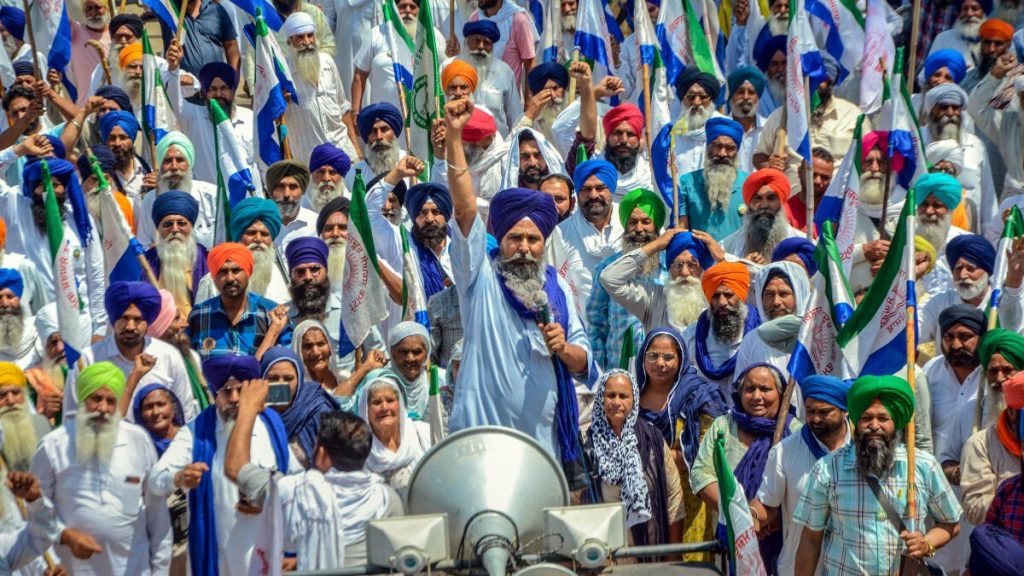
The analysis drew on the work of constitutional scholars Tom Ginsburg and Aziz Huq, who have argued that democratic erosion often occurs through incremental measures rather than the sudden abolition of democratic rights.
Kamble also highlighted India’s colonial legacy of using public-order laws to control political gatherings, warning against allowing similar approaches to shape modern policing.
Indian courts have repeatedly recognised peaceful protest as part of democratic life, although the right can be subjected to reasonable restrictions.
The researcher argued that authorities must distinguish between legitimate regulation and repression, warning that repeatedly treating peaceful assemblies as security threats could weaken India’s constitutional protections for dissent.