
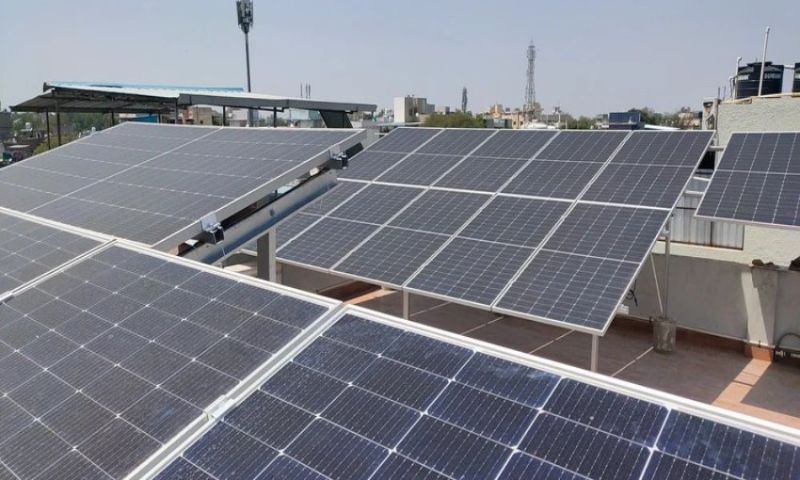
ISLAMABAD: The growing use of rooftop solar power systems has brought significant savings for households and businesses, but experts are warning that a rise in fatal electric shocks during the cleaning and maintenance of solar panels highlights the need for greater public awareness and stronger safety measures.
Solar energy has expanded rapidly in many developing countries as consumers seek relief from rising electricity costs and unreliable power supplies. However, safety specialists say many users remain unaware that solar panels continue to generate electricity whenever exposed to sunlight, creating potentially life-threatening risks during routine maintenance.
Why Solar Panels Can Be Dangerous
Unlike conventional household electricity, solar panels produce direct current (DC), which flows continuously in one direction. Electrical safety experts say DC can be particularly hazardous because it may cause muscles to contract, making it difficult for a person to release an electrified object after contact.
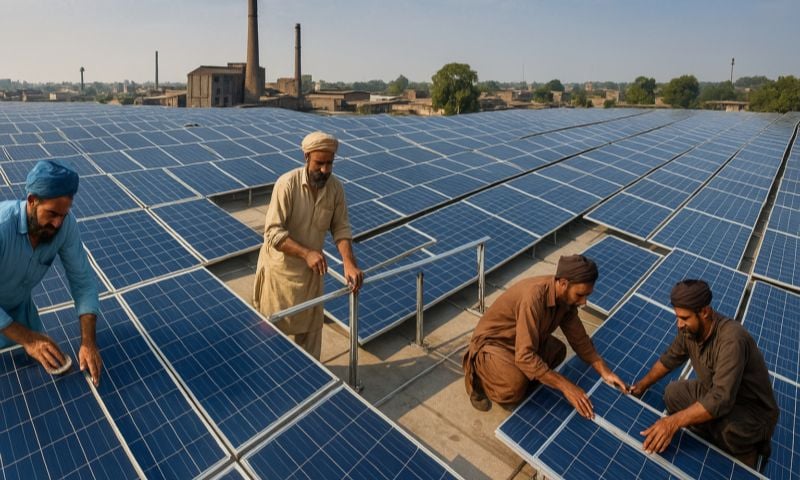
The danger increases in larger solar installations, where voltages can range from 48 volts to more than 600 volts. During daylight hours, especially under strong sunlight, panels generate maximum output, significantly increasing the risk of electric shock.
Experts say the greatest danger often arises when people attempt to clean solar panels with water, work with wet hands, touch exposed wiring or inspect electrical connections without first isolating the system.
Safety Measures
Electrical safety specialists recommend cleaning solar panels early in the morning or after sunset, when electricity generation is minimal or has ceased.
They also advise using insulated cleaning tools designed specifically for solar panels, wearing rubber gloves and rubber-soled footwear, and avoiding spraying water directly onto live panels or electrical components.
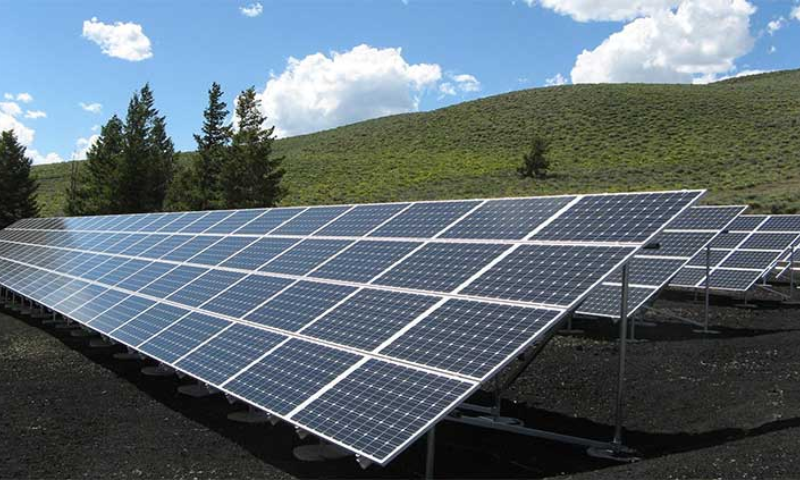
To improve safety, experts recommend that solar installations include properly insulated cables, waterproof electrical connections, circuit breakers and residual current devices (RCDs) or earth leakage circuit breakers (ELCBs), which can automatically disconnect power if a fault occurs.
Inverters and battery systems should be installed in secure enclosures to prevent unauthorised access, while children and people without technical knowledge should be kept away from electrical equipment.
Emergency Response
If someone suffers an electric shock, experts advise switching off the main power supply immediately before attempting a rescue. If this is not possible, the victim should only be separated from the electrical source using a dry wooden or plastic object, never with bare hands.
Emergency medical services should be contacted without delay, and cardiopulmonary resuscitation (CPR) should be administered by trained individuals if required.
Extra Precautions for Farms
Safety specialists have also urged farmers and orchard owners, who increasingly rely on solar-powered irrigation systems, to install protective fencing and warning signs around solar installations.
They advise avoiding contact with solar panels during rain and using appropriate safety equipment when accessing rooftop systems.
Regular Electrical Inspections Recommended
Experts say many electrical accidents are not limited to solar systems but are also caused by ageing household wiring, damaged switches, loose electrical connections and faulty installations.
They recommend that homeowners, businesses and farmers arrange regular inspections by qualified electricians to identify and repair potential hazards before they result in injury or loss of life.
While solar energy remains one of the cleanest and most cost-effective sources of electricity, specialists stress that greater awareness, routine maintenance and adherence to safety standards are essential to ensuring that the transition to renewable energy does not come at the cost of preventable accidents.