



LONDON: The ongoing US-Israeli war on Iran has already cost companies around the world more than $25 billion, according to a Reuters analysis, as soaring energy prices and disrupted trade routes continue to shake the global economy.
The financial impact is being felt across industries ranging from aviation and automobiles to consumer goods and manufacturing, with businesses struggling to manage rising fuel costs, supply shortages and weakening consumer demand.
The analysis found that at least 279 companies in the United States, Europe and Asia have cited the conflict as a major factor behind defensive measures such as price increases, production cuts, staff furloughs and reduced shareholder payouts.
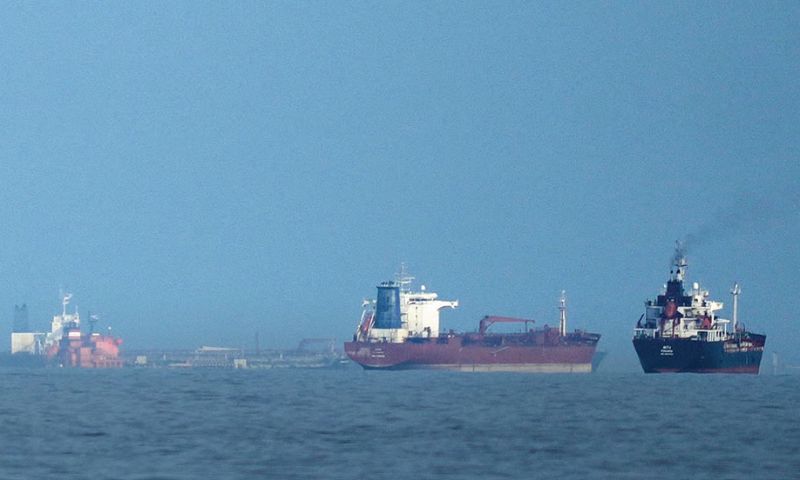
The crisis has intensified after Iran tightened pressure around the Strait of Hormuz, one of the world’s most critical oil and shipping routes. Oil prices have climbed above $100 per barrel, more than 50 per cent higher than levels before the war.
The disruption has sharply increased shipping and logistics costs while affecting supplies of key industrial materials including fertilisers, aluminium, polyethylene and helium.
Biggest financial hit
Airlines have suffered the biggest financial hit so far, accounting for nearly $15 billion in estimated losses due to surging jet fuel prices and longer flight routes.
Major corporations including Toyota, Procter & Gamble and McDonald’s have warned investors about mounting financial pressure linked to the conflict.
Toyota estimated a possible $4.3 billion impact, while Procter & Gamble projected a post-tax profit blow of around $1 billion.
Executives also warned that consumers are increasingly delaying purchases as fuel prices and inflation continue to rise.
European and Asian economies appear particularly vulnerable because of their dependence on Middle Eastern energy supplies.
Analysts said the full economic damage may not yet be visible in company earnings, warning that profit margins are expected to weaken further during the second half of the year as higher costs become harder to absorb.