


LONDON: Global oil prices fell sharply on Wednesday and stock markets rose as investors reacted to hopes of easing tensions in the Middle East, where Iran said it had allowed around two dozen ships to transit the Strait of Hormuz amid Pakistan-led diplomatic efforts for regional peace.
US President Donald Trump said Washington was in the “final stages” of negotiations aimed at ending the conflict involving the United States, Iran and Israel.
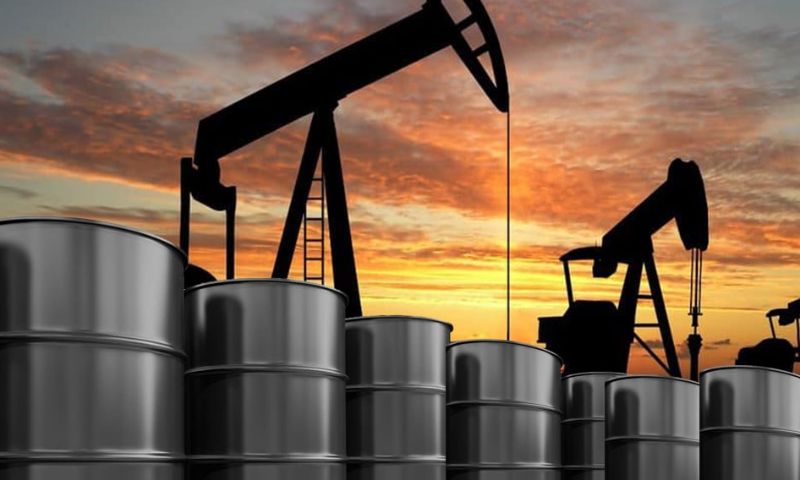
Brent North Sea crude dropped 5.2 percent to $105.47 a barrel, while West Texas Intermediate (WTI) fell 5.0 percent to $98.94 a barrel, according to market data.
Markets rally on easing geopolitical tensions
Equity markets gained as oil prices retreated from recent highs, with investors also eyeing upcoming corporate earnings, particularly from US chipmaker Nvidia.
“After several days of slipping, US stock markets turned their fortunes around ahead of Nvidia earnings as yields retreated and the price of crude dropped by over three percent on hopes of progress being made in the Middle East,” said analyst Axel Rudolph of IG.
Sucden Financial analyst Viktoria Kuszak said energy markets remained the central driver of global risk sentiment.
“Oil remains the central macro pressure point,” she said, adding that higher yields, a firm dollar and unresolved energy risks could continue to constrain risk appetite.
Strait of Hormuz transit reported
Market sentiment was further influenced by reports that Iran’s Islamic Revolutionary Guard Corps said it had allowed 26 ships to pass through the Strait of Hormuz over the past 24 hours.
Earlier, a South Korea-flagged tanker reportedly transited the waterway, one of the world’s most critical energy shipping routes.
The Strait of Hormuz typically carries around 20 percent of global crude oil flows, but has been under severe disruption since the escalation of hostilities involving the United States and Israel against Iran.
Pakistan-mediated diplomatic efforts
Investor attention also focused on ongoing Pakistan-led diplomatic efforts to resume talks between Washington and Tehran.
Trump said on Wednesday that Washington was prepared to continue Pakistan-mediated negotiations with Iran aimed at reopening the Strait of Hormuz and ending the conflict.
“We have to open the Strait… so we’re going to give this one shot,” he told reporters.
Meanwhile, Pakistan Interior Minister Mohsin Naqvi met Iranian military leadership in Tehran during his second visit in less than a week, Iranian media reported, as Islamabad continued diplomatic efforts to end the US–Iran conflict.
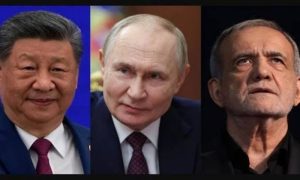
Iran’s Fars News Agency reported that Naqvi also met Iranian President Masoud Pezeshkian, who praised Pakistan’s role in facilitating ceasefire efforts between Tehran and Washington.
Broader economic impact
Markets were also supported by falling bond yields and renewed optimism in US equities, although concerns persist over inflation and energy supply risks.
In Europe, Credit Agricole chief Olivier Gavalda warned investors of continued economic uncertainty, saying “nothing is arguing for optimism” given geopolitical and inflationary pressures.
He cautioned that rising energy prices could weigh on consumer spending and investment.
Bond yields have climbed to multi-decade highs in recent weeks on fears that prolonged Middle East tensions could sustain higher oil prices and slow global growth.