BERLIN: Germany is pursuing legal action with Australia, Canada and the Netherlands to hold Afghanistan’s Taliban administration accountable for violations of the rights of women and girls, the German Foreign Ministry said.
According to a German Foreign Ministry official, Berlin, together with its international partners, had taken initial legal steps under Article 29 of the Convention on the Elimination of All Forms of Discrimination against Women (CEDAW).
The ministry said Germany remained committed to ensuring that Afghanistan fulfils its obligations under the convention and supported international efforts, including the UN-led Doha process, to improve the human rights situation in the country.
Germany, Australia, Canada and the Netherlands have contacted the Taliban administration as part of the legal process, the German Foreign Ministry said.
Legal process
Australia has also confirmed that it is pursuing the case in cooperation with Germany, Canada and the Netherlands. Under Article 29 of CEDAW, disputes between states concerning the interpretation or application of the convention can, subject to specified procedures, be referred to arbitration and ultimately to the International Court of Justice (ICJ).
In September 2024, Germany, Australia, Canada and the Netherlands announced that they had initiated proceedings under Article 29 and called on the Taliban administration to engage in dialogue over the matter.
READ ALSO: UN Human Rights Chief Wants Greater Pressure on Taliban to Help Afghan Women
More than 20 countries have expressed support for the four countries’ use of the mechanism, including Spain, Sweden, Belgium and South Korea. The Afghan human rights organisation Rawadari and other civil society groups have also recently called on the four countries to maintain their legal efforts.
Restrictions on women and girls
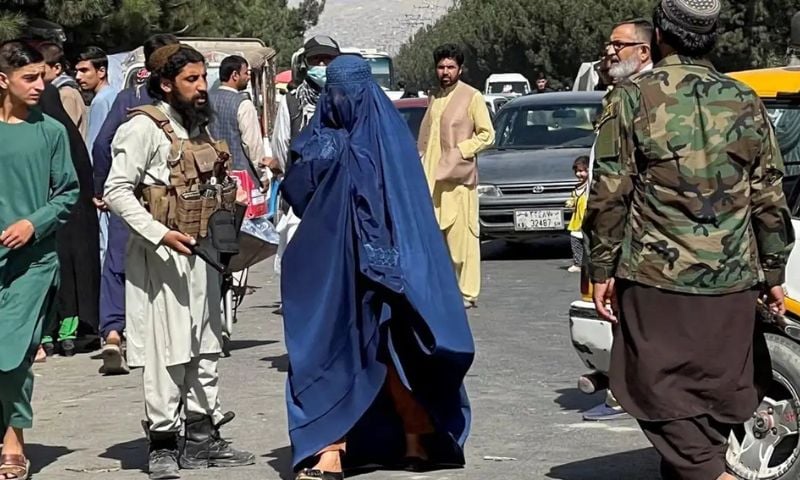
Since the Taliban returned to power in August 2021, women and girls have faced extensive restrictions on education, employment, movement and participation in public life. Girls have been barred from education beyond the sixth grade, while women and girls have also been prohibited from attending universities.
Women have been excluded from numerous areas of employment and public life, while restrictions have also been imposed on their freedom of movement. In some cases, women and girls have been detained or questioned for allegedly failing to comply with Taliban dress requirements.
Human rights organisations have characterised the Taliban’s policies as an example of gender apartheid. The Taliban has denied widespread accusations of human rights violations and discrimination against women, despite continued international criticism of its restrictive policies towards women and girls.