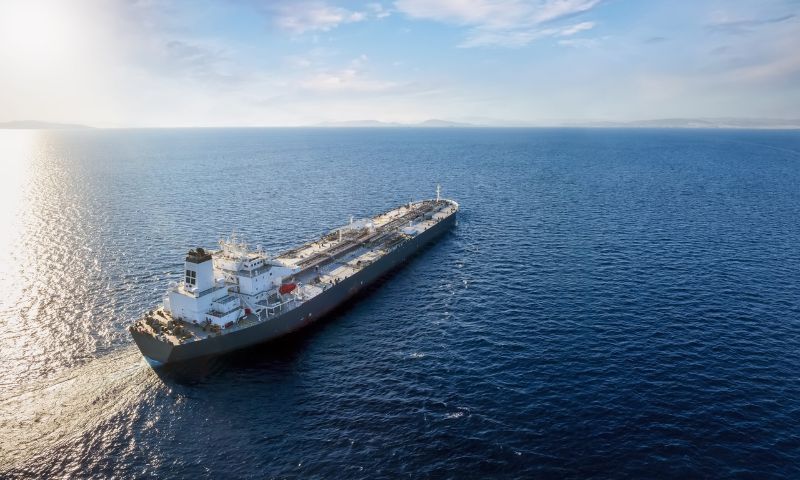
ISLAMABAD: Concerns about a possible fuel shortage in Pakistan eased on Tuesday as several oil shipments started arriving at Port Qasim, helping stabilise supplies after prices surged amid the ongoing US–Iran conflict in the Middle East.
Port Qasim Authority (PQA) spokesperson Asad Altaf Hussain Warsi confirmed that the vessel Torm Damini has completed the discharge of around 37,000 metric tonnes of gas oil at the port.
The unloading operation took nearly 40 hours, and the ship is scheduled to depart later tonight.
Warsi said the tanker Nave Atropos, carrying about 50,000 metric tonnes of Mogas (motor gasoline) from Singapore, arrived at Port Qasim on March 9 and is expected to berth on March 11.
The vessel is likely to complete its discharge operations within roughly 30 hours before departing on March 12.
He added that another vessel, Spruce II, transporting approximately 55,000 metric tonnes of Mogas from Sohar, Oman, is expected to arrive at the port later on Tuesday.
“The ship will berth after Nave Atropos and is scheduled to sail on March 13 after completing discharge operations,” he said.
A third tanker, Sea Clipper, is also expected to arrive on March 11 carrying around 34,000 metric tonnes of Mogas from Fujairah.
Port officials said the vessel will berth after the departure of Spruce II and is expected to complete its unloading within about 30 hours before leaving on March 14.
Warsi further confirmed that a vessel from Fujairah has already reached the port, while three more ships carrying petroleum products are expected in the coming days.
He noted that one of the incoming vessels is arriving from Oman, while details of the remaining two will be shared once confirmed.
He assured that the PQA is ensuring smooth handling and scheduling of all vessels to maintain uninterrupted port operations and a steady fuel supply across the country.
Meanwhile, tensions in the Middle East have escalated following a joint attack by the United States and Israel on Iran, which killed Iran’s Supreme Leader, Ayatollah Ali Khamenei.
In response, Iran launched attacks on Gulf states and closed the strategic Strait of Hormuz, sending global crude oil prices sharply higher.
Amid the crisis, the Pakistani government last Friday increased petrol and diesel prices by Rs55 per litre, a move that has added to the cost-of-living pressures.
Residents across the country have reported higher transport fares and rising prices of everyday goods.