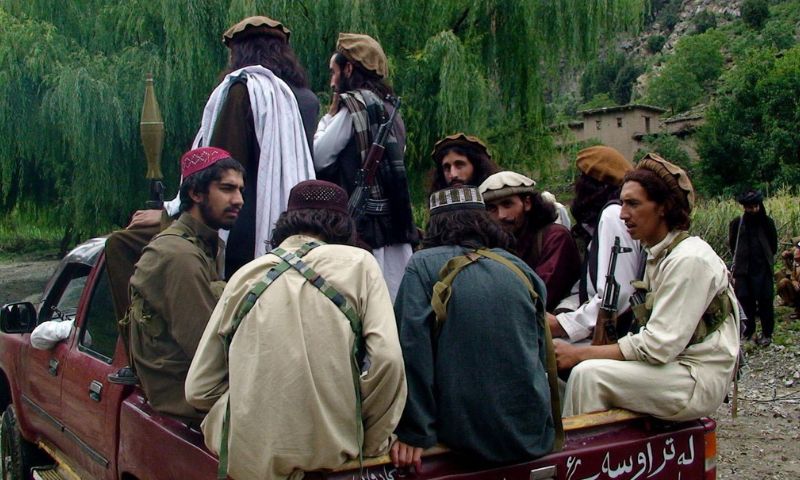
ISLAMABAD: An Iranian national who spent nearly a decade alongside Al-Qaeda in Syria before joining the Tehreek-e-Taliban Pakistan (TTP) was among nine terrorists killed in North Waziristan this month, according to sources.
Muhammad Fateh, who was about 16 when he travelled to Syria in 2014, spent years with militant groups there before moving to Pakistan and joining the TTP.
His journey took him from Iran to Syria and then to Pakistan, highlighting the cross-border movement of terrorists between terrorist networks operating in different conflict zones.
According to an account circulated by TTP-linked sources, Fateh’s cross-border journey of terrorism spanned Iran, Syria and Pakistan.
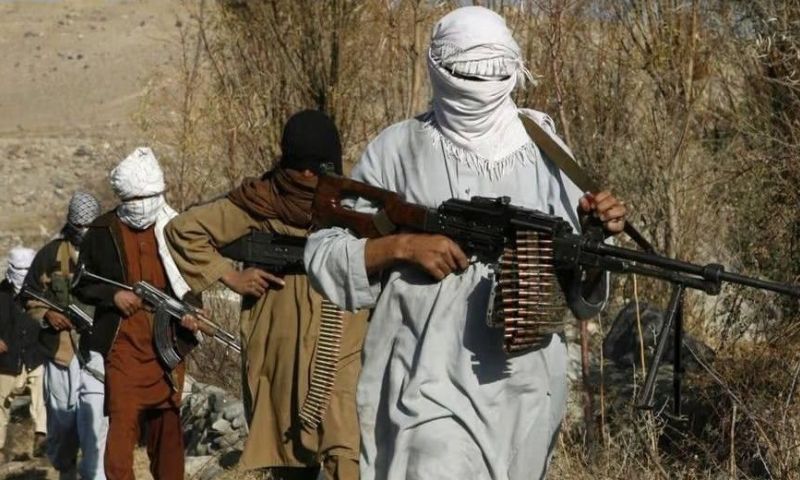
It began when he was about 16 and took him through several prominent terrorist formations that emerged during the Syrian war before he eventually moved to Pakistan and joined the TTP.
In Syria, he was known by the alias name Jaafar. After moving to Pakistan, he used the name Muhammad Fateh.
The TTP and Al-Qaeda have maintained longstanding ideological, operational and organisational links, with Al-Qaeda historically providing the TTP with training, expertise and strategic support.
The relationship has evolved through shared networks, safe havens and cooperation involving Al-Qaeda-linked groups, particularly in Afghanistan and the wider region.
Teenager Enters Syria’s War
According to the account, Fateh travelled from Iran to Syria in 2014, when he was approximately 16 years old.
He joined Jabhat Fath al-Sham, the rebranded name adopted by Jabhat al-Nusra, Al-Qaeda’s former affiliate in Syria. In early 2017, Jabhat Fath al-Sham joined several other Syrian factions to form Hay’at Tahrir al-Sham (HTS)
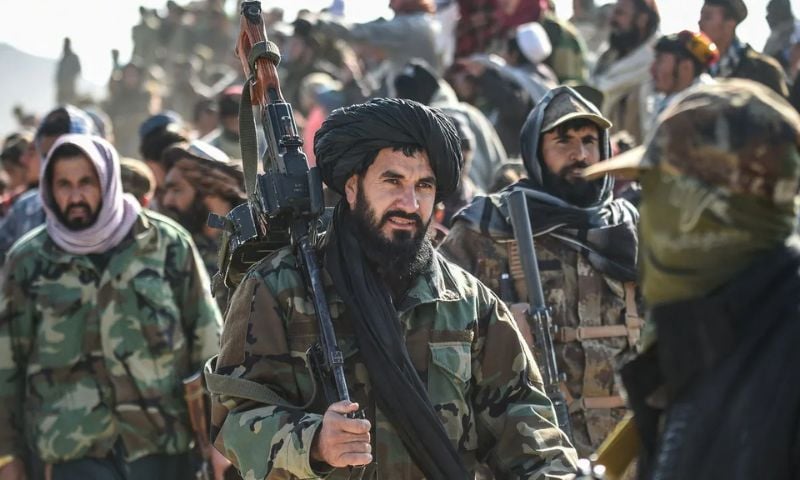
Fateh spent around 10 years in Syria, remaining involved with terrorist groups throughout much of that period.
His years in Syria coincided with one of the most complex phases of the conflict, when dozens of armed groups operated across territory divided among the Syrian government, opposition factions and extremist organisations.
According to the account, Fateh eventually became associated with HTS after it emerged from the restructuring of earlier Al-Qaeda-linked formations.
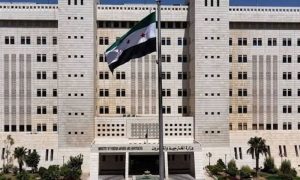
The United States has since removed HTS from its list of designated terrorist organisations following political changes in Syria, although its earlier aliases and organisational history remain closely associated with Al-Qaeda’s Syrian network.
Marriage, Then Departure
During his years in Syria, Fateh married a Syrian woman.
The couple had two daughters, according to the account.
After the fall of the Assad government, he decided to leave Syria and continue his armed activities elsewhere.
He asked his wife to accompany him, but she refused to leave Syria, according to the account.
Fateh subsequently divorced her and left the country.
From Syria To Pakistan
After leaving Syria, Fateh travelled to Pakistan and became associated with the TTP.
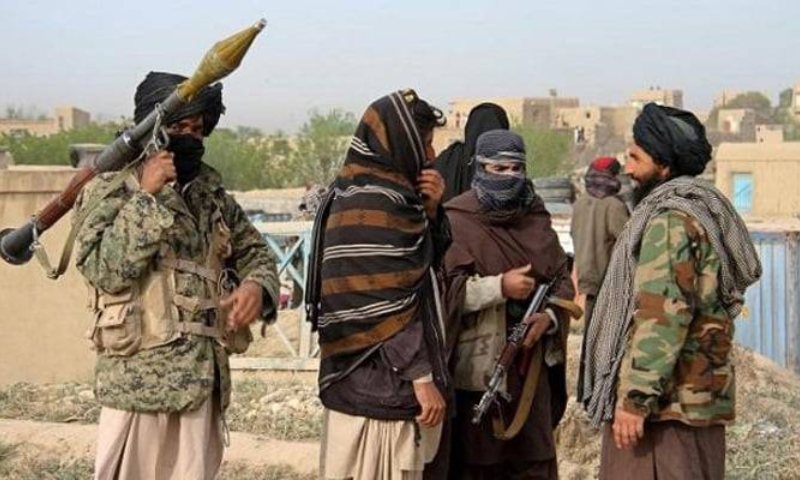
According to the pro-TTP account, he had been affiliated with the organisation for about eight months before he was killed.
His movement through Pakistan included several months in Balochistan, where he was associated with the TTP’s so-called Wilayat Makran, or Makran region.
He later travelled towards North Waziristan in Khyber Pakhtunkhwa.
It was during this movement that his reported journey came to an end.
Nine Terrorists Killed
Fateh was among nine terrorists killed by Pakistani security forces in North Waziristan, according to the account.
The incident comes amid continued counter-terrorism operations against the TTP and affiliated groups in North Waziristan. Security forces have carried out repeated operations in the district this year, including major engagements in early September.
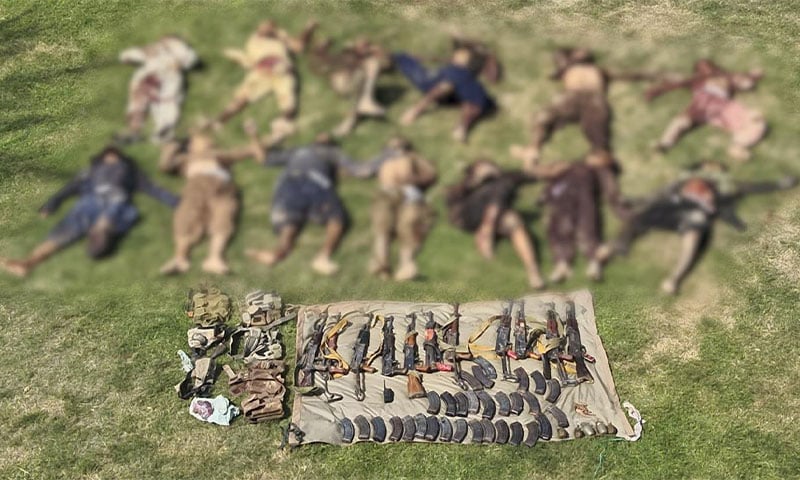
The TTP account identifies Fateh as an Iranian national with a long history of involvement with militant organisations outside Pakistan before joining the group.
The Al-Qaeda-TTP Connection
The most significant aspect of Fateh’s story is not simply his nationality or the length of his time in Syria, but his movement between terrorist networks operating in different conflict zones.
He entered the Syrian conflict through an Al-Qaeda-linked organisation, remained there for almost a decade and later joined the TTP in Pakistan.
That trajectory illustrates how terrorist networks can transcend national borders, allowing fighters shaped by one conflict to move into another theatre.
The passage from an Al-Qaeda-linked group in Syria to the TTP also provides an example of the ideological and personnel connections that have existed between different terrorist organisations operating across South and West Asia and the Middle East.
The TTP itself has historically maintained ties with the wider Al-Qaeda network, while individual militants can move between organisations, particularly where they share ideological affiliations and operational relationships.
Life In Terrorist Networks
Fateh was about 16 when he entered the Syrian conflict.
By the time he was killed in North Waziristan, he had spent roughly a decade inside terrorist networks.
His path, from an Iranian teenager entering Syria’s war, to an Al-Qaeda-linked fighter, to a member of the TTP, illustrates how prolonged exposure to armed conflict can create a pathway between terrorist organisations separated by thousands of kilometres.
His story also underscores the international dimension of the TTP’s militant network, with a foreign national reportedly joining the group after years of involvement with armed factions in another conflict zone.
TTP Al-Qaeda Nexus
The TTP, Afghan Taliban and Al-Qaeda have longstanding ideological and operational links rooted in cross-border militancy.
The TTP, formed in 2007, has maintained allegiance to the Afghan Taliban leadership while waging an armed campaign against the Pakistani state.
Al-Qaeda has provided the TTP with training, ideological guidance and operational support, including through networks inside Afghanistan.
Despite repeated denials, international assessments have reported that the Afghan Taliban provides TTP members with sanctuary and an environment in which terrorist networks can operate.