


BRUSSELS: The European Union is facing mounting criticism over its decision to host Taliban officials in Brussels for talks on the return of failed Afghan asylum seekers, with rights groups warning that the move risks legitimising a government accused of severe human rights abuses against women and girls.
A Taliban delegation is expected to arrive in Brussels on Tuesday after Belgium granted one-day visas to five officials invited by the European Commission for discussions on migration and deportation policies.
The talks are part of a broader EU effort to curb irregular migration and increase the return of asylum seekers whose applications have been rejected, even as the bloc continues to withhold formal recognition of the Taliban administration.
Rights Groups Raise Alarm
Human rights organisations have strongly criticised the planned meeting, arguing that engagement with Taliban officials undermines European commitments to democracy, human rights and gender equality.
“EU countries are undermining their credibility by condemning Taliban abuses and pursuing accountability on one hand, while cooperating with the Taliban to forcibly return Afghans on the other,” said Fereshta Abbasi of Human Rights Watch.
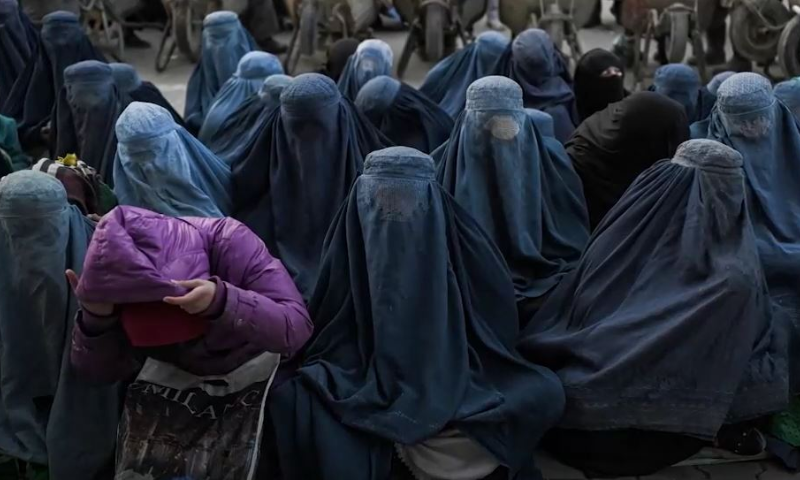
Critics argue that the invitation sends a contradictory message at a time when the Taliban remain under international scrutiny for policies that have effectively excluded women and girls from much of public life.
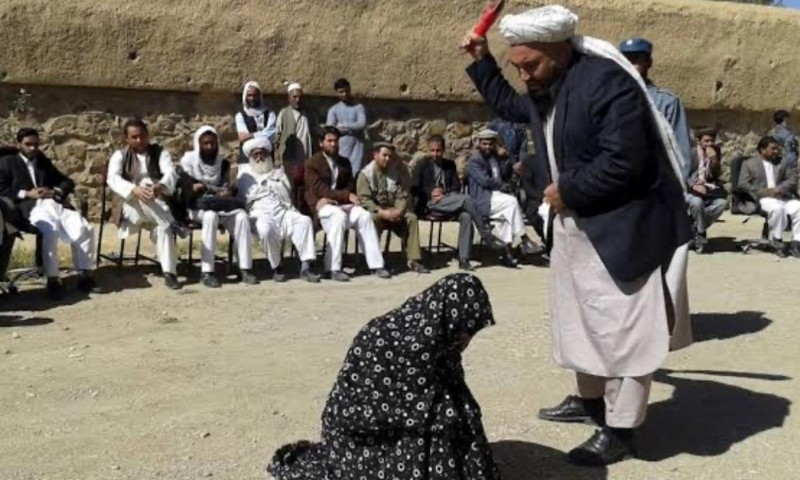
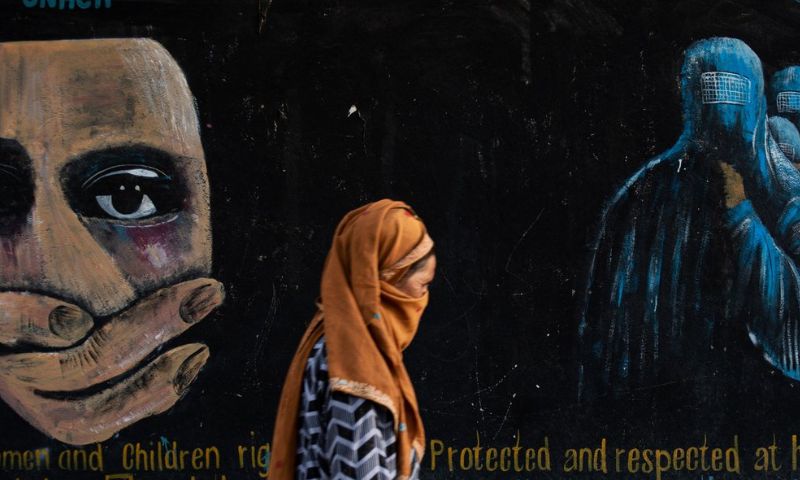
Since returning to power in 2021, the Taliban have imposed sweeping restrictions on women’s rights, including bans on secondary and university education for girls, limits on employment opportunities and strict curbs on freedom of movement.
Women are required to cover themselves almost entirely in public and are barred from numerous public spaces, including parks, gyms and recreational facilities.
The United Nations and human rights organisations have repeatedly described the restrictions as one of the world’s most severe rollbacks of women’s rights.
EU Defends Engagement
European officials insist that hosting Taliban representatives does not amount to recognising their government.
Belgian authorities said the visas were granted in Belgium’s capacity as host country for European institutions after security agencies completed their assessments.
A spokeswoman for Belgium’s foreign minister said the visas are valid only for Belgium, not the wider Schengen area, and are limited to a single day.
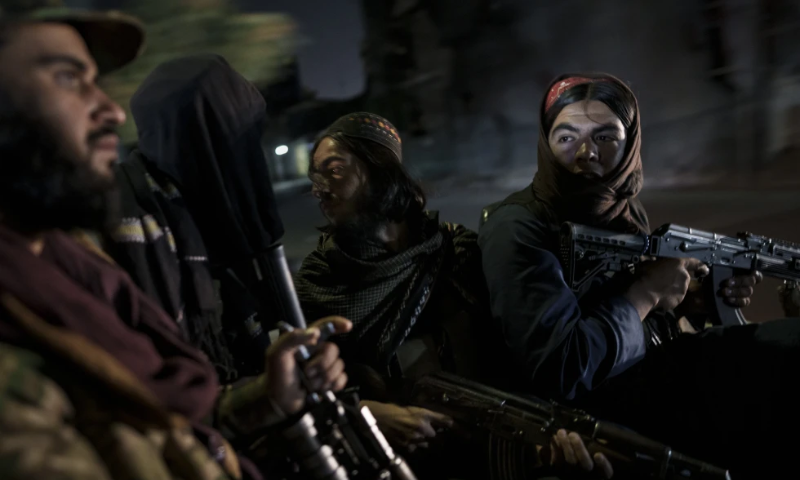
EU Migration Commissioner Magnus Brunner recently defended the outreach, arguing that Brussels has little choice but to engage with Taliban authorities on practical issues related to migration and deportations.
European governments have increasingly adopted tougher migration policies amid rising public concern over immigration and growing electoral support for far-right political parties across the continent.
Push for Deportations
According to EU data, member states received around one million asylum applications from Afghans between 2013 and 2024, with roughly half approved.
Last year, around 20 of the EU’s 27 member states expressed interest in deporting certain categories of Afghan migrants, particularly those convicted of serious crimes or considered security risks.
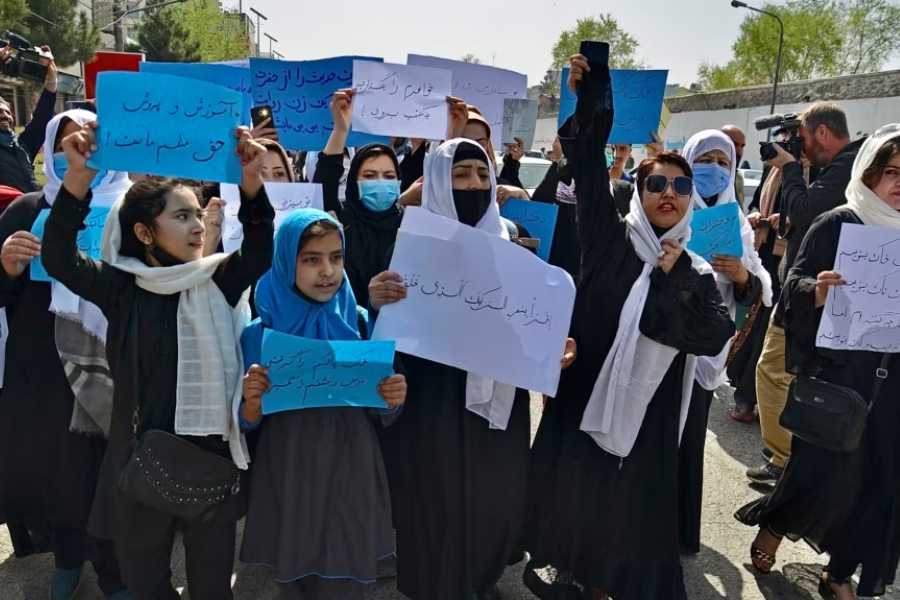
“The focus for member states is very much on persons who have committed serious crimes or who pose a security threat,” European Commission spokesman Markus Lammert told journalists on Monday.
Ethical and Legal Concerns
Rights organisations have questioned both the legality and morality of returning migrants to Afghanistan, where the United Nations says millions face acute humanitarian challenges, including hunger, economic hardship and limited access to basic services.
Critics argue that engaging directly with Taliban officials while simultaneously condemning their human rights record risks weakening the EU’s credibility on issues of democracy and women’s rights.
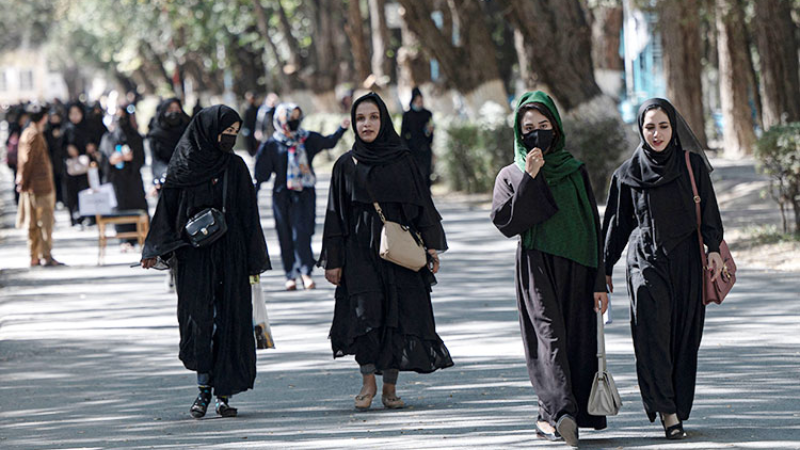
The controversy has reignited a broader debate over whether practical cooperation on migration can be separated from concerns about governance, human rights and international legitimacy.
For many rights advocates, the planned Brussels talks represent a test of whether Europe is willing to prioritise migration control over the principles it has long claimed to champion.
Malala Joins Growing Criticism of EU Outreach to Taliban
Nobel Peace Prize laureate Malala Yousafzai also criticised the EU’s decision to host Taliban officials, warning that engagement with the group risked legitimising a regime accused of systematically denying women and girls their basic rights.
In a post on X, Yousafzai said inviting the Taliban to Brussels for migration talks sent “a dangerous message” that a government could oppress women and girls while still being accepted as a diplomatic partner.
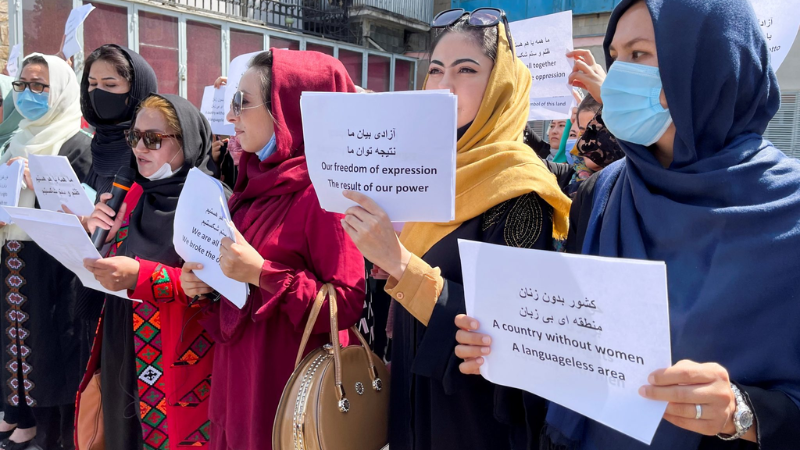
She urged European governments not to make deals with a regime she described as being responsible for one of the world’s worst human rights crises, citing restrictions on education, employment and freedom of movement imposed on Afghan women and girls since the Taliban returned to power in 2021.