Key Points
- Massive Chinese investment in the pipeline
- Stabilising economy boosts investors’ confidence
- Regulatory clearance paves the way for capital market investment
ISLAMABAD: Chinese investors are set to enhance investment in Pakistan’s capital markets after regulatory approvals cleared the way for higher strategic stakes in key financial market infrastructure institutions.
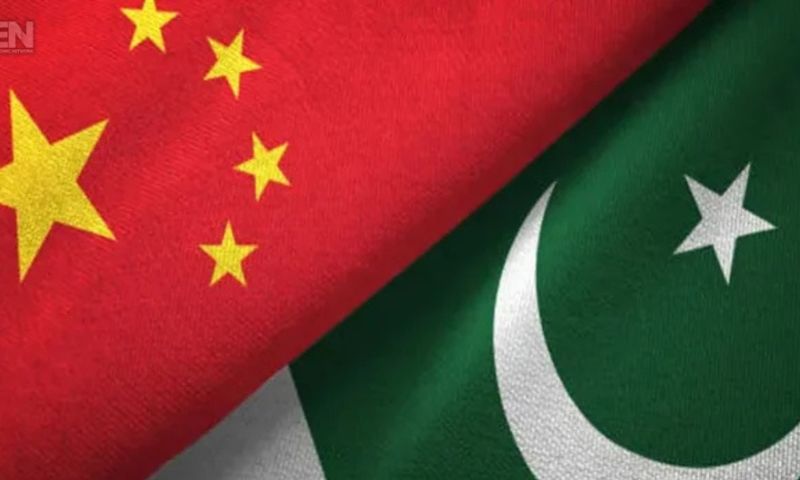
Fresh Chinese investment marks a gradual but notable shift in bilateral economic engagement from infrastructure financing toward capital market integration.
According to market sources and regulatory disclosures, a Chinese-led consortium has received approval from the Securities and Exchange Commission of Pakistan (SECP) to increase its shareholding in the Central Depository Company (CDC) and the National Clearing Company of Pakistan Limited (NCCPL).
These institutions form the backbone of Pakistan’s securities market infrastructure, handling custody, settlement, and clearing operations for equity and debt transactions.

The move is being viewed in market circles as more than a routine equity adjustment. It signals a long-term strategic interest in Pakistan’s financial plumbing.
ALSO READ: Pakistan, China Sign Multiple Agreements During PM Shehbaz’s Beijing Visit
The institutions are considered essential for the functioning of modern capital markets and for attracting overall foreign portfolio investment.
The expansion is not limited to equity participation. The consortium has also expressed interest in introducing new financial instruments, including cross-border exchange-traded funds (ETFs).
They also plan mechanisms designed to improve investment connectivity between Pakistani and Chinese capital markets.
Market participants say such initiatives, if implemented, could enhance liquidity, diversify investment options, and create new channels for cross-border capital flows.
Strengthening market infrastructure
Officials and market stakeholders suggest that the regulatory approval reflects Pakistan’s continued efforts to deepen and modernise its capital market structure.
Over the past several years, regulators have focused on improving transparency, strengthening settlement systems, and aligning local practices with international standards to attract foreign institutional participation.
In this regard, increased Chinese participation in CDC and NCCPL reflects a vote of confidence in Pakistan’s market infrastructure.
These institutions play a critical role in ensuring the integrity and efficiency of trading systems, and any strategic investment in them is typically interpreted as a long-term commitment to the market’s development.
Market analysts note that foreign interest in such infrastructure entities is relatively uncommon, as most international investors typically focus on listed equities or sovereign instruments. A deeper involvement in post-trade systems suggests a broader structural engagement with the market rather than short-term capital allocation.
Alignment with China-Pakistan Economic Corridor
The development also aligns with a broader evolution in China-Pakistan Economic Corridor (CPEC)-related cooperation.
While the initial phase of CPEC focused heavily on energy projects, transport infrastructure, and industrial zones, recent discussions have increasingly pointed toward financial linkages and capital market cooperation.
Experts say this reflects a maturing phase in bilateral economic relations. Investment flows are gradually rising higher than projections in institutional and portfolio investment channels.
In this phase, financial infrastructure becomes as important as physical infrastructure, as it enables sustained capital mobility and investment diversification.
The proposed cross-border ETF framework is also being seen in this light. If developed, such instruments could enable investors in both countries to gain exposure to each other’s markets without directly navigating complex regulatory environments.
The cooperation would increase cross-border participation in a controlled and structured manner.
Chinese investor sentiment and market backdrop
At the same time, Pakistan’s equity market has been witnessing fluctuating but generally improving foreign investor sentiment. The macroeconomic stabilisation efforts, currency adjustments, and reforms aimed at widening market participation have supported investor sentiment.
Volatility does persist due to global financial conditions and domestic fiscal pressures, but market observers say the presence of long-term strategic investors can provide a stabilising influence.
Institutional participation in core market infrastructure is often viewed as a sign of confidence in regulatory continuity and systemic resilience.
Pakistan’s ongoing efforts to align its capital market framework with international clearing and settlement standards are likely to attract foreign investors over time.
Improved compliance systems, technological upgrades, and regulatory harmonisation remain key priorities for authorities.
Market caution
Market experts caution that the full impact of increased Chinese participation will depend on how effectively proposed initiatives are implemented.
However, they agree that the direction of travel points toward deeper financial integration between the two countries.