MOSCOW: Russia’s foreign ministry announced on Sunday that China had expressed its support for Moscow’s actions in countering the recent armed uprising led by Yevgeny Prigozhin, the head of the Wagner mercenary group.
The Chinese government-backed Russia’s efforts to stabilize the situation following the events of June 24 and reiterated its commitment to strengthening unity and prosperity in Russia, according to a statement released by the Russian foreign ministry.
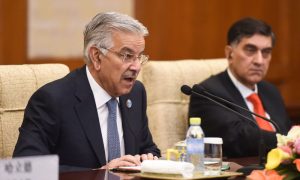
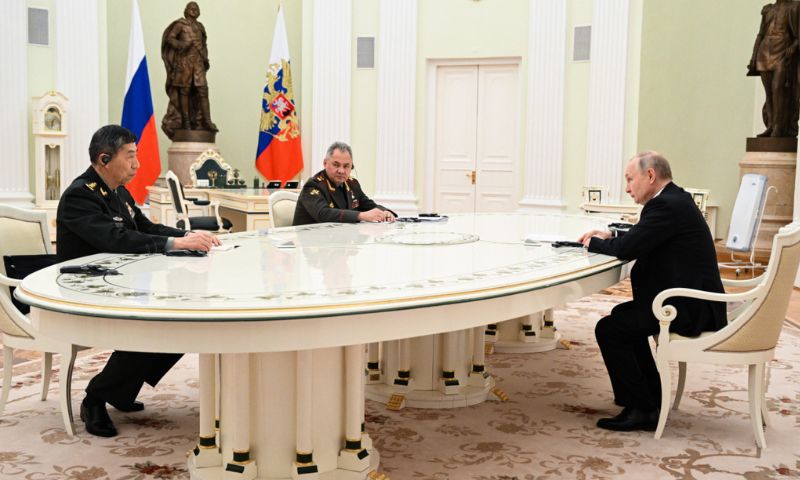
The statement came after a meeting between China’s Deputy Foreign Minister Ma Zhaoxu and Russian Deputy Foreign Minister Andrey Rudenko in Beijing. While the Russian release highlighted China’s support in handling the Wagner mutiny, China’s readout of the meeting stated that the two deputy foreign ministers had exchanged views on bilateral ties and discussed international and regional issues of common concern.
China Maintains Neutral Stance in Ukraine Conflict
China has maintained a neutral stance in the Ukraine conflict, asserting that it is not involved in the dispute. However, Western countries have criticized China for its reluctance to condemn Russia and its close strategic partnership with Moscow. Despite claiming neutrality, China’s expressed support for Russia’s efforts to stabilize the situation suggests a continuing alignment with its ally.
The Wagner mercenaries involved in the mutiny have agreed to return to their base after their leader accepted an amnesty deal. President Vladimir Putin was compelled to accept the agreement following the uprising. The incident has drawn attention to the Wagner group’s activities and raised concerns about the role of private military contractors in conflicts around the world.
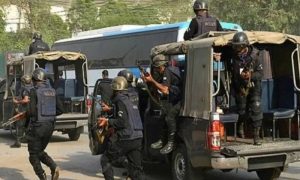
Despite the return of the Wagner fighters, security measures enacted under an “anti-terrorism operation” remained in place in Moscow on Sunday, and Prigozhin’s exact whereabouts remained unclear. He was last seen leaving Rostov-on-Don in an SUV, accompanied by trucks carrying armored vehicles and his followers. Reports suggest that Wagner forces had come as close as 400 kilometers to Moscow.