Key Points
- Deal transfers Wisk, Insitu and SkyGrid to Archer
- Archer expands into defence, logistics and air mobility
ISLAMABAD: Boeing has agreed to transfer three technology businesses, including its air-taxi venture Wisk Aero, to US electric-aircraft developer Archer Aviation.
In exchange, Boeing will acquire a 19.75 per cent stake in Archer, marking a strategic retreat by the aerospace giant from direct ownership of the emerging air-taxi business.
Under the agreement announced on Monday, Archer will acquire Wisk, the drone manufacturer Insitu and airspace-services provider SkyGrid.
Boeing will receive a seat on Archer’s board and retain access to Wisk’s autonomous-flight technology for its existing and future aircraft.
The transaction is expected to close by the end of 2026, subject to regulatory and other approvals.
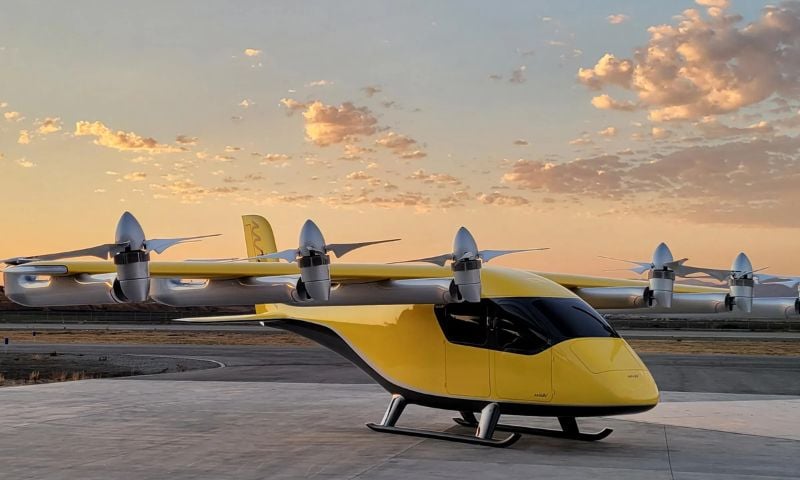
Wisk is developing electric vertical take-off and landing (eVTOL) aircraft designed to operate as autonomous air taxis.
Unlike conventional aircraft, eVTOL vehicles are designed to take off and land vertically, potentially allowing short-distance passenger services from urban areas without conventional runways.
The deal gives Archer control of technology and engineering capabilities Boeing accumulated in advanced air mobility.
Wisk has developed six generations of autonomous eVTOL aircraft, and it has conducted more than 1,700 flight tests, according to details.
Insitu will add a more established defence and unmanned-aircraft business to Archer’s portfolio.
The company manufactures uncrewed aircraft systems for intelligence, surveillance and other missions. The company generates more than $200 million in annual revenue from defence-related drone services, according to Reuters.
SkyGrid provides software for airspace management and is now focused on integration of autonomous aircraft into increasingly crowded skies.
For Archer, the acquisition provides a route beyond its still-developing passenger air-taxi market.
The company has been working on electric aircraft intended for short urban and regional flights.
However, the commercial deployment of eVTOL aircraft remains dependent on regulatory approvals, infrastructure and the development of viable operating networks.
The acquisition of Insitu could also give Archer an immediate source of established defence-related business, rather than relying solely on future passenger air-taxi revenues.
The combined businesses are expected to strengthen Archer’s capabilities in autonomy, defence, logistics and airspace management. Archer’s shares rose sharply following the announcement.
For Boeing, the transaction reflects an effort to concentrate resources on its core commercial aircraft and defence operations.
The company has been reducing or restructuring non-core activities, as it seeks to strengthen its main aerospace businesses.
Boeing’s decision does not amount to a complete withdrawal from autonomous aviation.
Through its stake in Archer and continued access to Wisk’s technology, it will retain exposure to developments in autonomous flight without carrying sole responsibility for bringing an air-taxi business to commercial scale.
The agreement also brings together two companies that were once rivals.
Wisk sued Archer in 2021 over alleged theft of trade secrets, but the companies settled their legal dispute in 2023 and subsequently began working together on autonomous-flight technology.
The transaction therefore represents more than a conventional divestment:
Boeing is shifting the financial and operational burden of developing air taxis to Archer, while maintaining a significant stake in a company positioned to compete in the emerging market.