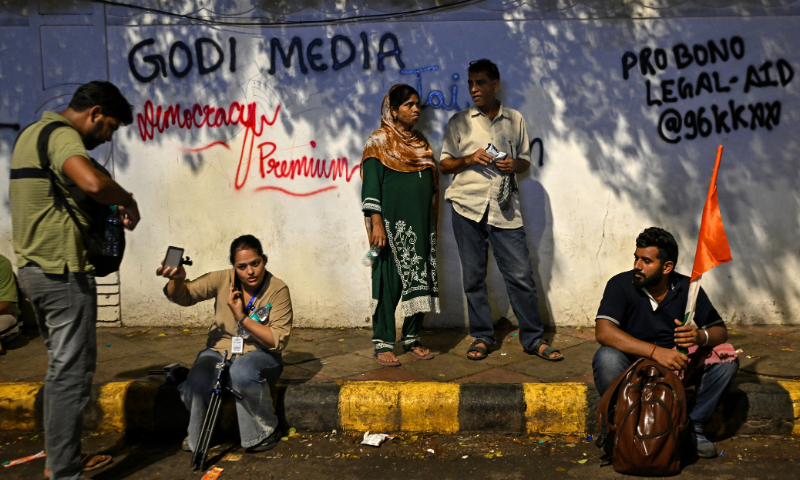
NEW DELHI: Prime Minister Narendra Modi’s government is facing sustained criticism from press freedom organisations, opposition parties and independent journalists over what they describe as growing influence over India’s media landscape since the Bharatiya Janata Party (BJP) came to power in 2014.
Media analysts say increasing corporate consolidation has reshaped India’s mainstream news industry, with several leading television networks and newspapers owned by business groups perceived to have close ties to the government.
Critics argue this has contributed to editorial coverage that is often favourable to the ruling BJP, prompting opponents to describe some broadcasters as “godi media” or “lapdog media”—a term used to suggest they have abandoned their watchdog role.
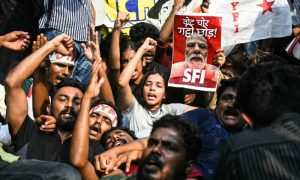
The growing perception that sections of India’s mainstream media have become mouthpieces for Prime Minister Narendra Modi’s government was reflected during last month’s youth-led protests, where television journalists came under attack from demonstrators, underscoring what media observers describe as a deepening crisis of public trust in legacy news organisations.
During demonstrations organised by the online Cockroach Janta Party movement, protesters carried placards describing television channels as “India’s worst enemies” and chanted slogans against what they called “godi media”, a term widely used by critics for broadcasters perceived to be closely aligned with the ruling Bharatiya Janata Party (BJP).
The hostility reflected mounting public frustration, particularly among young people, who increasingly rely on independent digital platforms and social media for news instead of traditional television networks.
Critics Blame Government Influence
Media analysts say the anger stems from a growing perception that major television networks have abandoned independent journalism in favour of supporting the government’s political narrative.
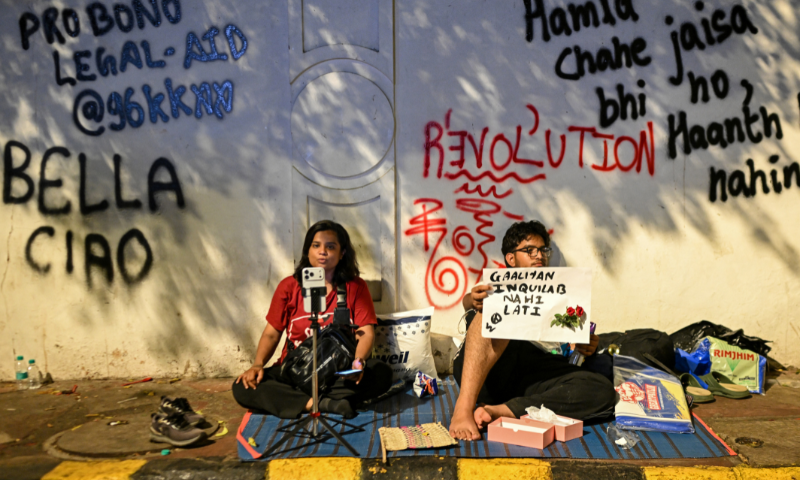
Veteran journalist Ravish Kumar told AFP that many Indians increasingly view “godi media” as serving the interests of the government rather than the public.
“They have destroyed their own credibility,” Kumar said, arguing that legitimate public grievances were often portrayed as conspiracies or anti-national activities.
According to critics, coverage of opposition parties, student movements and minority issues has increasingly reflected the government’s political messaging, further eroding confidence in mainstream broadcasters.
Press Freedom Concerns
Press freedom advocates have repeatedly expressed concern over the media environment in India since the BJP came to power in 2014.
Journalists critical of the government have faced criminal investigations, arrests, tax raids and sustained online harassment, while opposition leaders have accused several television networks of promoting the BJP’s agenda.
India currently ranks 157th out of 180 countries in the latest Reporters Without Borders World Press Freedom Index, reflecting concerns over media freedom and journalist safety.
Press freedom advocates have also questioned the government’s use of state advertising, arguing that official advertising budgets are disproportionately directed towards supportive media organisations while critical outlets face financial pressure. The government has rejected allegations that advertising is used to influence editorial policy.
Journalists and rights groups have further expressed concern over the use of police investigations, tax inquiries and legal proceedings against reporters and media organisations critical of the government.
Rise of Independent Media
Digital media has also come under increased regulatory oversight. Amendments to India’s Information Technology (IT) Rules have expanded the government’s authority to seek the removal of online content under certain circumstances.
The youth protests also highlighted the growing influence of independent digital news platforms.
Atul Chaurasia, managing editor of Newslaundry, argued that the financial dependence of many television networks on government advertising had weakened editorial independence.
“The government weaponises advertising, effectively destroying the environment that allows media organisations to operate freely,” he told AFP.
Independent digital news platforms and YouTube-based journalists have increasingly become important alternative sources of information, particularly for younger audiences.
However, several of these outlets say they have faced content takedowns, investigations or other regulatory actions, which they view as attempts to discourage critical reporting.
Media observers say the backlash against television journalists reflects broader public dissatisfaction with what many perceive as increasing government influence over sections of India’s mainstream media, contributing to a widening credibility gap between legacy broadcasters and independent news platforms.
Atul Chaurasia, managing editor of the Newslaundry digital platform, argued that traditional newsrooms relied on a “flawed financial model” that depended heavily on advertising revenue from the government.
“The government weaponises advertising, effectively destroying the environment that allows media organisations to operate freely,” he told AFP.
Kumar said it was important to distinguish between large TV networks and independent outlets that often face pressure from authorities.
“It is the alternative media and independent journalists who face hostility from the government,” he said. “They are subjected to raids, branded anti-national, or even imprisoned.”
The recent outburst of anger, Kumar argued, reflected a broader perception that some TV networks have become “a threat to democracy”.
“Godi” media outlets have “become a liability, even for Prime Minister Modi”, he said.