Key Points
- Government offices ordered to cut fuel and power use by 30%
- Early closure of malls and shops enforced nationwide
- New purchases of vehicles and equipment halted
- Decorative lighting banned to conserve energy
- Country seeking $2.5bn in external financing
DHAKA: Bangladesh has introduced a series of austerity measures aimed at managing a deepening energy crisis linked to ongoing global tensions and rising fuel costs.
The government has ordered a 30 per cent reduction in fuel and electricity use across all public offices, signalling a nationwide effort to conserve energy.
As part of the measures, authorities have also suspended certain staff training programmes and halted the procurement of new vehicles, ships and aircraft in an effort to curb public spending.
In addition, commercial activity is being scaled back. Shopping centres and retail outlets are now required to close earlier than usual, while government office hours have been shortened. Decorative lighting for public events and celebrations has also been banned to reduce unnecessary energy consumption.
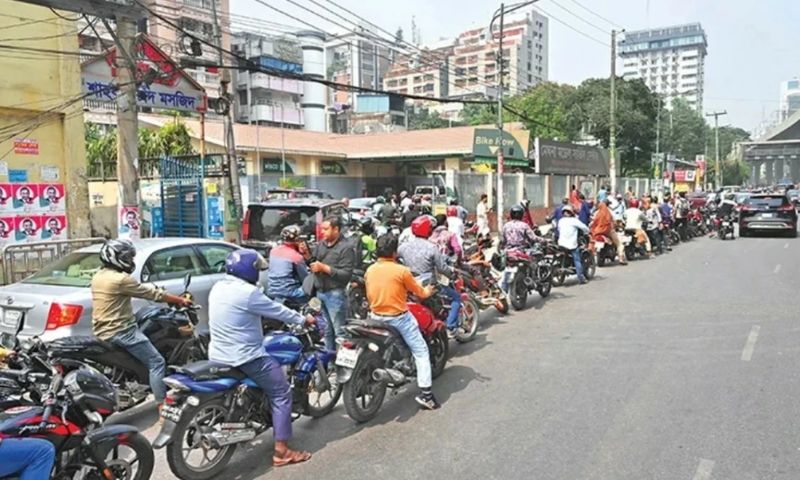
According to AP, the crisis has exposed Bangladesh’s heavy reliance on imported fuel, which accounts for around 95 per cent of its energy needs. With global prices rising and supply chains under pressure, the government is now seeking alternative energy sources to stabilise the situation.
Officials are also pursuing approximately $2.5 billion in external financing to secure essential fuel imports and ease the strain on the country’s economy.
The measures reflect growing concerns over energy security in the South Asian nation, home to more than 170 million people, as it navigates the wider economic fallout from geopolitical instability and disrupted global markets.